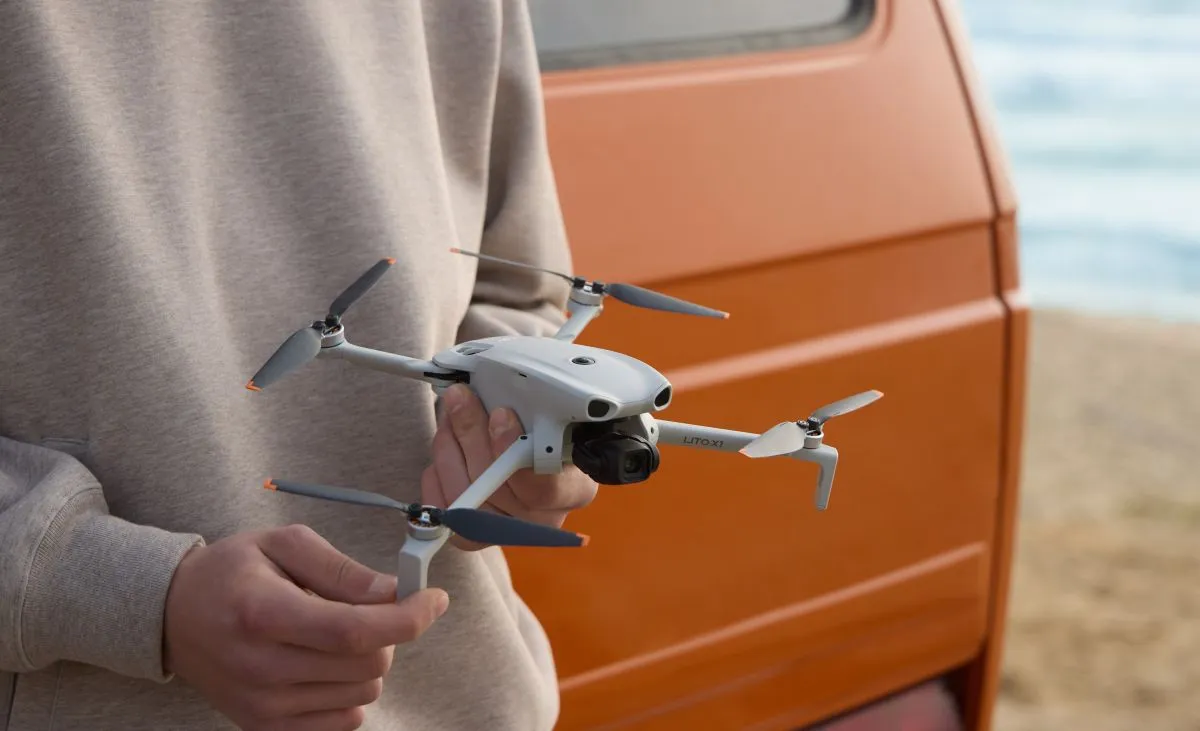
DJI has just unveiled a pair of budget drones that look tailored for first-time pilots and casual creators. Solid cameras, modern safety features and prices that land squarely in the “impulse upgrade” zone. The twist? US buyers are locked out – for now.
A budget setup that doesn’t feel cheap
The new Lito series presents two models: the entry level Lito 1 and the more advanced Lito X1. Both are designed to lower the barrier to entry without removing the features that actually matter.
The Lito 1 focuses on accessibility without feeling stripped down. It pairs a 48MP camera with a 1/2 inch sensor and supports 4K video capture, supported by omnidirectional obstacle detection and subject tracking. This combination puts it well above typical beginner drones that often sacrifice stability or image quality.
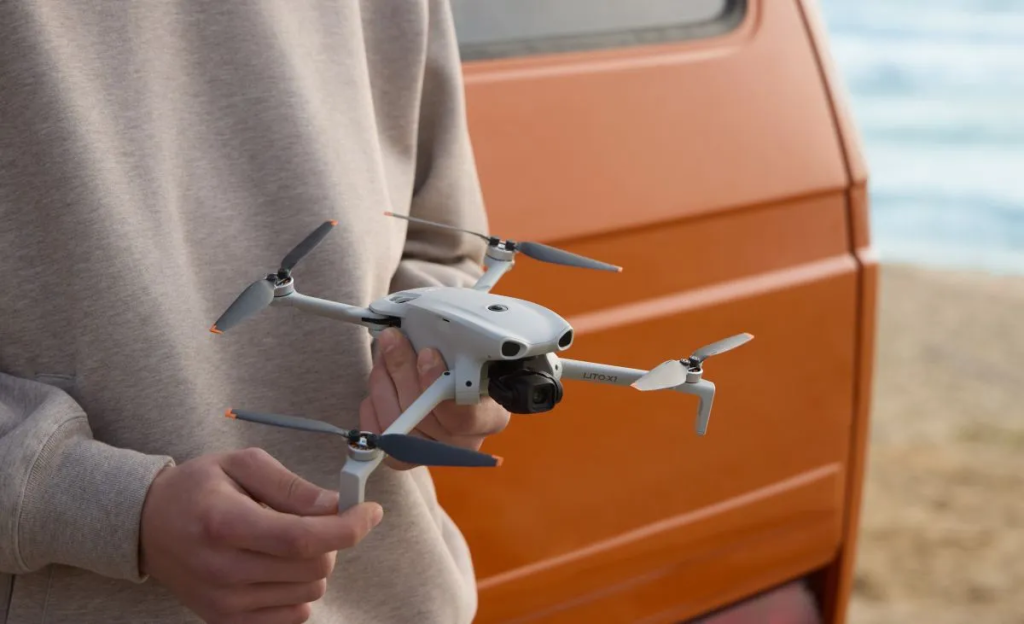
The Lito X1 pushes further into enthusiast territory. It upgrades to a larger 1/1.3-inch sensor with a wider aperture, enabling better low-light performance and improved dynamic range. Add HDR video, advanced color profiles for editing, and LiDAR-assisted sensing, and it starts to look less like a starter drone and more like a lightweight content creation tool.
Both models include fast wireless file transfers that reduce the friction between shooting and sharing – a small detail that makes a big difference in real-world use.
Why you can’t buy it in the US
The lack of a US launch isn’t about demand – it’s about regulation. DJI continues to face hurdles related to approval pathways from agencies such as the Federal Communications Commission, which oversee how wireless devices come to market.
Recent scrutiny surrounding Chinese drone manufacturers has slowed or complicated approvals, creating a bottleneck for new releases. Outlets like The Verge and TechCrunch have tracked how these regulatory pressures are reshaping the drone market, especially in the United States
The result: new DJI hardware is being launched worldwide while American consumers wait – or miss out entirely.
Prices that hit the sweet spot
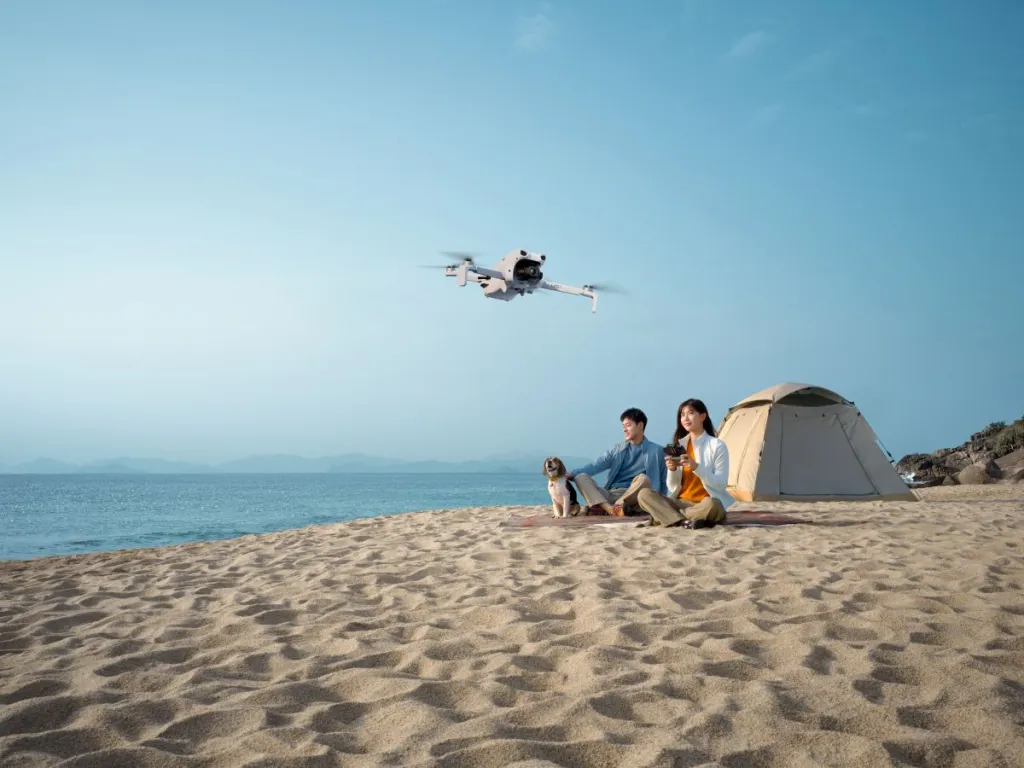
In Europe, the Lito models land directly in the range where drones tend to move quickly. Convert those prices to typical US positioning, and you’re looking at around $350 to $600 depending on configuration.
That is a critical segment. It is where beginners graduate from toy drones and where hobbyists begin to take aerial photography more seriously. It’s also where DJI has historically dominated, making the absence of these models in the US particularly noticeable.
What is worth buying now instead?
If you want to shop in the US, the reality is simple: you choose from what is already approved – and right now that comes with a silver lining.
Models like the DJI Mini 3 and DJI Mini 4K are seeing prices drop, making them more competitive than ever. These drones still deliver reliable flight performance, strong image quality and user-friendly controls, even if they are not the latest releases.
For casual users, that might actually be the smarter play — proven hardware at a discount rather than waiting indefinitely for something new.
A Shift in How Drone Releases Work
For years, DJI followed a predictable pattern: global launch first, US availability soon after. That playbook is starting to break.
The Lito series is a clear example of how regulatory friction is reshaping product availability. It also forces buyers to rethink timing. Waiting for the “next model” no longer guarantees access – especially in a market where approvals are not given.
So the real question isn’t just whether these drones are worth buying — it’s whether they’ll even land in the United States.