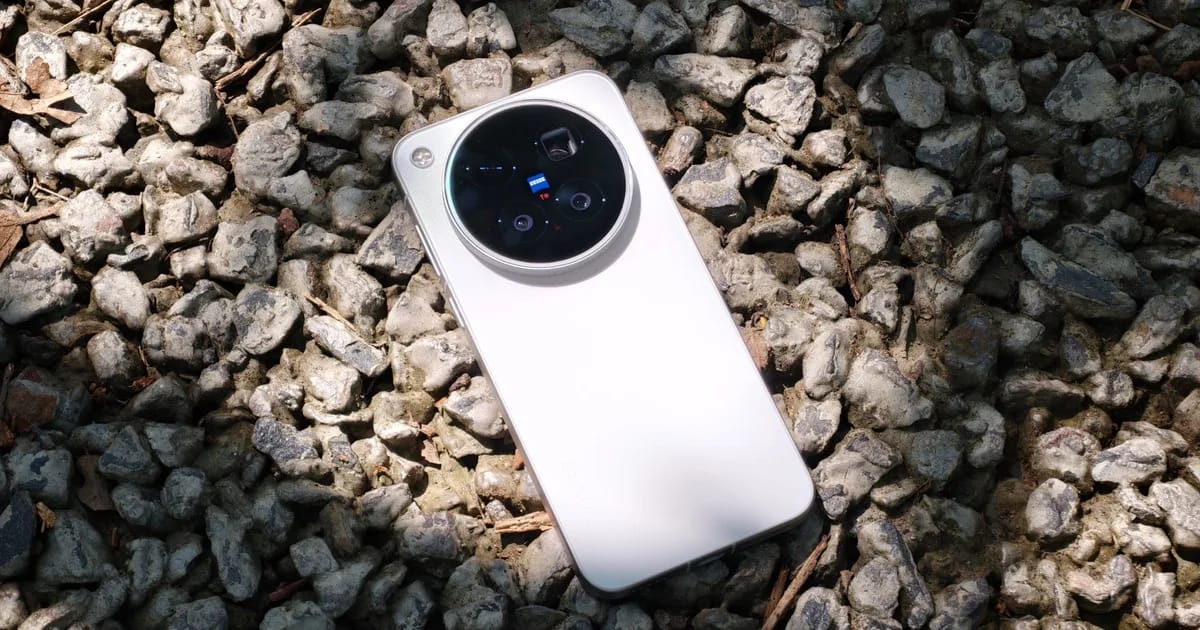
Smartphone cameras have reached a point where the spec sheet rarely tells the whole story. You can read about megapixel counts and sensor sizes all day, but until you get a device in the hands of someone who actually shoots, it’s hard to gauge what those numbers mean in real-world use.
To test out the Vivo X500 Pro Max’s improved video capabilities, which the company focused heavily on during its launch in China earlier this month, I handed it over to a professional content creator and videographer. He already relies on the Vivo X300 Pro as his primary phone for filming reels and B-roll. In fact, he prefers it over his iPhone 17 Pro, a staple on our list of the best camera phones and widely considered the gold standard for mobile filmmaking. That made him the ideal candidate to see if the new flagship makes a meaningful leap forward.
It only took a few shots for him to win, and a trio of improvements sealed the deal.
Shadow detail and dynamic range that feel like a cinema camera
The first thing he noticed was a massive leap in how the main camera handles complex lighting scenarios. Midday sunlight is notoriously unforgiving, forcing smartphone cameras to choose between blown-out highlights and crushed shadows. The X500 Pro Max handled the scenario surprisingly well, surpassing its predecessor in terms of highlights, shadows and color reproduction.
This contrast becomes apparent when you look at the following side-by-side comparison shot in Log in Pro mode with identical settings on both phones. On the left, the X300 Pro battles the sky, blowing out the cloud definition in the upper right corner. On the right, the X500 Pro Max retains the subtle textures in the same bright clouds.
The difference boils down to the updated sensor in the newer model. The main camera on the X500 Pro Max incorporates a LOFIC sensor capable of delivering up to 17 stops of dynamic range. By capturing significantly more highlight data at the hardware level, it prevents bright areas from blowing out to pure white.
The shadows at the bottom of the frame tell a similar story. To keep dark areas from losing detail, smartphones often increase shadow levels. Therefore, the base of the frame on the X300 Pro looks noticeably lighter. It sacrifices contrast just to keep things visible. Thanks to the X500 Pro Max’s higher dynamic range, the same area offers more contrast without losing detail.
Color accuracy sees a welcome jump as well. The leaves on the X300 Pro get a yellow tint, while the X500 Pro Max makes the leaves look more natural green. This is likely a result of how the phones handle white balance in difficult lighting, with the newer model avoiding the artificial warm tint its predecessor added to the scene.
The phone’s telephoto stabilization and autofocus were just as impressive. As shown in the clip above, shot handheld in the phone’s standard video mode with the 400mm teleconverter, the footage remains remarkably steady while keeping the bird in focus.
Real-time monitoring gets a major upgrade with custom LUT support
Color grading is essential for serious video creators, as it helps them define the look and feel of their work. But the catch with shooting log footage on a smartphone is that you’re usually looking at a flat, washed-out image on your screen while recording, making it difficult to judge lighting and mood on the fly.
Vivo already offers a solution on the X300 Pro with a feature that allows you to preview footage with two built-in presets. However, the device doesn’t let you import your preferred LUTs, at least on the global version, so you’re locked into these default options. The X500 Pro Max fixes that with a special custom LUT import option.
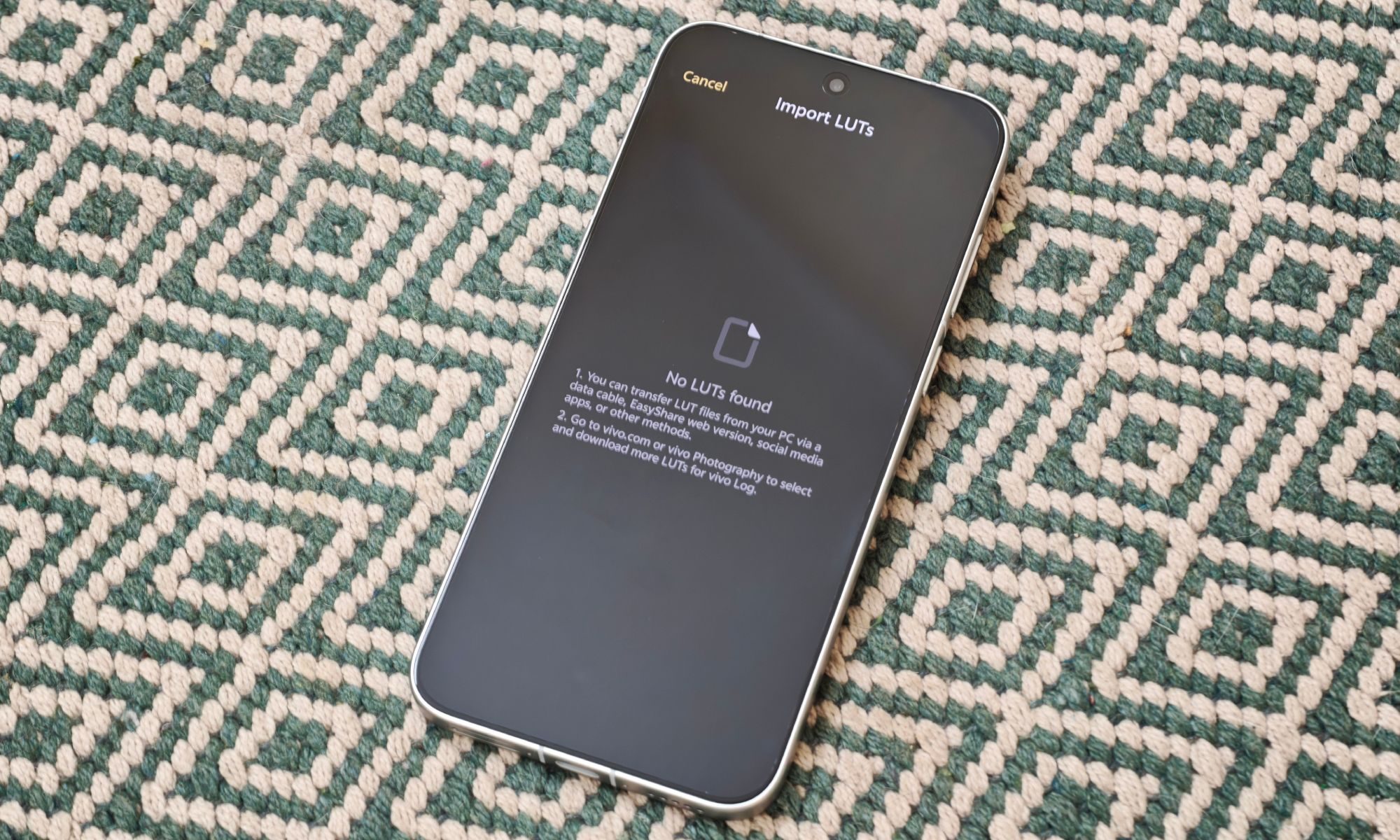
My friend appreciated the ability to load his go-to color profile onto the device, as it allowed him to monitor the footage with his signature look in real time. Importing LUTs is pretty easy, with plenty of options baked in to transfer LUT files from a PC, social media apps, and other sources. You can also download more LUTs from the Vivo website.
By default, this feature only applies the LUT to the preview and keeps the flat log file for post-production editing. However, there is an option to bake the look into the final video file, which can save hours of color grading for quick social posts.
Cinematic slow motion with 4K at 240fps support
Extremely high-frame-rate recording is another area where smartphone cameras usually hit a wall. In most cases, pushing higher frame rates forces you to drop down to 1080p, leaving you with soft, noisy footage that looks out of place next to 4K clips. The X500 Pro Max addresses this by adding native 4K recording at 240fps on the primary camera. This lets you slow and fast-moving action down to an 8x quarter-speed playback while keeping the image crisp and detailed enough to fit seamlessly into a high-resolution timeline.
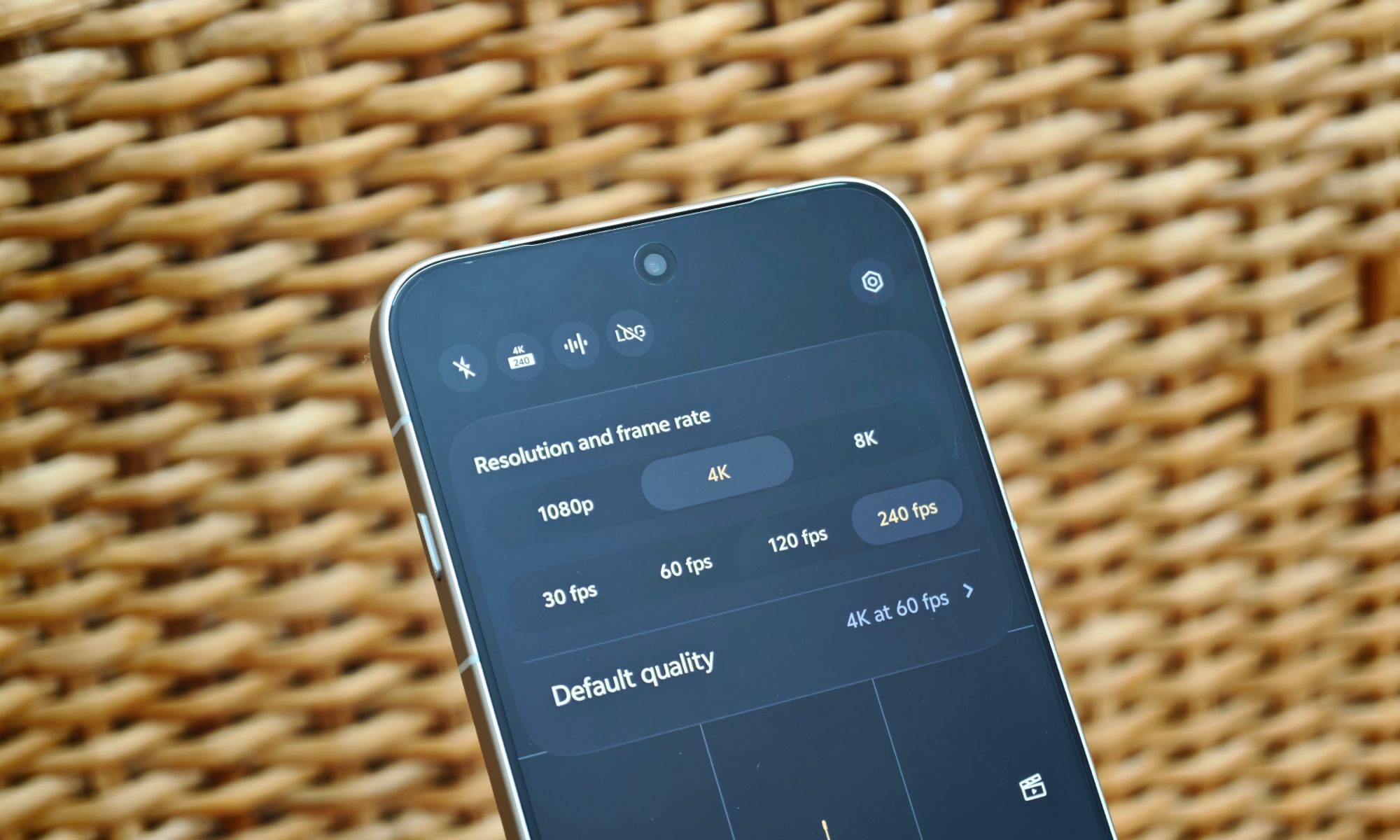
What makes this feature practical rather than a gimmick is how well the sensor handles detail without starving for light. Shooting at 240 frames per second requires a fast shutter speed, which often introduces heavy grain on small sensors. The X500 Pro Max captures enough clean data to keep textures sharp and clear, making high-resolution slow motion a viable tool for quick creative cuts.
Where the X500 Pro Max still falls short
No flagship is without its quirks, and my friend was quick to point out some of the things he didn’t like about Vivo’s latest. His most immediate frustration was the camera interface, which seemed packed with too many features and small buttons that weren’t easy to hit when you needed to make quick and precise adjustments. It’s a criticism I heard from several other reviewers on my Vivo press trip as well.
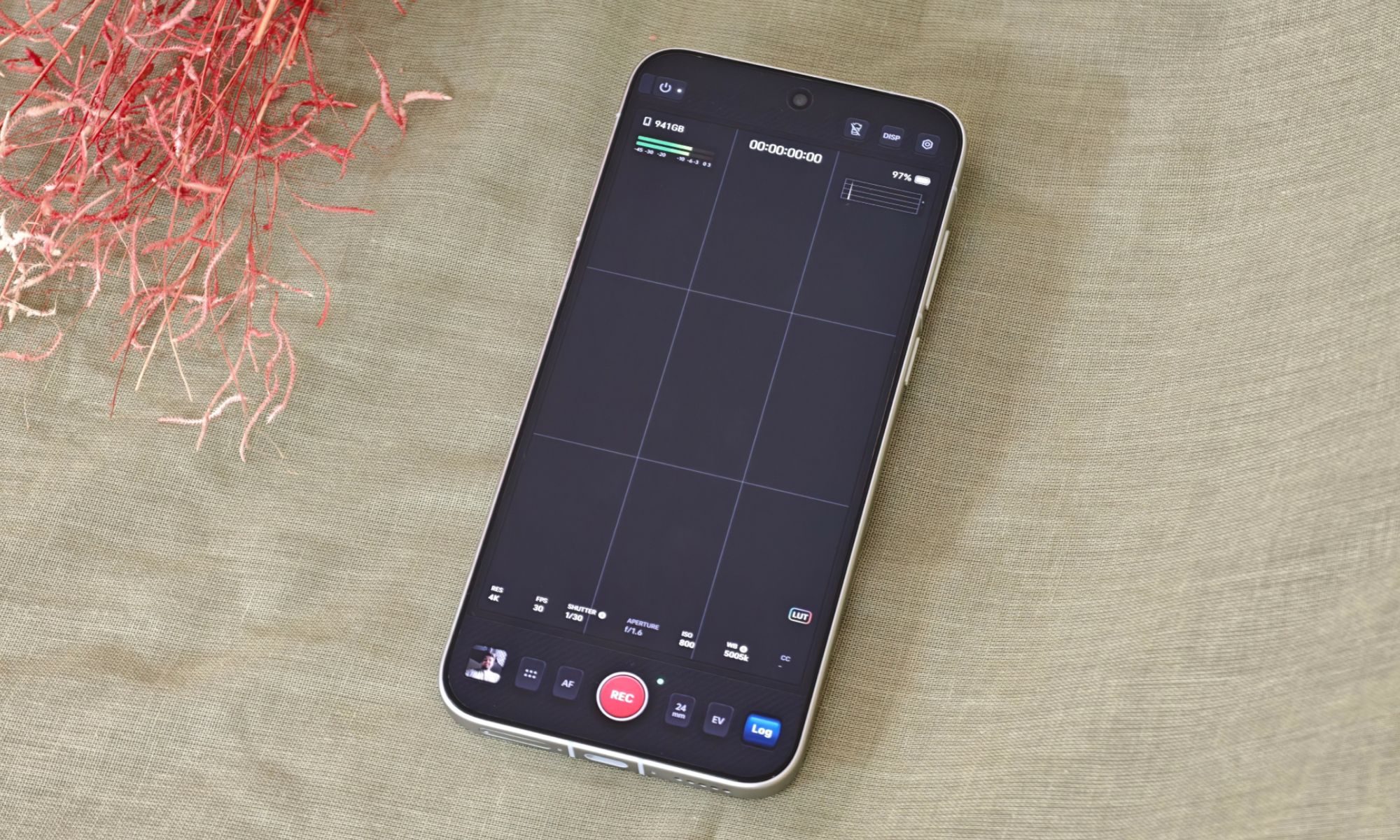
He also noted a key limitation compared to the latest iPhones. Unlike the iPhone 18 Pro and 17 Pro, the X500 Pro Max lacks Open Gate recording support. He missed that he could capture the entire aspect ratio of the sensor, which gives him the flexibility to format a single video shoot for both vertical and horizontal platforms without quality loss.
Then there is the price. While Vivo has yet to announce international pricing, the launch figures in China mark a steep jump. The X300 Pro will launch in China at a starting price of CNY 5,299 (~$790). The X500 Pro Max pushes the entry barrier up to CNY 6,999 (~$1,045) for the base 12GB + 256GB model, with higher configurations stretching up to CNY 8,999. This 1,700 yuan price increase puts the phone squarely against ultra-tier rivals competing for a spot among the best phones on the market, making it a tougher pill to swallow.
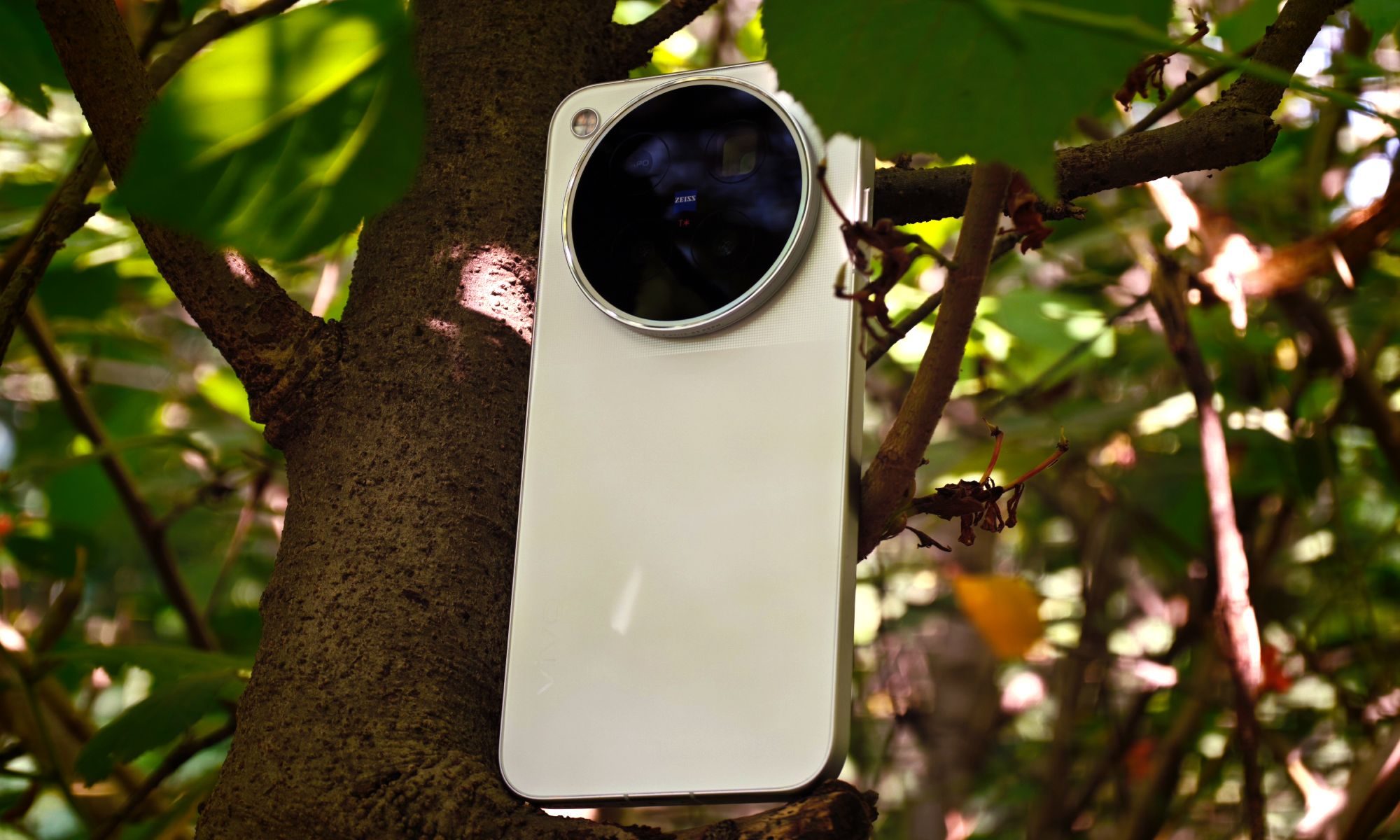
Despite those few hiccups, the X500 Pro Max made a lasting impression on someone who relies on smartphone cameras for video production every day. By focusing on hardware improvements like the LOFIC sensor and workflow features like custom LUTs, Vivo has built a phone that feels truly tuned for video creators. For anyone looking to produce professional-looking content on a smartphone, it sets a high bar for what mobile filmmaking can look like.