 Skip to content
In National Children’s Month, the national director of an emergency hotline operator shares how to prepare children to seek help
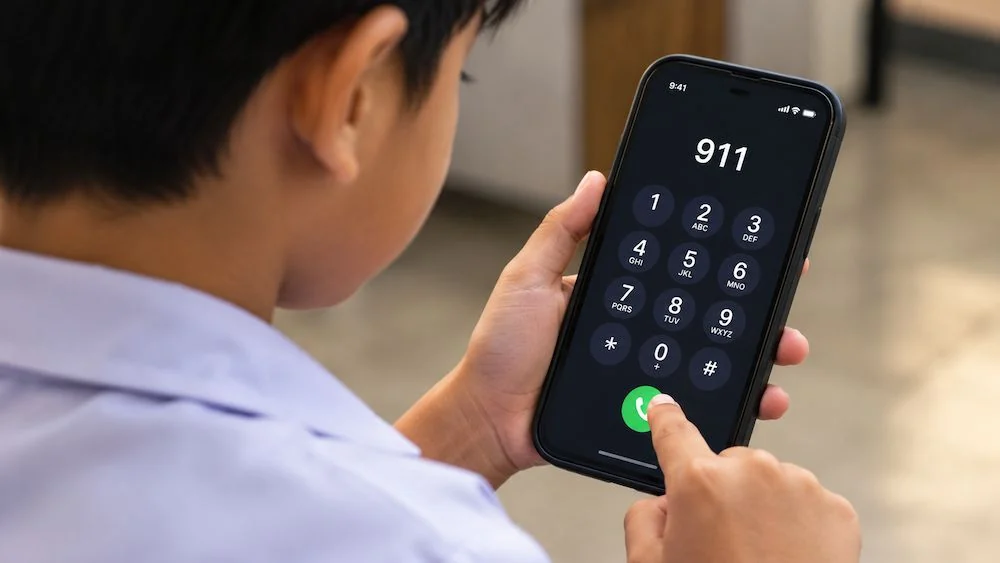
Children can play a key role in reporting emergencies to the unified 911 program, whether the emergency involves them or others, such as parents and roommates. Recent incidents of violence in schools across the country have made it even more important that children know how to get help.
Children must learn how to call the Philippines’ unified emergency hotline (911) to receive quick assistance in the event of fires, medical emergencies, crimes, severe weather and attacks at schools or elsewhere, said Robert Llaguno, head of the Philippines’ Next Generation Advanced 911 (NGA 911) company, which is responsible for the technology that runs the country’s emergency response system.
Children must not feel powerless when faced with abuse, bullies, violent classmates or intruders who threaten their safety, Laguno said. He welcomed the collaboration between the Department of the Interior and Local Government (DILG) and the Child Welfare Council (CWC) to protect children and reassure them that help is on the way.
“No child should fear for his or her safety in school. Recent tragedies require not only our compassion but also our collective action. Protecting children is our shared responsibility, and we must act decisively to ensure that every school remains a place of learning, safety, dignity and hope,” the CWC said in a policy statement.
Why kids should call 911
“It’s Children’s Month, and NGA 911 encourages parents and teachers to teach their children how to call 911 and how to report an emergency so they can get help quickly,” Laguno said.
“Children should be reminded that calling 911 is the right thing to do, rather than filming a video of the incident and posting it on social media first in the hope that it goes viral. This way they can save a life and solve the problem quickly because unified 911 will arrive within minutes.”
Laguno explained that in a crisis where seconds count, children may be the only ones who can turn to for help.
Know the real emergency
Laguno warns that children must also know how to distinguish between a real emergency and a fake one.
“Fire or smoke, an unconscious roommate, a serious car accident, or immediate danger from a person armed with a deadly weapon are all emergencies. Minor scrapes, lost toys, injured pets, power outages, and pranks are not emergencies.”
How to prepare your children
Adults can prepare children to ask for help through careful guidance and regular practice, Laguno said.
“When you teach children what number to dial, say nine-one-one, not nine-one. Some children may look for the ’11’ button and it’s not there. Parents must demonstrate how to dial on a toy phone, home phone, or smartphone.”
Children should remember:
- their parents’ names
- Their full home address, including apartment or unit number and floor
- nearby landmarks
Laguno said the children should be reassured that the person who answered the phone was a friend who would ask what happened and where they were. They must speak clearly, follow the call responder’s instructions, and stay on the call until told to hang up.
Practicing emergencies can turn your child’s fears into confidence and make them feel like superheroes. Knowing they can help and make a difference may also make them feel proud of being “little adults” making their own contribution to their families and communities, he concluded.