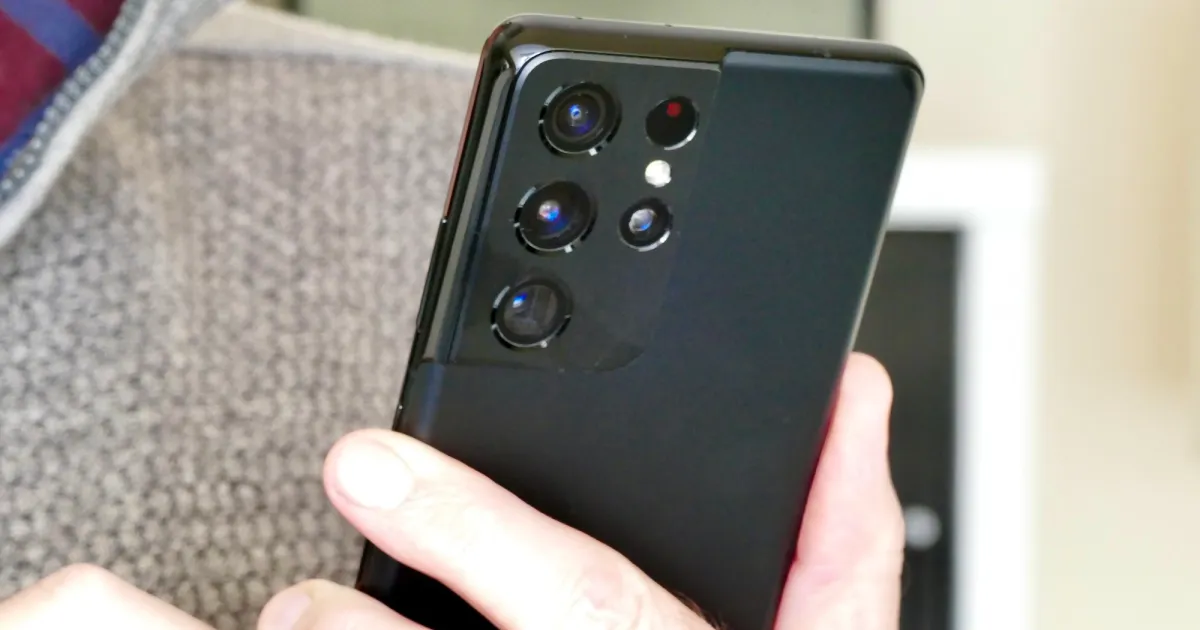
Samsung’s scandal over its Game Optimizing Service, or GOS, is linked back to a bill. South Korea’s Fair Trade Commission fined the company a tentative 20.1 billion won, or about $15.1 million, over gaming claims for the Galaxy S21, Galaxy S22 and Tab S8.
The regulator says Samsung promoted the devices as gaming powerhouses without disclosing that GOS set preset CPU and GPU limits on certain demanding games. Samsung disputes this conclusion, calling GOS a legitimate way to manage heat.
What GOS actually did
Phones routinely slow down when they get hot. The FTC says that GOS went further by applying preset ceilings as soon as certain games launched, regardless of the temperature of the device. Some limits have reportedly set maximum clock speeds to around 30% of what the hardware could achieve.
The controversy exploded in 2022 after users found about 10,000 app identifiers within GOS, although the inclusion did not prove that every app had been stopped. Popular benchmark tools appear exempt. Geekbench produced sharply lower scores when disguised as an ordinary app, then responded by dropping four generations of Galaxy S phones.
Samsung later introduced a performance-priority mode that relaxed the limits and returned some control to the owners.
Why didn’t the lawsuits end it
The scandal produced eight lawsuits in South Korea, the United States and Israel. None ended with a verdict awarding damages to consumers, which Samsung presents as evidence that the dispute has already been resolved.
The Korean case was less clean than an easy victory. A court of appeals found that some advertisements misled buyers into expecting unlimited top speed. It dismissed the claims because the consumers did not prove personal losses or show that each plaintiff used an affected game. The appeal later ended in court-ordered mediation.
Those cases asked whether specific buyers could prove damages. The FTC has been investigating whether Samsung’s marketing could distort purchasing decisions. That distinction reignited controversy four years later.
What Samsung now argues
Samsung says GOS balances heat with sustained gaming speed, a problem every phone manufacturer faces. It argues that the FTC treated preset clock caps as evidence of a worse experience without showing their effect on actual frame rates.
The company also cited the closed trials and lack of similar punishments abroad. The penalty remains tentative and does not create refunds for Galaxy owners. Samsung plans to challenge the decision, leaving a court to decide whether it should disclose that some players could not reach the advertised maximum.