Earlier this year, the FCC imposed a ban on future foreign consumer routers. This effectively prevented any affected routers from being sold in the US. However, the agency created exceptions if manufacturers could convince the US government that they were not a security threat and submit a time-bound plan detailing how they would establish or expand manufacturing in the US. ASUS received conditional approval on September 9, but it won’t say exactly how it will escape the US router ban.
ASUS’ US router ban exemption comes with unanswered questions
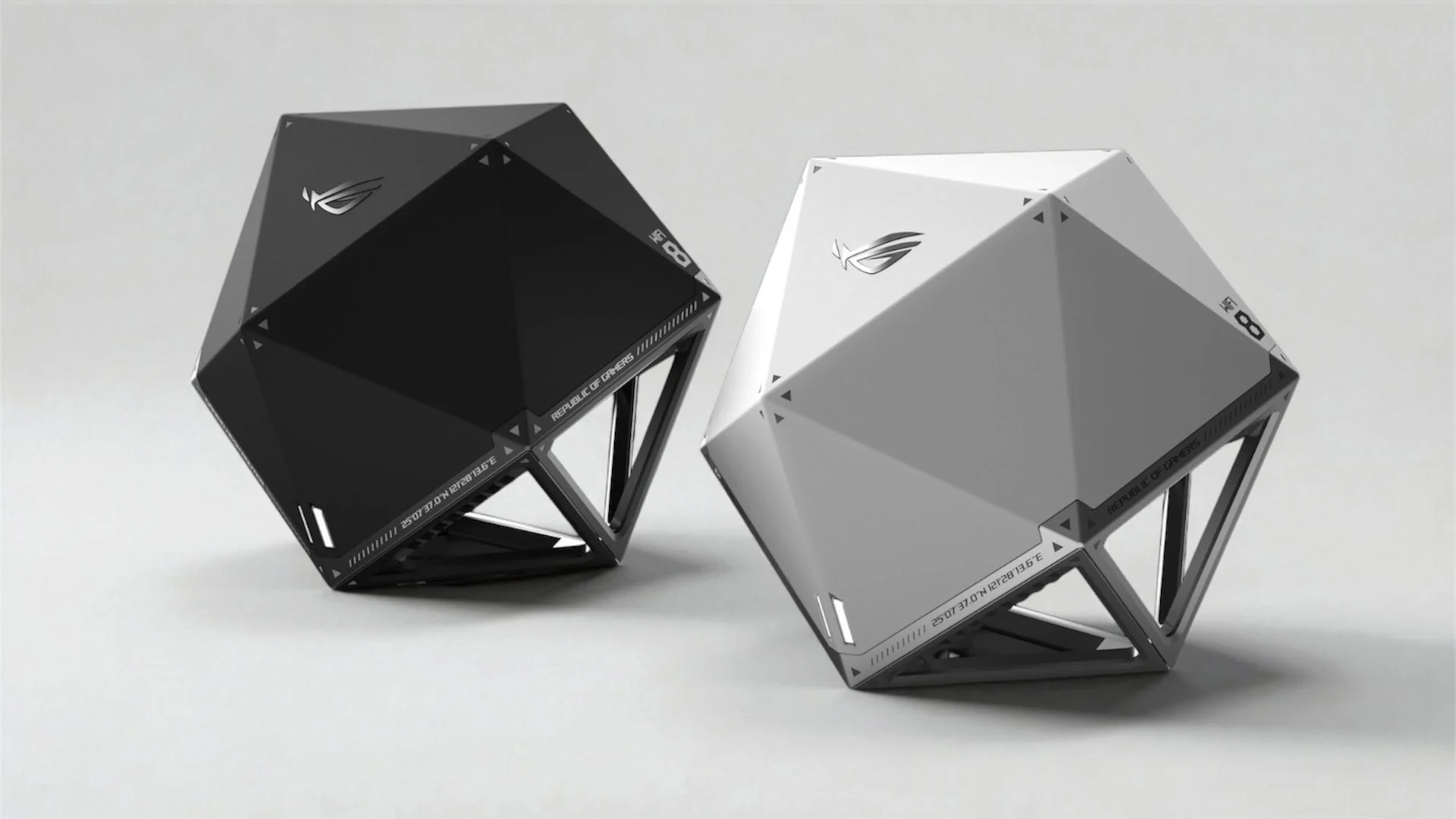
For what it’s worth, the FCC does not require users to replace the routers they already own. ASUS has already confirmed this for its existing users. With the conditional approval, new covered products can remain in the US until at least March 6, 2028. This comes as the company is ramping up to bring its first Wi-Fi 8 router to the states. But what we don’t know is what ASUS promised in return.
The company has not publicly disclosed a plan to manufacture routers in the United States. According to The VergeASUS has not confirmed whether it has presented such a US manufacturing plan. Initially, however, company spokesman JJ Guerrero said that ASUS has submitted the required plan to the FCC and is working with trusted manufacturing partners to support its US network portfolio. But its content and verification status remain unclear in the publicly available record.
The conditional approval is valid until March 2028
The Verge reported that when repeatedly asked if ASUS presented a plan to manufacture equipment in the United States or simply sell equipment there, the company did not clarify. Approval covers RT, ROG, GT ROG, ROG Strix GS, TUF Gaming, ExpertWiFi, ZenWiFi, 5G MiFi, repeaters, and access point lines. The approval also applies to future products, rather than being limited to specific models that have already been reviewed.
At this point, The Verge notes that the exemption process does not include a single question about safety or publicly available model-specific safety test results. In fact, the FCC does not appear to conduct detailed safety testing of individual products as part of the exemption process. This raises questions about how safety factors are involved in the approval process.
That said, there is no evidence that ASUS products are unsafe or that its exemption was wrongly granted. It’s just that the public record lacks details about the evidence. There is no mention of security commitments and verification steps that led to ASUS getting the approval.
The FCC has not publicly explained why it gave ASUS and Netgear, which received a similar exemption in April, blanket exemptions from the US router ban. It didn’t answer The Verge Request for a comment. A possible explanation is that both companies manufacture their routers in countries that are US allies. But the FCC has not confirmed this.
Both companies also use these exceptions as marketing tools. Netgear has described itself as a “trusted consumer router company”. Meanwhile, Asus claims it has passed a rigorous cybersecurity review and is a “Trusted Networking Equipment Brand.” However, these labels appear to be the companies’ descriptions rather than official federal certifications.