
Navigating smart home tech can feel like swiping through dating apps — lots of great profiles, but lots of ghosts when it’s time to actually connect. Anyone who has struggled with app permissions or seen a supposedly “smart” light bulb with the simplest command knows the drill. This list cuts through the marketing hype to discover what actually works, showing innovations that deliver on their potential and others that fall short. Discover which devices really integrate into your life, making your home smarter without the usual headaches.
This content may contain affiliate links. If you want to support us and use these links to buy something, we may earn a commission.
10. SwitchBot E-Ink Home Dashboard
A permanently updated notice board that finally justifies the “smart” in the smart home.
The SwitchBot E-Ink Home Dashboard runs for 1.5 months on a single charge, endurance rarely seen in always-on shows. This 7.5 inches The E-Ink screen acts like a digital command center, displaying weather, calendars and Home Assistant data at a glance. No phone required – just look up. Scene execution buttons trigger SwitchBot automations instantly, whether that’s turning on the TV or closing the curtains. The dashboard centralizes essential information and controls without constant digital drain, making those morning coffee routines really smoother.
9. SwitchBot AI Spirit Clip
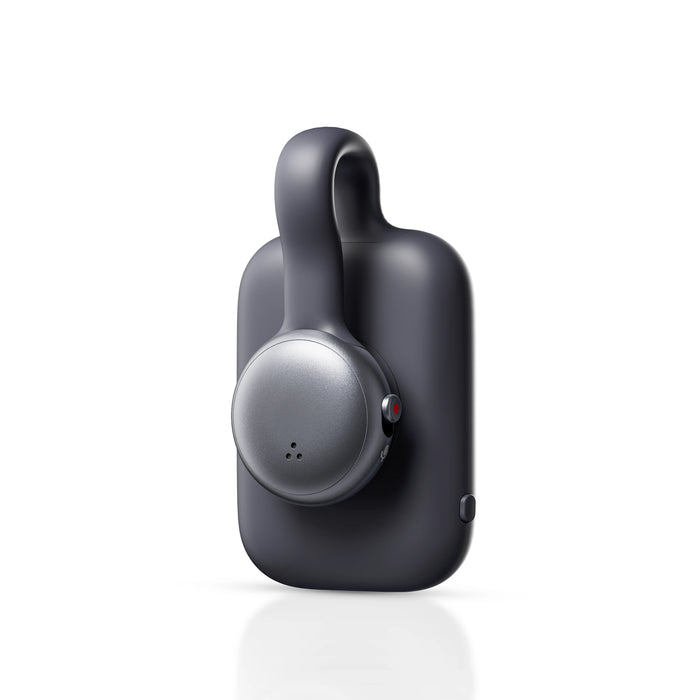
Capture conversations before they fade into the void of forgotten ideas.
The SwitchBot AI Mind Clip offers a wearable solution to preserve the fleeting thoughts and dynamic discussions. Its small design and local onboard storage store crucial details without distraction, while a recording indicator confirms that everything has been captured. Once synced with its companion app, Clip offers AI-powered transcription, intelligent summary and key highlights. Speaker identification turns brainstorming sessions into actionable to-dos or calendar entries, although these premium AI features depend on paid subscription services – and processing happens in the cloud rather than directly.
8. ENTER NASync DXP4800 GT
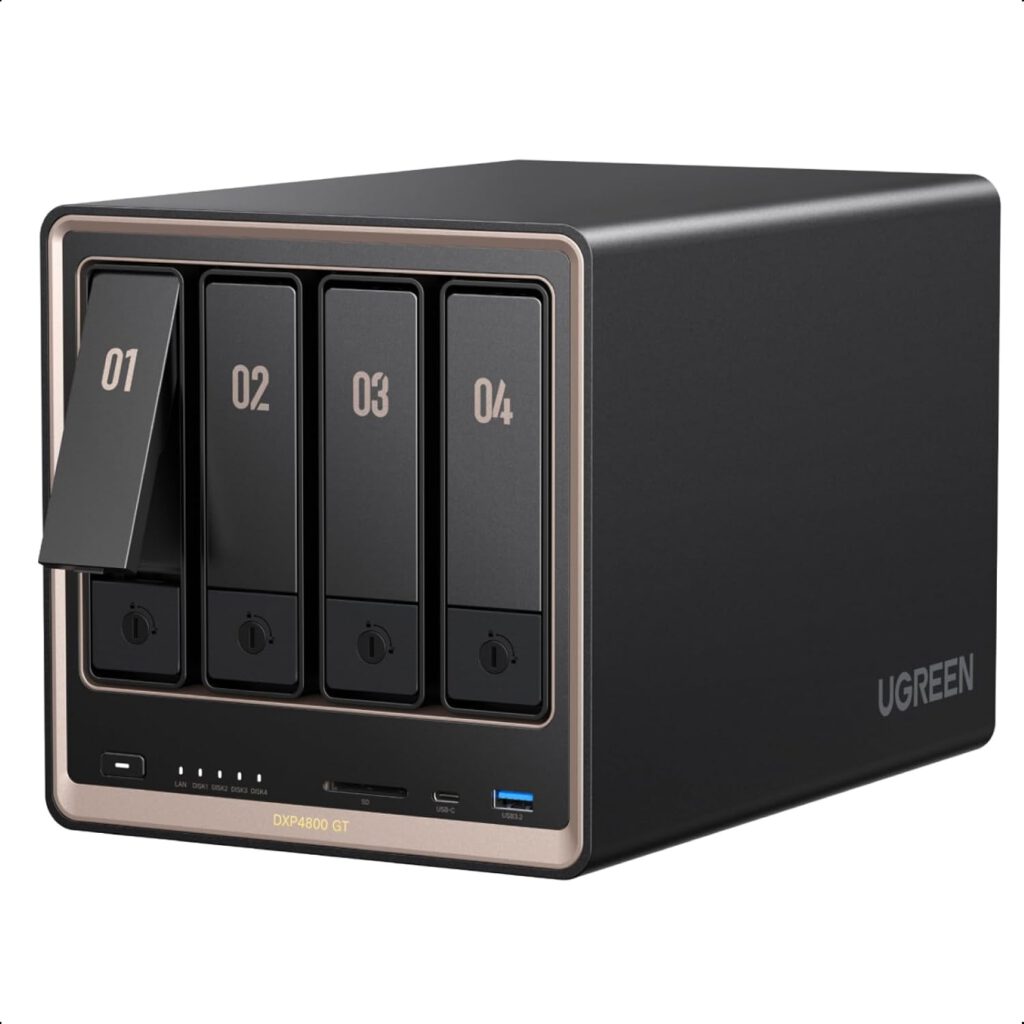
Workstation-level computing power tucked away in your closet, minus the RGB flair.
The UGREEN NASync DXP4800 GT brings serious processing muscle to home networks with its AMD Ryzen Embedded R2514 processor (four cores, eight threads). This network-attached storage device has features 8 mbg DDR4 memory, expandable to 64GBensures smooth operation under heavy load. Dual 10 GbE Network ports offer lightning-fast data transfers four SATA drive bays two M.2 NVMe slots, support up to 144 TB (a of matter combined storage. RAID modes include 0, 1, 5, 6 and 10 for various redundancy needs.
In addition to storage, this NAS works as a smart home central nervous system. Host Docker containers, run Home Assistant, or manage surveillance applications through the 4K HDMI output and SD 3.0 Card Reader. Stream your entire media library without buffering interruptions. At about $660the investment rewards those planning to expand their smart home infrastructure. Upgrading RAM becomes increasingly valuable as automation complexity grows.
7. Third reality smart presence sensor R3
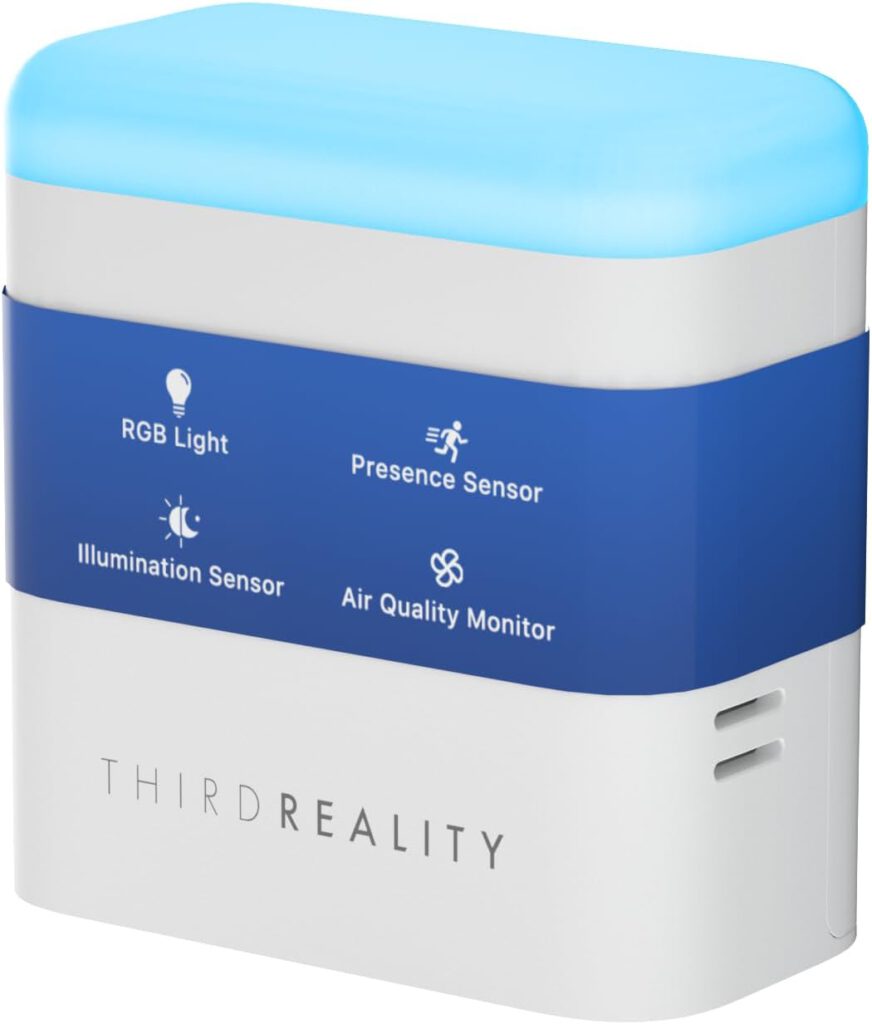
Multi-sensor awareness that prevents automations from leaving you in the dark.
The Third Reality Smart Presence Sensor R3 consolidates multiple detection capabilities into one Zigbee-connected unit. Used 60 ghz Millimeter-wave technology, it even registers subtle movements such as breathing – finally the problem of sitting in the dark. The sensor doubles as a Zigbee repeater, boosting network reach. Ambient-light sensing enables dynamic lighting adjustments, while TVOC air quality monitoring can trigger ventilation before cooking fumes set off smoke detectors. An integrated RGB light serves as a status indicator or subtle night light. USB-C powered and compatible with Home Assistant and SmartThings, this device provides significant multifunctional value for presence detection over traditional motion sensors.
6. Google Home Speaker
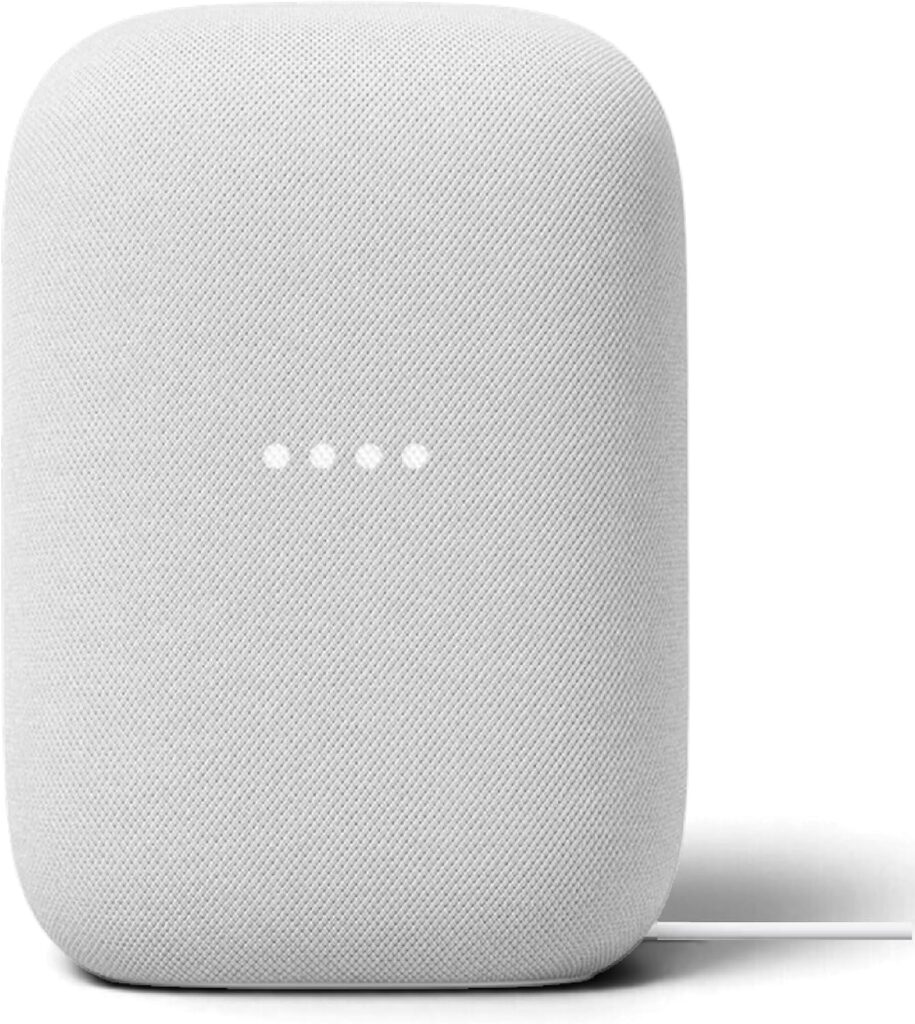
Impressive conversation, frustrating commands – like a taxi in a rain shower.
Google’s latest compact smart speaker features recycled fabric, physical volume controls and a privacy-focused microphone switch. Gemini integration enables further conversations involving complex weather queries and current events with remarkable fluidity. But smart home control feels laggy, with cloud-dependent response delays that make simple Lutron commands feel like waiting for the Internet to dial up. Premium Gemini features hide behind a subscription after the initial trial period. For basic smart home tasks, older Google speakers often deliver comparable performance without the extra cost or digital speed bumps that plague this release.
5. Govee Outdoor Pathway Lights
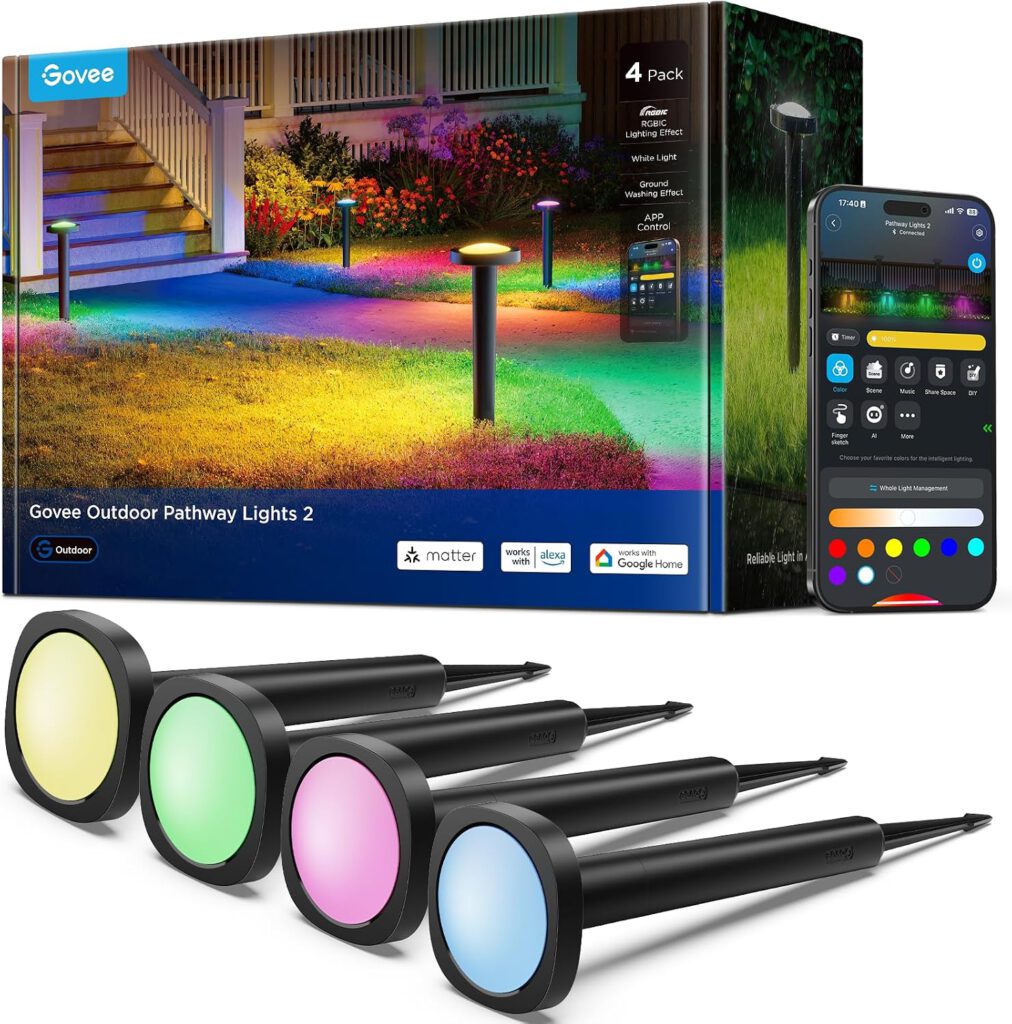
Transform yards into dynamic canvases with 16 million colors at your command.
In the 8 light Govee Outdoor Pathway Light Kit fundamentally defines outdoor ambiance. RGBW LEDs deliver millions of colors with adjustable color temperatures and individual light control. Music synchronization transforms ways into private concerts during holiday festivities, while AI-generated lighting effects create complicated displays without manual programming headaches. The lights support Wi-Fi, Bluetooth, and Matter for flexible integration, though Matter only exposes basic controls compared to the full Govee app. Along with 3 photos of cable between each light, extensive layouts may require additional planning – but the creative possibilities remain impressive for seasonal effects and everyday path lighting.
4. Aeotec MultiSensor 8
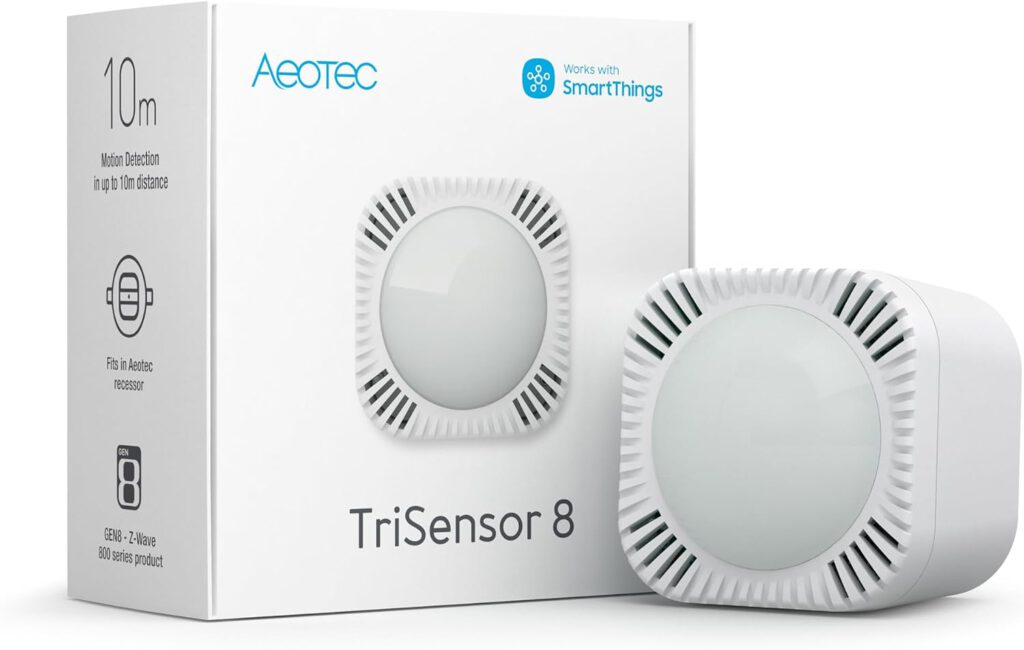
A weather station for your living room, minus the small talk.
These Z-Wave 800-series multi-sensor packs six multiple functions in one compact device: motion, tamper, temperature, humidity, dew point, and exposure sensor. Supports Z-Wave Long Range, extends the network for larger homes. Power options included two CR123 batteries or permanent USB connection for placement flexibility. Motion detection covers specified areas up to 12 meters with a wide field of view, although practical performance varies by placement. Configurable reporting intervals enable real-time data or energy saving plans. High humidity and dew point readings highlight moisture risks before mold becomes a problem. The sensor requires a compatible Z-Wave hub and lacks native Matter or Thread support.
3. Aeotec siren 8
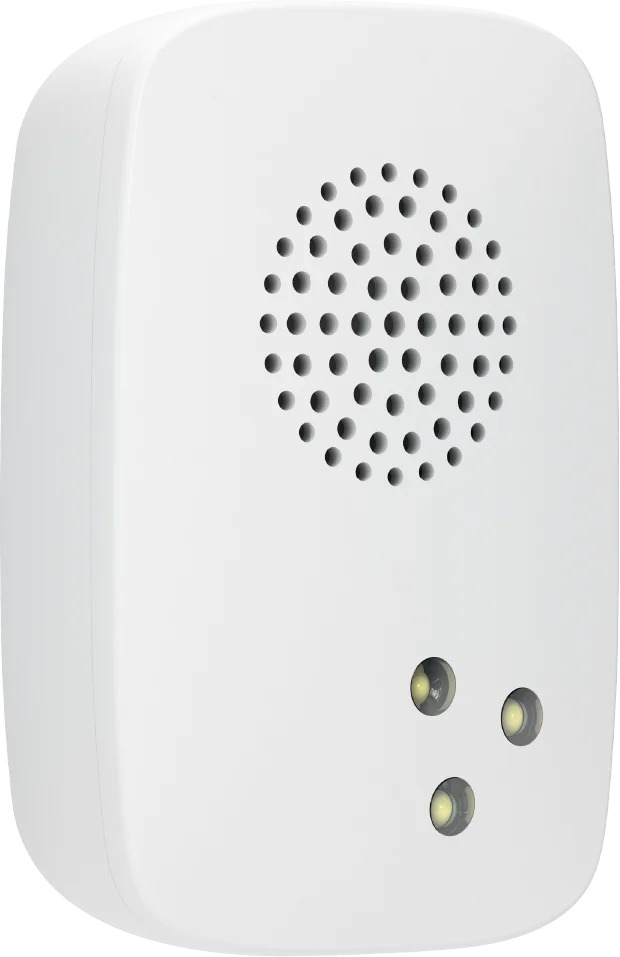
A vigilant watchdog that shouts warnings at 104 decibels.
The Aeotec Siren 8 doesn’t make polite suggestions – um 104 dBit practically rings like a fire alarm in a small apartment. This plug-in Z-Wave 800-series device features a flashing strobe alongside its powerful siren, with five distinct tones and ten Volume levels correspond to the emergency alert. During power outages, the integrated 430mAh Backup continues operation for up to two hours. Configure it for serious security breaches with air raid siren intensity, or use lower volumes for subtle reminders like an open garage door. This dedicated Z-Wave alarm fulfills its role without the distraction of custom audio file playback that it does not offer.
2. WiiM Amp
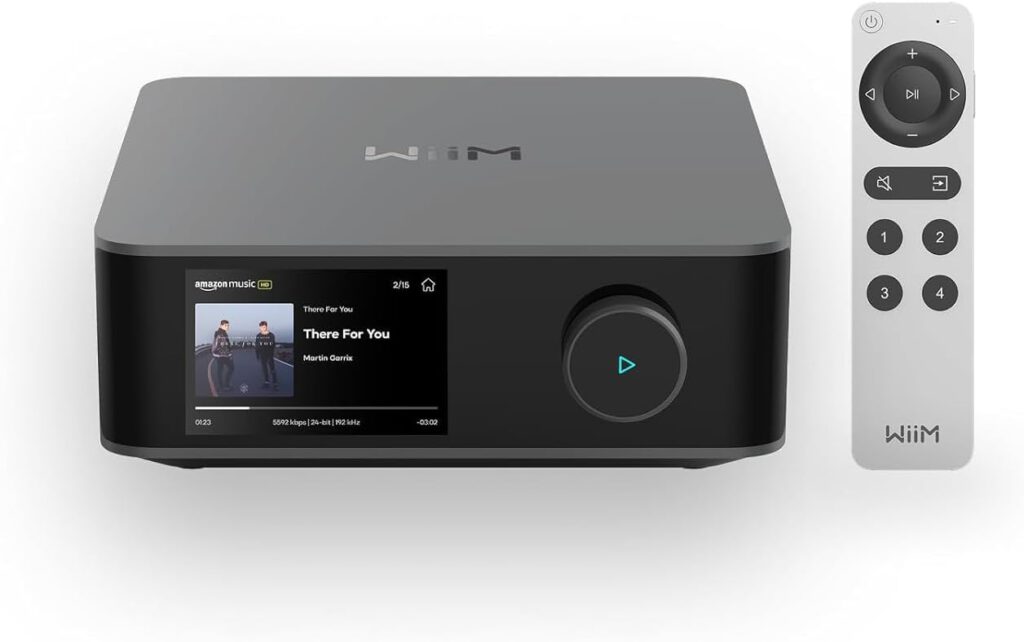
Serious audio muscle in a discreet package that eliminates the remote.
This compact amplifier delivers 60 watts per channel 8 ohmsScale up 120 watts per channel 4 ohms for versatile power. Connectivity includes HDMI ARC, optical input, analog line input, Ethernet, and a dedicated subwoofer output. At about $300it packs significant audio capabilities for existing passive speakers. Integration with AirPlay 2, Chromecast, Spotify Connect, and Home Assistant enables smooth smart home operation. HDMI ARC input automatically transitions between TV audio and streaming music, eliminating the usual remote juggling. Ideal for multi-zone audio systems, although it notably omits a headphone jack and offers limited physical inputs for those requiring extensive cable connections.
1. Philips Hue Essential bulbs
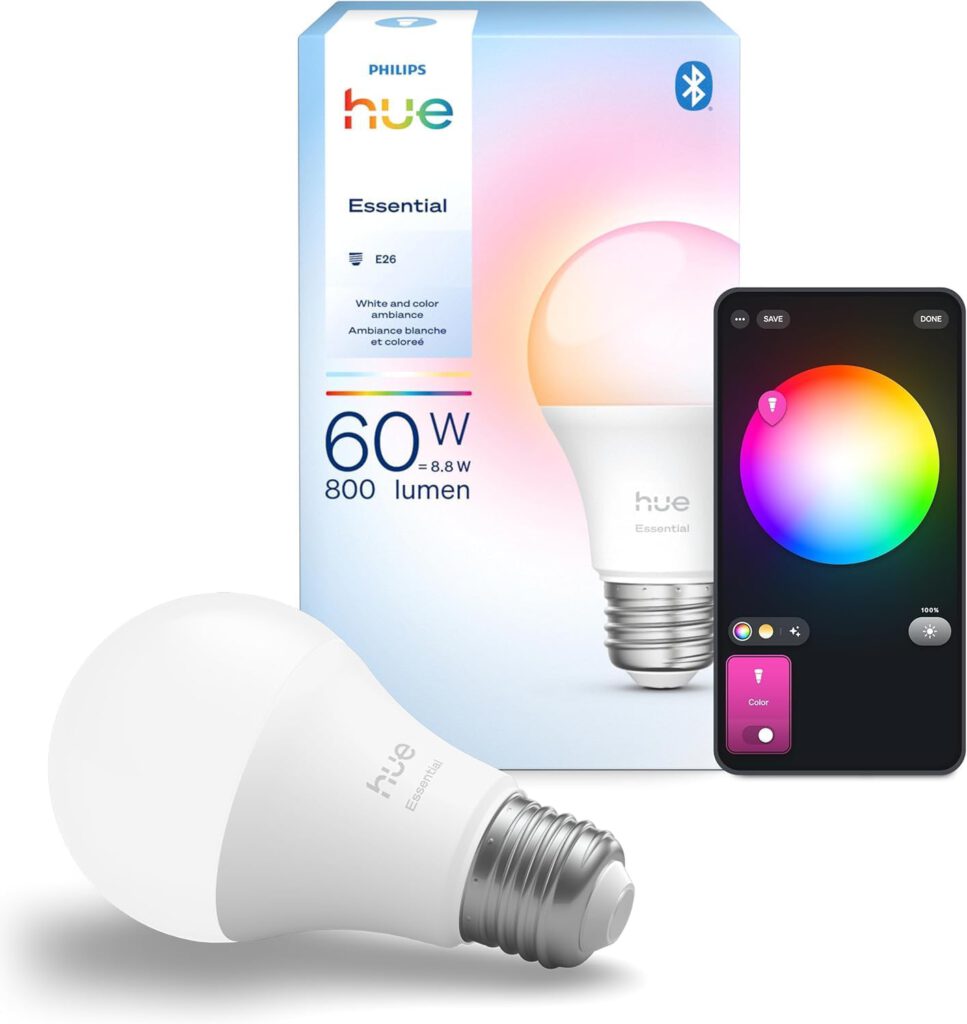
Reliable workhorses extend smart lighting affordably through a rock-solid mesh.
Philips Hue Essential Bulbs offer accessible entry into the established Hue ecosystem at a lower cost than premium models. These bulbs focus on practical white light with color temperature adjustment and dimming capabilities, although their minimum brightness is higher than flagship Hue options. Connecting directly to the Hue Zigbee bridge ensures local integration and consistent responsiveness – a relief compared to budget Wi-Fi bulbs that can overwhelm router capacity. The Hue mesh network, broad platform compatibility and reliable performance make these essentials ideal for laundry rooms, hallways, or any room where reliable smart lighting is more important than fancy features.