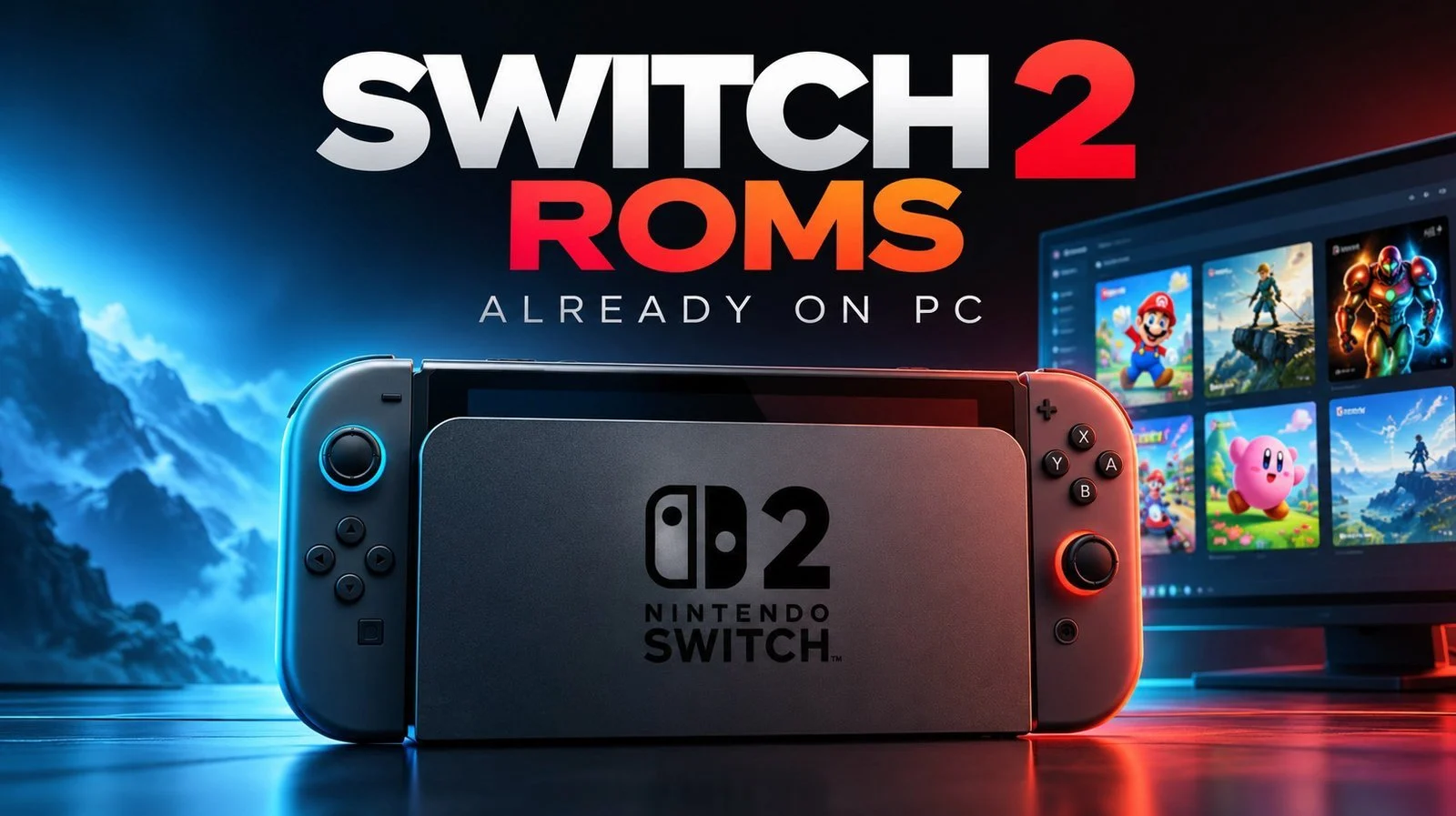
The emergence of Nintendo Switch 2 ROMs on PC has sparked considerable discussion within the gaming and tech communities. According to RGT 85, titles like Dusk Bloods and Delta Rune Chapters 1-4 have already been extracted and made available for emulation, raising questions about the console’s security measures. These developments highlight the increasing role of artificial intelligence in circumventing encryption protocols, allowing hackers to streamline processes such as decryption and reverse engineering. While these advances demonstrate the technical sophistication of the hacking community, they also reveal vulnerabilities in what was once considered a highly secure gaming system.
Explore the wider implications of these developments, from the ethical dilemmas surrounding intellectual property to the potential risks of engaging with unverified software. Gain insight into how AI is shaping the landscape of emulation and homebrew and understand the challenges of malware, legal ramifications and system instability. This guide provides a balanced look at technical achievements and the responsibilities they entail, helping you navigate this evolving topic with clarity and caution.
Like Hackers Dumping ROMs
TL;DR key takeaways:
- Hackers have breached the security of the Nintendo Switch 2, extracting game ROMs such as Dusk Bloods and Delta Rune Chapters 1-4 for PC emulation, raising concerns about system vulnerabilities.
- Artificial intelligence plays a key role in automating decryption, reverse-engineering and emulator development, accelerating hacking progress.
- The release of homebrew tools and speculation about a full PC emulator highlight opportunities for customization but also pose risks of piracy, malware and legal issues.
- Nintendo actively fights hacking through legal actions, system updates and cease and desist letters, although the effectiveness of these measures remains mixed.
- The ethical and legal implications of hacking and emulation continue to spark debate, with risks such as system bricking, malware exposure and copyright infringement deterring most users from engaging in these activities.
The emergence of these ROMs highlights the ongoing battle between technological innovation and the protection of intellectual property. As the hacking community continues to push boundaries, questions about the future of gaming security and the implications of these advances remain at the forefront.
The hacking community has taken significant steps to breach the Nintendo Switch 2’s security systems. Reports indicate that hackers have successfully extracted game files, commonly referred to as ROMs, from the console. These files are now analyzed, edited and tested for PC-based emulation. High-profile games like Dusk Bloods and Delta Rune Chapters 1-4 were among the first to be targeted, drawing attention to the weaknesses in the system. Key advances driving these developments include:
- Data mining efforts that uncover details about the Switch 2 file structures and encryption protocols.
- The use of artificial intelligence to automate the decryption and reverse-engineering processes.
- Testing modified game files for compatibility with PC emulation software.
The use of AI has proven to be a fantastic option in this context, allowing hackers to streamline complex tasks such as analyzing encryption methods and bypassing security measures. This rapid progress underscores the growing sophistication of hacking tools and techniques, and raises concerns about the long-term security of gaming systems.
Homebrew and emulation: opportunities and risks
For tech enthusiasts and developers, the release of a homebrew launcher for jailbroken Nintendo Switch 2 systems is a significant milestone. This tool allows users to run custom software, allows unofficial applications, games and modifications. In addition, speculation is mounting about the potential release of a fully functional Switch 2 emulator for PC, allowing users to play Switch 2 games without owning the console.
Artificial intelligence has played a pivotal role in these advances, especially in the development of emulators and other software tools. However, these developments come with notable risks and challenges:
- Potential misuse of AI tools for piracy and unauthorized distribution of intellectual property.
- Legal and ethical concerns surrounding the use of unlicensed software.
- Increased exposure to malware and other security threats through unverified downloads.
While homebrew and emulation offer exciting opportunities for customization and innovation, they also blur the lines between legitimate experimentation and piracy. Users must carefully weigh the benefits against the potential consequences, both legal and technical.

Browse through more resources below from our in-depth content covering more areas on Nintendo Switch 2.
Verify claims and navigate the hype
Amid the buzz surrounding the hacking of the Nintendo Switch 2, skepticism remains a critical tool for navigating the flood of information. Leaked images and videos claiming to show hacked systems or emulated games have surfaced online, but not all of these claims are credible. Some members of the community have raised doubts about the authenticity of these materials, citing the history of exaggerated or false claims in the hacking scene.
To avoid being a victim of false information, it is essential to rely on verified sources and be careful when evaluating new developments. Unverified software, in particular, poses significant risks, including potential damage to your system and exposure to malicious code. By critically approaching these claims, you can protect yourself from unnecessary risks while staying informed about the latest developments.
Nintendo’s answer to hacking and emulation
Nintendo has a longstanding reputation for taking a firm stance against hacking and piracy and the Switch 2 is no exception. The company actively monitors these activities and has already taken measures to counter them. These efforts include:
- Issue legal warnings and cease and desist letters to individuals and groups suspected of hacking or distributing ROMs.
- Installing system updates designed to patch vulnerabilities and block unauthorized software.
- Pursue legal action against websites and platforms that host ROMs or emulators.
While these measures demonstrate Nintendo’s commitment to protecting its intellectual property, their effectiveness has been mixed. The ongoing cat-and-mouse game between developers and hackers highlights the challenges of maintaining security in an increasingly digital and connected world.
Broad implications for the gaming industry
The rise of hacking and emulation has far-reaching implications for the gaming industry. While these activities generate significant attention, their impact on the wider market is often limited. Most consumers prioritize the convenience, reliability and official support offered by legitimate systems and games over the complexities and risks associated with jailbreaking or emulation.
For Nintendo, the primary concern lies in the potential loss of revenue through piracy. However, the overall financial impact is likely to be minimal, as the majority of players continue to support official products. For users, the risks associated with hacking or emulation often outweigh the potential benefits. These risks include:
- System bricking, where unauthorized changes render the device unusable.
- Exposure to malware or other security threats from unverified software downloads.
Ultimately, the appeal of hacking and emulation is limited to a niche audience, while the majority of players remain focused on enjoying the official gaming experience.
Ethical considerations and the way forward
The hacking and emulating of the Nintendo Switch 2 raise important ethical questions about the balance between innovation and intellectual property rights. While some argue that hacking can be justified for purposes such as game conservation or homebrew development, others point out that these activities often cross legal and ethical boundaries.
Common challenges include:
- Technical risks, such as damaging your device or introducing vulnerabilities.
- Legal risks, because hacking and emulation often violate copyright laws and intellectual property rights.
As a user, it is crucial to consider these factors carefully and make informed decisions. While the technical achievements of the hacking community are undeniably impressive, they also come with significant responsibilities. By staying informed and critically evaluating new developments, you can navigate this complex landscape while minimizing risks and respecting creators’ rights.
Media credit: RGT 85
Filed Under: Gaming News, Top News
Disclosure: Some of our articles contain affiliate links. If you purchase something through one of these links, Geeky Gadgets may earn an affiliate commission. Learn about our disclosure policy.