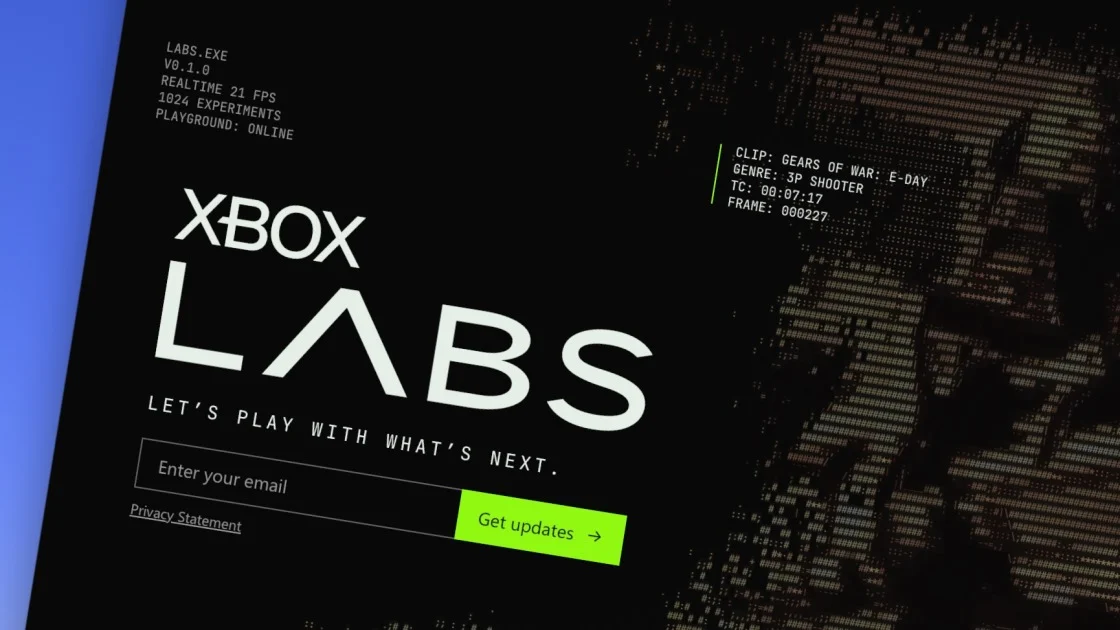
A surge of people harnessing artificial intelligence to reverse engineer classic video games — including running Halo in a web browser — has prompted Microsoft’s Xbox to form a new lab to explore AI-created game ports, Xbox CEO Asha Sharma announced Tuesday.
Some enthusiasts and software developers have used AI models to efficiently “decompile” classic games, a process that reverses the game’s computer code into a human-readable format. Doing this manually usually takes years.
This allowed people to port video games to other platforms, including PC, macOS, and web browsers, and even modify the code, raising exciting possibilities and questions about retro titles and game development. Although publishers have already issued cease-and-desist letters demanding content be pulled, it’s not hard to see a future in which gamers privately create and run AI-generated games at home. The same trend is emerging with AI-vibed coded software apps that are meant to take on legacy products.
“Over the past few weeks, we’ve rapidly decompiled and rebuilt games to run on hardware they were never originally designed to support,” Sharma tweeted today. “Windows PC builds have been translated to run on Apple Silicon or ported to run in a browser through WebAssembly and WebGPU, the latter of which is now 90% global browser support.
“Perhaps more surprisingly, we’ve seen many of the biggest games in the world remixed into someone else’s source code,” she added, possibly referring to a project combining Elden Ring with Super Mario 64.
“While it’s hard to predict the future of gaming, it’s easy to see the opportunities to make great games easier to access, give new life to old games, and allow more players to become creators and co-creators.
In response, Sharma is forming a small division called Xbox Labs that focuses on the vague goal of “taking emerging ideas into things that our players and developers can experience.” She did not offer concrete examples, but said: “We will build in the open, learn from what people do, and measure success if more people play and create. I think Xbox has an important role to play here.”
Recommended by our editors
Sharma added, “I want our game makers to help shape what these new technologies make possible,” suggesting that Xbox at least explore AI-enabled games, rather than just trying to block them. “Labs give us a way to explore new technology that drives game design without abandoning the work that’s already underway.”
For now, the new Xbox Labs site lets visitors enter their email address to receive future updates. When you sign up, the site sends an email that says, “More experiments are coming soon,” and “We’re building the first Xbox Labs experiments now, and we’ll email you as soon as there’s something to play.”
About Our Expert
Michael Kan
Chief Reporter
Experience
I have been a journalist for over 15 years. I got my start as a school and urban reporter in Kansas City and joined PCMag in 2017, covering satellite internet services, cybersecurity, PC hardware, and more. I am currently based in San Francisco, but previously spent over five years in China, covering the country’s technology sector.
Since 2020, I have covered the launch and explosive growth of SpaceX’s Starlink satellite internet service, writing 600+ stories about availability and feature launches, but also the regulatory battles over the expansion of satellite constellations, fights with rival suppliers such as AST SpaceMobile and Amazon, and the effort to expand into satellite-based mobile service. I combed through FCC filings for the latest news and drove to remote corners of California to test Starlink’s cellular service.
I also cover cyber threats, from ransomware gangs to the emergence of AI-based malware. In 2024 and 2025, the FTC forced Avast to pay consumers $16.5 million for secretly collecting and selling their personal information to third-party customers, as disclosed in my joint filing. investigation with motherboard.
I also cover the PC graphics card market. Pandemic-era shortages led me to camp out in front of a Best Buy to get an RTX 3000. I am now tracking how the AI-driven memory shortage will affect the entire consumer electronics market. I’m always eager to learn more, so please jump into the comments with feedback and send me tips.
Read the full bio