Google is giving Android users a few more ways to lock down their phones, and some of these protections go far beyond the usual warnings about suspicious apps.
The company is expanding Advanced Protection, the security mode it introduced with Android 16 for people who want stronger protection against scams, theft and targeted attacks. It’s particularly useful for journalists, public figures and others who are more likely to face sophisticated attacks, but anyone can turn it off. Instead of hunting through multiple menus, Advanced Protection uses a single switch to enable a collection of Android and Google app security features. With Android 17, this list gets significantly longer.
Your phone can now save the recipients
One of the more interesting additions is intrusion logging. If you suspect someone has compromised your phone, figuring out exactly what happened next is incredibly difficult. Intrusion logging is designed to give investigators something to work with. If you choose, Android Security records network activity, encrypts these logs end-to-end, and stores them in the cloud. Google says the records are protected from tampering, can only be accessed by the user, and are kept on a rolling 12-month basis. That means evidence can remain available even if an attacker removes traces of their activity from the phone itself. Google developed the feature with input from organizations including Amnesty International and Reporters Without Borders.
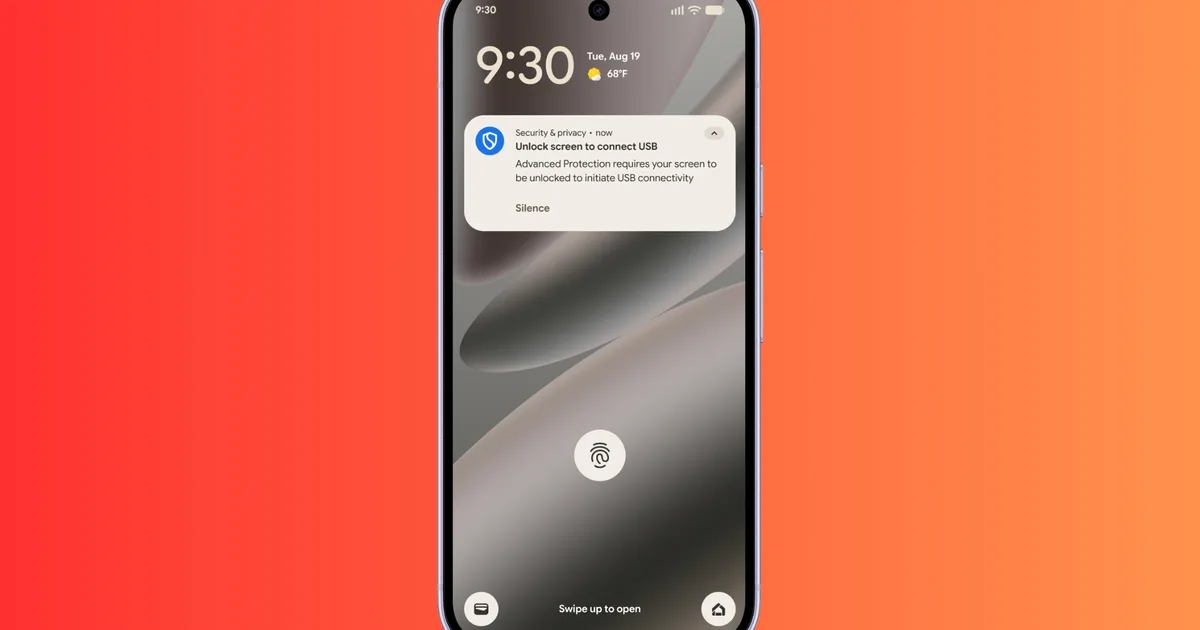
There is also USB protection, which packs a much more physical punch into your phone. On supported devices, plugging in a new USB accessory while the phone is locked will only allow charging. Data transfers remain blocked until you unlock the device, reducing the risk of an unknown accessory or compromised charging connection. USB protection is available on Pixel phones running Android 16 or later and is coming to more Android devices.
Android 17 closes a few more doors
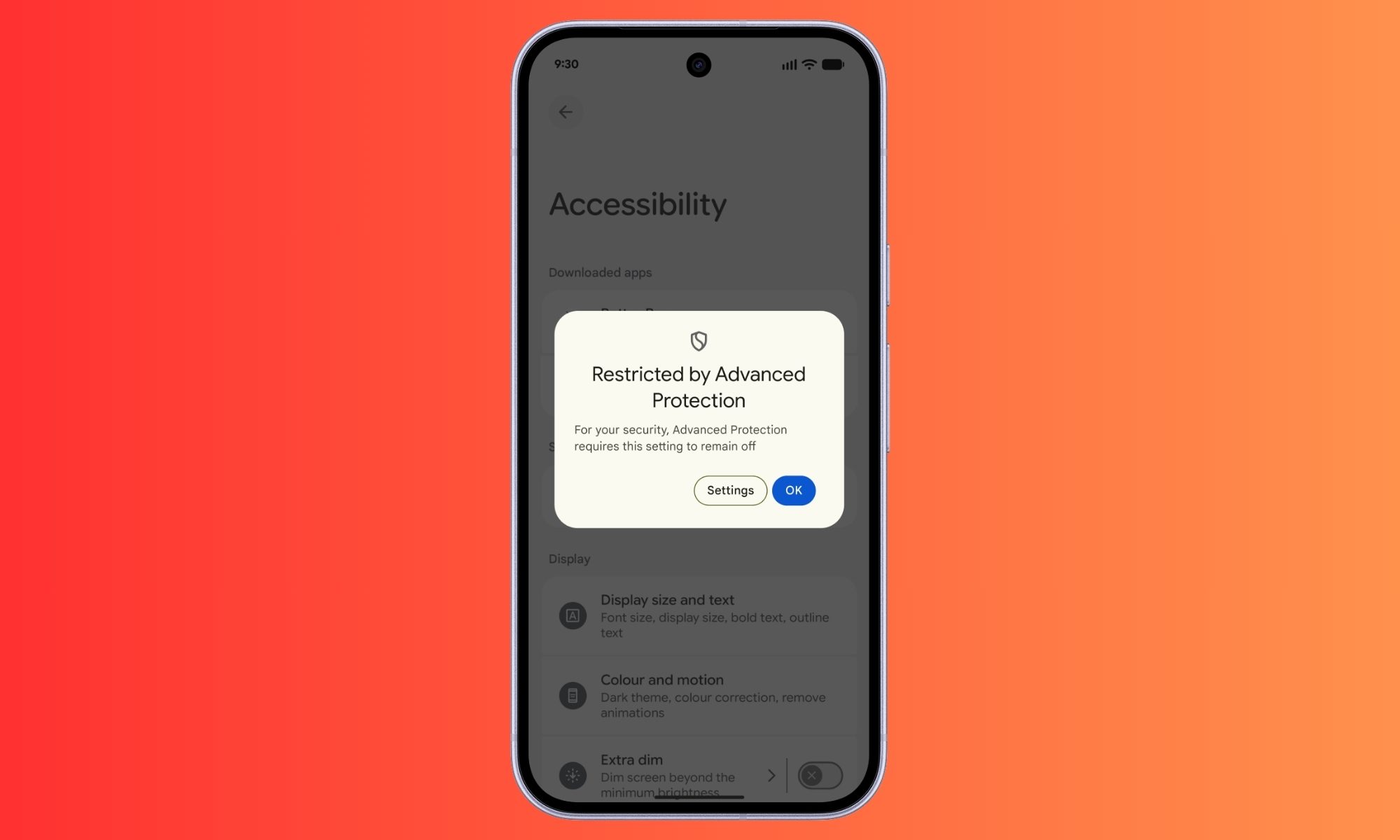
Some of the other changes are less obvious, but they could be just as important. Take accessibility permissions, for example. They’re incredibly useful for apps that need them, but they can also give an app tremendous control over what’s happening on your screen. That makes them particularly attractive to malicious apps that can potentially use this access to read sensitive information or perform actions without you realizing it. With Advanced Protection enabled in Android 17, this access is limited to verified apps categorized as accessibility tools.
Google takes a similar approach with Chrome. Advanced Protection now disables WebGPU, a technology used for more demanding graphics and other intensive tasks on the web. Most people will probably never think about WebGPU while browsing, but disabling it removes another potential avenue that a sophisticated browser-based attack can use.
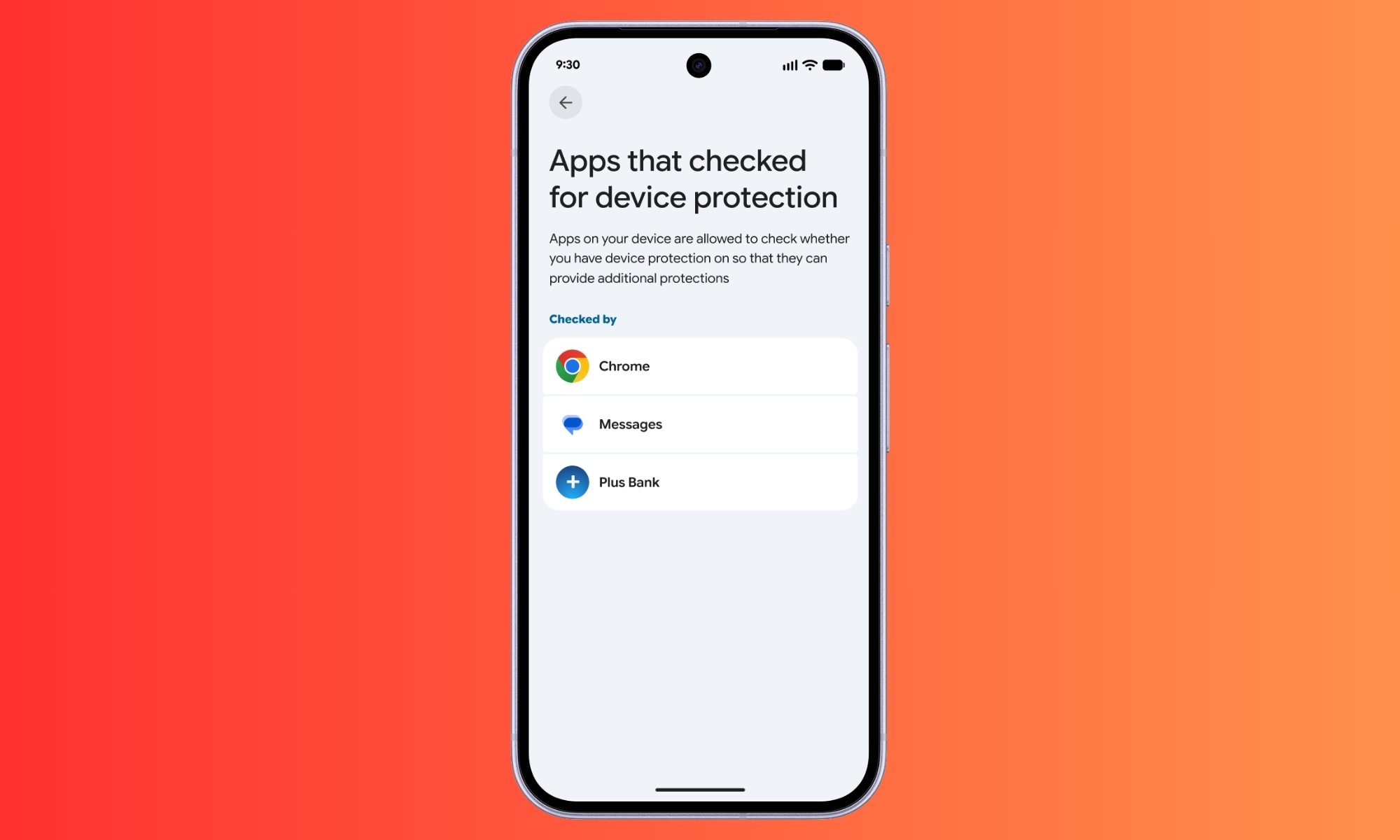
And if someone actually gets your phone, Android 17 has another protection measure waiting. Failed authentication lock occurs and after repeated unsuccessful attempts to authenticate inside settings or protected apps, the device locks before you can simply try your luck. Google also makes all of this a little easier to understand. A new settings page will show you which apps on your phone can detect that Advanced Protection is enabled and adjust their own security features accordingly.
Most people probably don’t need all the protection here every day, and some of them are limited to select Android 17 devices. But that’s also what makes Advanced Protection interesting. You don’t have to understand every possible way someone could attack your phone or dig through half a dozen settings to protect yourself. You can turn off a setting and let Android handle much of that work in the background.