ZDNET’s key takeaways
- Apple has finally announced its new “ProLED” touchscreen MacBook Pros.
- They will have the M5 Pro and M5 Max chips.
- The laptops are available for pre-order now, starting at $2,899.
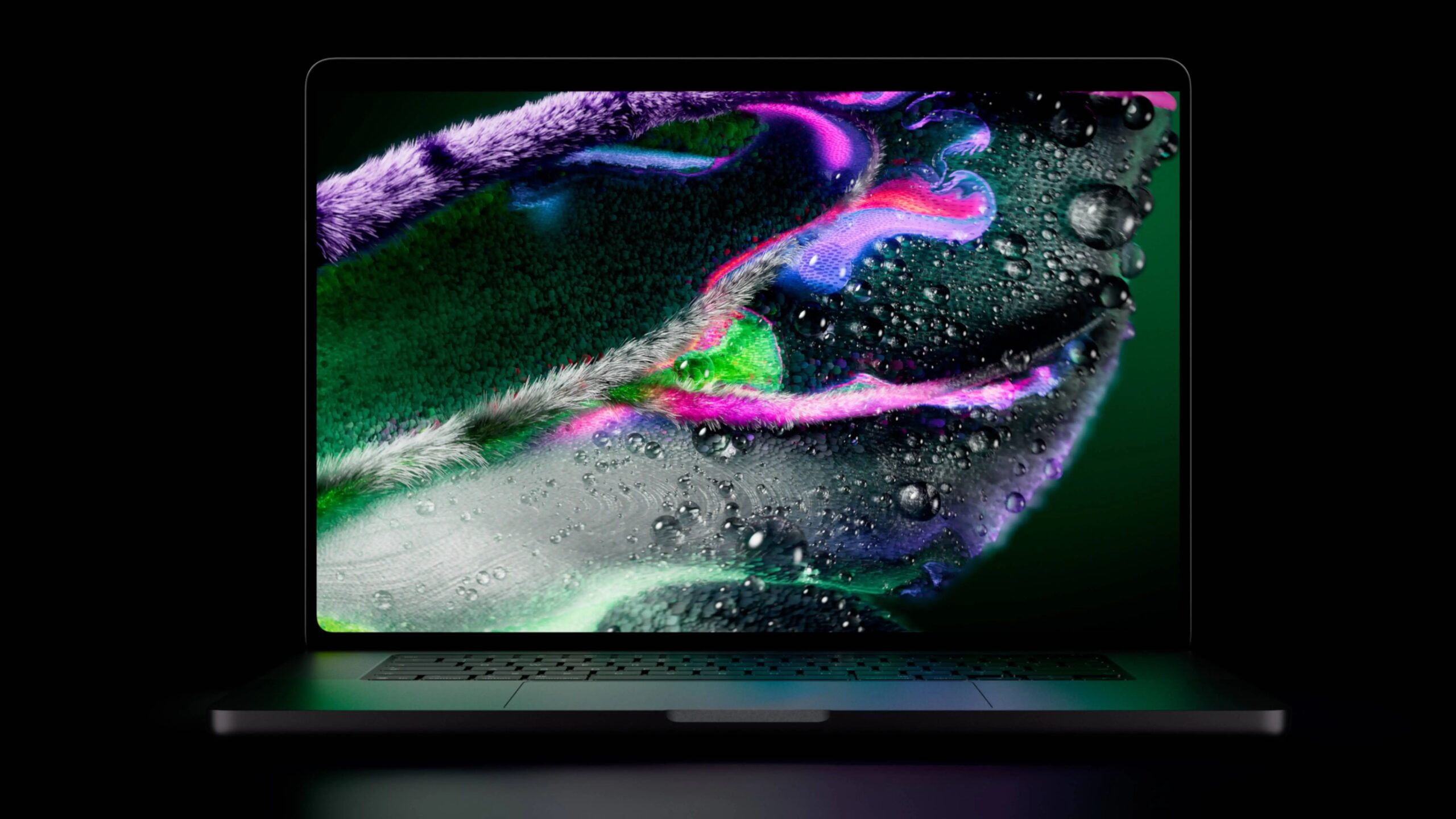
Steve Jobs may be rolling over in his grave, but finally Apple has announced a MacBook Pro with a touchscreen display. The new MacBook Pro M5 Pro and M5 Max have a tandem OLED display Apple calls “ProLED XDR”, scaling up to 2,000 nits brightness and a 120Hz refresh rate. For the first time, the MacBook Pro will have touchscreen capabilities and the Dynamic Island – a feature first introduced on the iPhone.
Also: Forget the touchscreen MacBook – Apple’s new M6 is the laptop I recommend for most people
The display and the controversial form factor are not its only draws: it has a thinner, lighter design and brings back the illuminated Apple logo on the back – some of the most significant changes to the MacBook chassis in years. The new MacBook Pro with the M5 Pro and M5 Max chips come in both 14- and 16-inch sizes, with up to 128GB of unified memory, and weighs less than ever: the smaller model at three pounds and the 16-inch at four pounds.
About that display…
The MacBook Pro M5 Pro and M5 Max have new ProLED XDR displays that control color and pixel luminance at the sub-millisecond level, while monitoring and adapting usage over time, Apple says. The panels have a 10,000,000:1 contrast ratio and cover both the P3 and Adobe RGB color gamuts, high-end specifications for a laptop display.
To reduce glare, Apple says it etched the nano-texture directly into the glass because the touch sensor is built right into the panel instead of being placed on top of it.
The displays work with Apple’s ProMotion technology, which adjusts refresh rates based on what the device is actively doing: scaling down to 10Hz while idle for better energy efficiency and ramping up to 120Hz during gaming or graphics-heavy tasks.
In terms of software and usability, Apple says that apps should be ready to go on the new MacBook Pros because they are set to register touches as clicks.
The secret sauce
Touchscreen laptops are nothing new, as they have been standard fare on laptops of all kinds for years. Apple’s entry into the market is notable because the company has taken such a hard line against them for years (Jobs famously called them “ergonomically awful”), but honestly, the everyday consumer in 2026 may struggle to see the big deal.
Either you want to use your finger or a stylus on a screen, or you don’t. Can Apple really deliver a touchscreen experience that is worlds better than what’s available on Windows PCs or Chromebooks (or Googlebooks)? It is debatable.
However, there are a few things that Apple has up its sleeve that set it apart from the competition, and they have to do with its most successful product of all time (which also has a touchscreen): the iPhone.
Also: iPhone Duo handy: The $2,000 foldable has some magic touches
Apple has smartly made the usability of the iPhone the core of its approach to the new MacBook. For example, it has a Dynamic Island cutout that removes the notch for a dynamic multitasking hub. This allows it to adapt through unique touch-based interactions that were previously impossible on a MacBook.

The Dynamic Island serves as the new home for Spotlight, Live Activities, and Siri, changing how you interact with these features by putting them front and center. The design intent here seems to be to keep dynamic, time-sensitive events and apps in close view for quick reference, an interesting fusion of how we use our iPhones and laptops.
Also: Apple’s first touchscreen MacBook is days away – with another OLED surprise
Plus, with Apple’s large App Store library, there are already plenty of touch-optimized programs for Apple’s ecosystem. It doesn’t look like Apple is interested in bringing this directly to MacOS – this is still a MacBook Pro – instead, folds the touch functionality as part of the feature set of these laptops’ premium displays.
In that sense, this is already well-trodden ground for Apple. Bringing the best features of the iPhone to the MacBook Pro isn’t even that revolutionary when you think about it; it is a smart way to improve its product line.
The dollar sign-shaped elephant in the room
You already know that these new MacBooks won’t be cheap. The basic model with the lowest configuration starts at $2,899: the 14-inch M5 Pro with 24GB of unified memory and 1TB of local storage. Prices only go up from there to seriously astronomical numbers, especially for the ultra-high-end storage options. 16TB of storage starts at $14 grand.
 Apple
We haven’t seen these laptops in person yet, but I have no doubt that the new ProLED XDR screens will look fantastic. However, it is a lot of money for a touchscreen laptop. These devices come hot on the heels of Microsoft and Nvidia’s recent RTX Spark devices, which also target the high end of the market, with AI enthusiasts looking for local AI performance to be front and center.
These laptops are niche, to be sure, but they also don’t speak to such a specific subset of users; instead, they focus on their impressive hardware and implications for creators, artists, and power users.
Also: Apple’s touchscreen Mac event: 3 things I’m excited about — and my only concern
Apple is not showing off an invention of the MacBook Pro, but rather a bonus feature for its most powerful ultra-premium laptops. With the recent announcement of the M6 MacBook Pro, consumers looking for an affordable workhorse MacBook already have that option. This is for someone else entirely.
The new MacBook Pros with M5 Pro and M5 Max are now available for pre-order, with general availability starting Friday, November 6.

See full bio