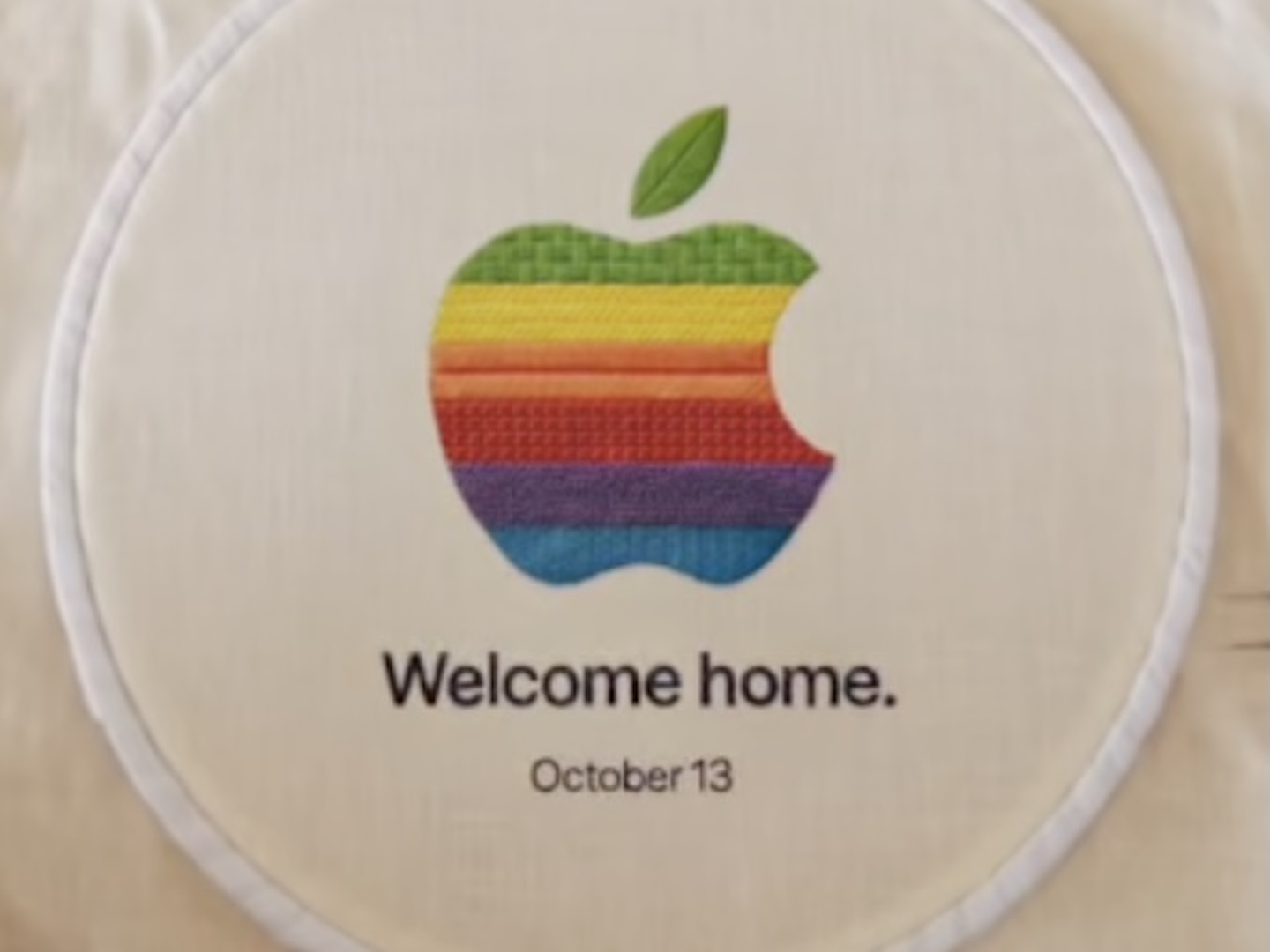
Apple shoppers have good reason to wait before buying a HomePod Mini or Apple TV 4K. Apple has confirmed an October 13 product launch under the tagline “Welcome Home”, while reportedly focusing on a small group of home-focused devices rather than a broad hardware keynote. For buyers, the question is whether today’s models still meet their needs or whether the expected updates are worth waiting for.
The expected lineup and specifications below are based on pre-launch reporting, not confirmed product announcements. Bloomberg’s Mark Gurman points to three expected products: a display-based home hub, a refreshed HomePod Mini, and a new Apple TV 4K. Apple has reportedly invited select media to a New York hands-on experience. Bloomberg also reports that the launch will include an online video presentation, although the exact format remains unclear.
Until Apple provides specifications, details about product names, processors, cameras, pricing and advanced Siri features remain unconfirmed. The expected devices deserve attention because they could make Apple’s smart-home setup easier to use, but shoppers should judge them by the hardware and support details Apple announced at launch.
Add The Gadgeteer to Google Add The Gadgeteer as a preferred source to see more of our coverage on Google.
PHOTOS OF US ON GOOGLE
1. A Home Hub could give Apple households a shared control point
The expected centerpiece is a smart-home hub with a display. Reports describe a compact screen-based device that could sit on a speaker base or mount on a wall. Its purpose would be to give Apple households a fixed place to manage connected devices rather than spreading control over phones, tablets, speakers and TVs.
That could solve a daily problem for homes with some Apple users. The Home app works on personal devices, but a household may need a visible screen to control cameras, change lights, start music, set timers and watch routines. A permanent hub could make shared controls more convenient, depending on how Apple handles household accounts and guest access.
The important issue is how well it works with existing equipment. A useful hub should clearly handle HomeKit and Matter accessories, show controls without digging through menus, and remain useful when voice control is inconvenient. Buyers should also look for information about account sharing, support for multiple household members, and which features require a newer version of Siri.
2. A new HomePod Mini could focus on reliability, not innovation
A refreshed HomePod Mini is also widely expected. Reports have suggested updated wireless hardware, a faster processor, and new colors, but Apple has not confirmed these features. The update doesn’t need to reinvent the small speaker to be worth it. It must make the existing role of the HomePod Mini more reliable.
The current model covers a lot of ground in a small package. It plays music, handles timers and alarms, supports intercom features, and provides voice access to compatible home accessories. That makes it useful in rooms where a large speaker is unnecessary but a quick way to control lights, temperature or music is welcome.
At launch, buyers should look for details on the reported processor and wireless upgrades, along with any changes to Siri. Faster hardware alone would not make the speaker understand everyday queries more reliably. The question is whether Apple will announce improvements that go beyond new colors and internal specifications.
3. The next Apple TV 4K may have a bigger role at home
A new Apple TV 4K is expected to round out the launch. The current model remains a capable streaming device, so a new version will need more than a modest speed increase to convince recent buyers to upgrade. Its potential value is how it fits into Apple’s larger home setup.

Apple TV can already function as a home hub for compatible accessories, supporting remote access and automations. Thread support varies by model: the third-generation Apple TV 4K with Wi-Fi + Ethernet supports Thread, while the third-generation Wi-Fi-only model does not. Updated hardware could make the device a stronger central connection point for homes with various smart accessories, newer Wi-Fi equipment, and high-definition streaming needs. It could also make menus, games, video calls, and media playback feel more responsive.
Reports have raised the possibility of a newer chip, additional memory, and updated wireless connectivity. These details should remain outside of a purchase decision until Apple confirms them. For now, the sensible expectation is a refreshed streaming box that could become more important for Apple’s home platform.
4. Siri needs to work across the entire setup
The launch may be remembered less for a specific screen or speaker than for whether Apple shows a more coherent approach to Siri. Smart-home voice control becomes frustrating when a device misunderstands a room, can’t find an accessory, or handles the same request differently than another Apple product.
A display hub could help by making touch controls available when speaking is impractical. This is important in homes with guests, children, roommates, or different comfort levels with voice assistants. Visible controls also make it easier to check if a light, lock or camera is responding as expected.
Apple has not confirmed any new Siri features for this launch. The strongest announcement would show consistent control over the hub, HomePod mini, Apple TV, and Home app. Buyers should pay closer attention to demonstrations of common actions than broad claims about intelligence or personalization.
5. Mac and iPad Buyers Should Look Later This Month
October reporting also linked Apple with new Macs and an OLED iPad Mini, but those products are not expected to be part of the October 13 home launch. Separate reporting suggests that Apple could introduce more hardware later in the month through additional media experiences.

That makes this launch most relevant to people considering smart speakers, streaming boxes and connected home accessories. It is less useful for someone who is waiting on a MacBook Pro, iMac or iPad mini. Those shoppers shouldn’t read a home-focused event as evidence that Apple’s other rumored products are ready to buy.
Buyer Fit
Existing HomeKit and Matter users should wait for the announcement before purchasing a HomePod Mini or Apple TV 4K. A display hub can be particularly useful for households that want shared controls in a kitchen, entryway or living room rather than relying on individual phones.
The current Apple TV 4K remains a sound choice for anyone who needs a streaming device now. Buyers interested in newer networks, stronger smart-home integration, or Apple’s broader direction should wait for launch details. The key question is whether Apple’s new hardware will reduce the daily effort of managing a connected home.
Love our content?
Check in for our newsletter today.
No ads, no spam, just links to our latest articles!