Share
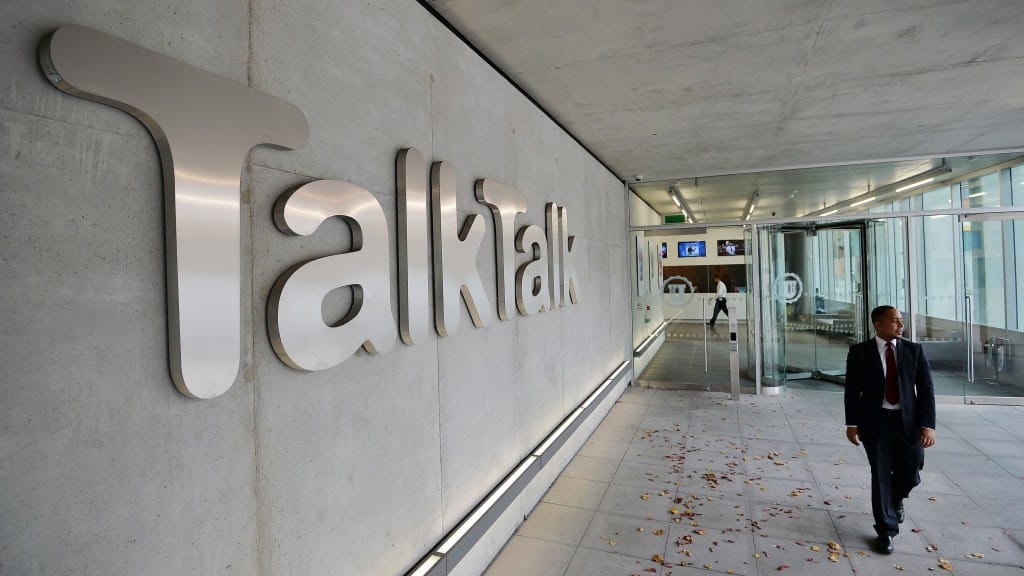
Telecommunications giant BT has agreed to acquire rival broadband provider TalkTalk and its wholesale arm, PlatformX Communications (PXC), out of administration in a deal worth £400m.
The rescue agreement protects 900 jobs and maintains continuous service for 2.5 million retail and wholesale customers, including more than one million households and vulnerable users.
TalkTalk had been struggling under a heavy £1.4bn debt load following its 2021 private equity takeover, eventually facing collapse after running out of viable alternatives.
BT chief executive Alison Kirkby defended the move as a necessary safety net, noting that BT intervened because it was the only viable option to avoid widespread disruption of critical public services, schools and emergency care.
However, the acquisition immediately introduced competitive concerns across the industry. Critics, including rival Virgin Media, slammed the deal as a “stitch-up” that would allow BT to further strengthen its grip on the UK telecoms market.
Alex Tofts, strategist at Broadband Genie, notes the delicate balance of the rescue:
“With options running out fast for TalkTalk, BT stepping in is a real lifeline. This rescue deal protects millions of households, including vulnerable customers from sudden loss of service and protects many jobs.
“(But) this rescue will inevitably bring serious competition concerns. BT is already the dominant giant in UK broadband with its existing portfolio of BT, EE and Plusnet. Swallowing TalkTalk cements its stronghold and drives further market consolidation.
Tofts added that while existing customers won’t see any immediate changes to their service or pricing, those out of contract are evaluating their options. “Customers who regularly switch their broadband provider stand to save up to £452 a year,” he noted.
Recognizing the gravity of the market consolidation, Culture Secretary Lisa Nandy intervened under Enterprise Act powers, ordering the Competition and Markets Authority (CMA) to investigate the deal and report by 19 October.
While the government retains the ultimate authority to weigh the public interest and national infrastructure security against competing risks, Pre-pack administration leaving existing shareholders wiped out and unsecured creditors with significant losses.
Related posts
Discover more from Tech Digest
Subscribe to get the latest posts sent to your email.