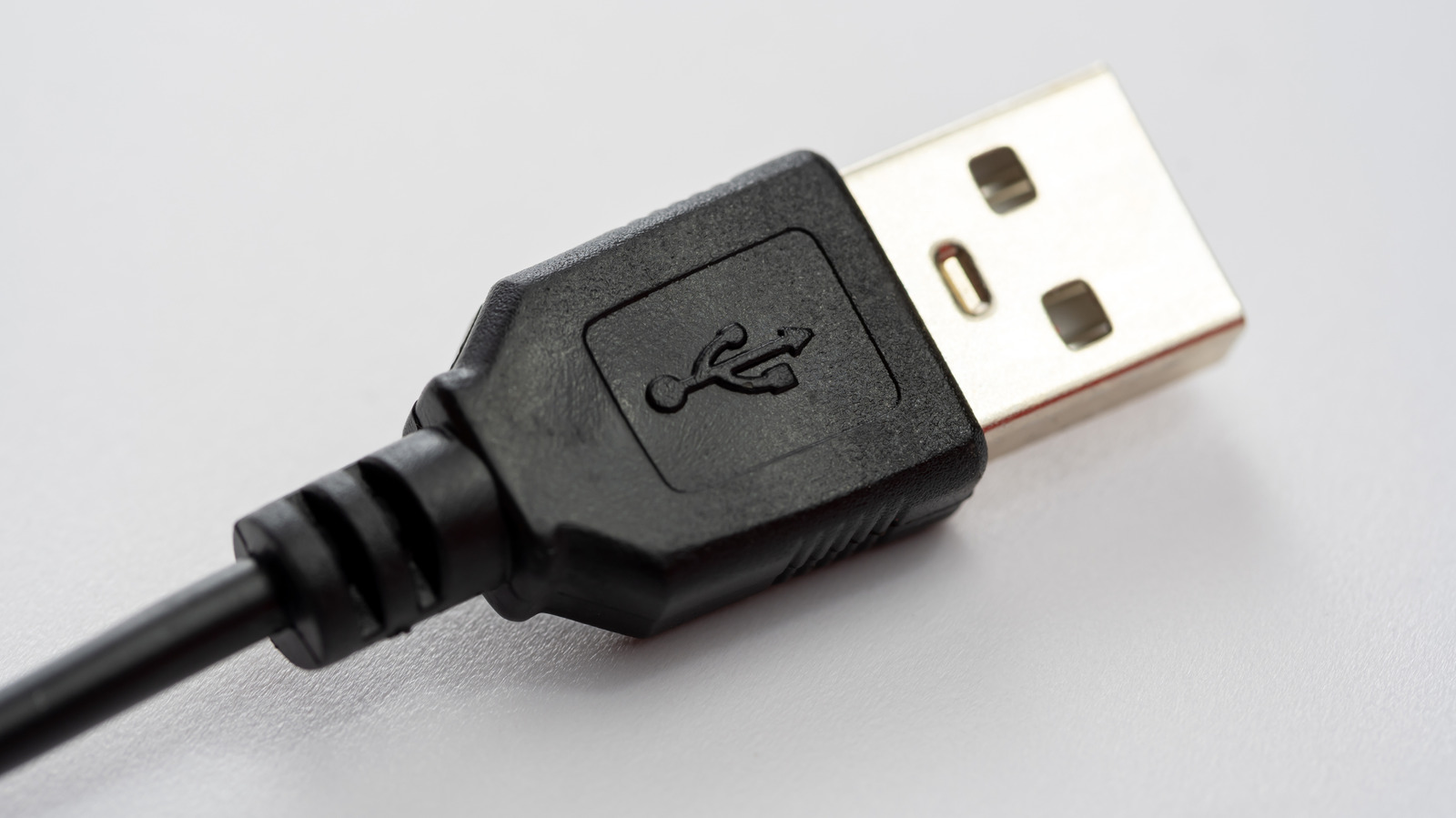
Turn your junk drawer’s tangled pile of old USB cables into useful everyday tools and crafts.
Most of us have a drawer or box where we keep a tangled pile of old USB cables on top of other cables that we probably shouldn’t be holding on to. Maybe those charging cables came with a phone you upgraded three models ago, or maybe they were included with headphones, speakers, or a printer you no longer have. Whatever the source, these cables add up faster than most people realize, especially if you tend to grab newer and faster models every so often.
When decluttering, the instinct may be to immediately throw them in the trash, but you should really think about it. A cable that no longer fits your current devices is not necessarily useless. Many old USB cables still carry current perfectly well – they just don’t fit the plug on your newest phone or laptop. Others may be worn, damaged or missing a plug altogether, but the copper wiring and durable plastic sheath still have practical value. Using a broken cable to run a current can pose a fire hazard, so make sure you know what you’re doing before reusing the wiring to make something new. Proceed with extreme caution, or use the cable for one of the power-free uses below.
Rather than dropping them in the trash or the donation box, there are really creative ways to put those cables back to work. Some ideas require nothing more than a pair of scissors and a few minutes; others call for basic tools like wire cutters and a soldering iron if you’re comfortable with electronic projects. Either way, the goal is the same: Get more use out of materials you already own before you decide they’re destined for a recycling bin.
How to use USB cables that still work

Before cutting into any cable, it’s worth testing if it’s still carrying power. Such a cable does not need to be thrown out. It can continue to do exactly what it was designed to do, just in a smaller or more specialized role.
Create a special charging station: Collect your work cables, bundle them near an outlet near your desk or kitchen counter and label each one by device type. This keeps cables organized and ensures you’re not trying to find a charger every time a phone or tablet runs low. Even if the cable can’t charge your phone fast, it will still provide some power while you make dinner without searching for a charger in another room.
Put together a dedicated travel charging kit: These replacement cables are just what you need when you go on vacation. If you happen to forget one at the airport or in the hotel room, you will not cry about losing the “good cable.” Plus, keeping a separate set packed in a small travel bag means you’ll never be scrambling to collect your tech before a vacation or unexpected trip.
Reuse cables to maintain small accessories: Those USB cables you no longer use with your phone and tablet may be just what you need to power LED lights behind your monitor or illuminate a dark desk. If you have basic electronic skills, the old cables with working USB plugs can also be used for small DIY projects, such as simple sensors. You will probably need a soldering iron and some patience, but you can definitely turn a drawer full of cables into something functional.
How to repurpose USB cables for household and craft projects
Even cables that no longer reliably charge anything still have raw materials worth saving. Depending on your imagination and expertise, there are many things you can do with these materials.
The copper core makes surprisingly effective gardening. Once stripped of its outer shield and inner insulation, the bare or tinned copper strands are flexible enough to gently tie tomato vines, for example in the garden. In a pinch, the entire cable can even be used to tie a tree to a support during a storm.
Inside, intact cables can be repurposed as plant hangers or picture supports. Cut the plugs from both ends, wrap the cable around a pot or frame and secure it with a knot or hook.
Crafters can have so much fun with such cables. Coiling a flexible cable into a tight spiral and gluing it in place creates a simple roller coaster. Cable segments can be threaded through holes drilled in drawers unconventional handle if secured with a knot or washer. You can even rewire these cables, especially those covered in braided nylon Keychain lanyards or zipper pulls. If you want to take things a step further, you can make key chains for all family members by leaving the USB connector on the cable. Then you can find matching female USB ends, arrange them on a small plate of some sort and create a distinctive key assembly to put by the door.
For the artsy folks, there’s also the option to strip the cables and use them to make some cool looking flies bracelets. You can also arrange them on a canvas or a wooden board to create Wire artor make one Sculpture from them through some armature wire used to create the shape, et cetera.
Why you should repurpose and recycle
Even with creative reuse, some cables really do reach the end of their usefulness. If this is the case for your cables, you should look into recycling instead of throwing them in the trash. USB cables are mainly made of copper and plastic, materials that do not break down quickly in a landfill. The UN Global E-Waste Monitor 2024 found that the world generated 69 million tons of e-waste in 2022, but only 22.3 percent of it was documented as being properly collected and recycled.
Recycling cables helps keep them out of the waste stream longer and reduces the need to remanufacture them. Major retailers like Best Buy and Staples accept old cables and other small electronics for recycling, often at no charge. If a cable is still in good condition but you just don’t need it, you can also donate it to a local school or nonprofit that runs STEM programs where they can use replacement components.