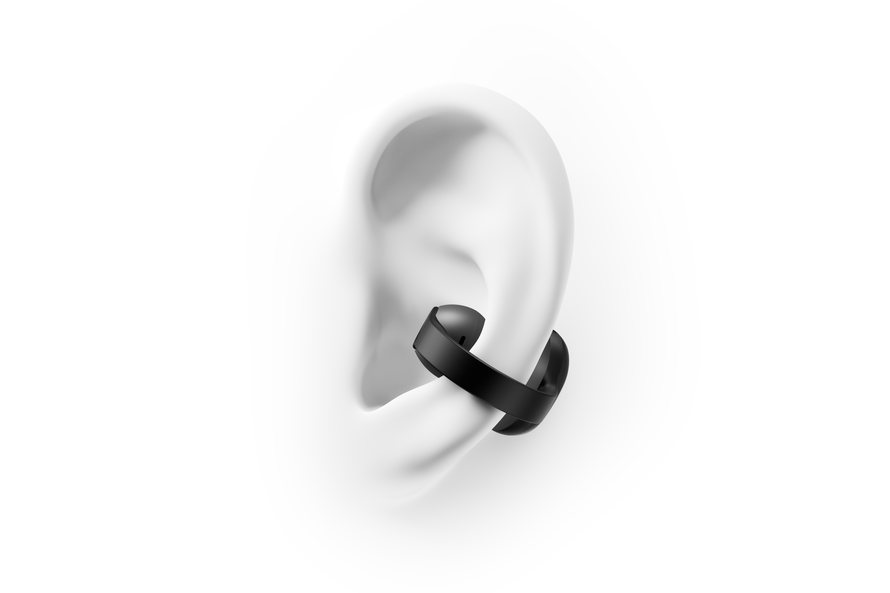
Fit6.65 grams per headphone
BatteryUp to 9.5 hours per charge claimed
SoftwareAdvanced functions carry Galaxy requirements
Samsung’s Galaxy Buds On is aimed at people who want music alongside the world around them. Their clip-on shape leaves the ear canal open, making them a different proposition than headphones that seal you into a private listening space. The practical question is whether this openness fits your day, whether your phone supports the features you actually want.
Samsung combines the new hardware with calling tools, voice access and head gestures, but the headline list needs careful reading. Some features depend on certain Galaxy software, apps or accounts. Treat the earbuds and connected phone as a buying decision if those extras are the reason you’re interested.
An open fit has a clear purpose

Each headphone weighs 6.65 grams and uses a band that wraps around the ear. Samsung says it refined the Fit using ear data, simulations and AI-assisted design. That explains the development approach, rather than proving comfort on your particular ears. With any clip-on device, pressure, stability and how it sits next to glasses remain personal considerations.
The format fits listening that must exist together with the conversation or awareness of a shared space. Our previous coverage of Sony’s LinkBuds clip looks at another take on the open-listening idea. In any case, opening up the ear canal changes the job you’re asking the headphones to do.
Samsung rates the headphones IP54, with conditions covering dust and freshwater splashes. The charging case is not waterproof, and the company advises against using it at the beach or pool. That is a useful limit for a device that is promoted around daily movement: a splash rating is not the permission to treat the whole kit as waterproof.
Sound and leakage need separate judgments

The Buds On use an 11.3 mm TwinBoost speaker. Samsung also describes Audio Leakage Reduction, which projects opposing sound waves from the rear of the speaker to reduce audio leakage. Neither the speaker specification nor the explanation states how they will sound to you on a busy road.
Keeping ambient sound audible also means accepting that your surroundings remain part of the experience. Someone who primarily wants to block a noisy commute solves a different problem. The useful comparison is between listening priorities, rather than a claim that one design is universally better.
Automatic volume adjustment is another condition-related feature. Samsung calls Auto Volume an experimental Labs feature, enabled in Settings on One UI 8.5 or later. It should not be assumed that it will work on every Android phone simply because the earbuds can connect.
Calls and voice tools depend on the setup

For calls, three microphones work with a voice pickup unit that detects speech by vibration. Samsung says its Intelligent Clear Call processing helps separate the wearer’s voice from background noise. That’s a manufacturer claim, not a call quality test by us, and setup requires a compatible Galaxy device.
Gemini Live access requires a supported device and account, an internet connection and availability in the appropriate language and country. Quick Voice Memo requires a Galaxy AI supported device, Samsung Voice Recorder and Bixby. These are specific software relationships, rather than general promises attached to the Bluetooth specification.
Head gestures are off by default. Accepting or rejecting calls by moving your head requires One UI 8.5 or later, while alert dismissal and notification reading require One UI 9.0 or later, with supported app limits. Check the feature you need against your phone’s current software before planning a hands-free routine around it.
Battery claims and the US purchasing decision

Samsung rates music playback at up to 9.5 hours from the headphones and up to 38 hours including the case. These figures come from internal tests with a pre-production sample and specified default settings. They are useful for comparing the advertised use case, but actual endurance varies with settings, connection conditions and usage.
For the United States, Samsung announces Galaxy Buds On in black at $229with an early-November 2026 release window. Upon review, its US information page still describes the product as coming soon, so immediate shipping is not confirmed here. The strongest fit is a listener who appreciates open ears and already has compatible Galaxy software. Check the official Samsung US page for current sales status and device requirements.
| function | Galaxy Buds On |
|---|---|
| Start date | US release window: Early November 2026; exact day not confirmed |
| US announcement | October 28, 2026 |
| US color | Black |
| Fit and weight | Open ear clip-on; 6.65 g per headphone |
| Speaker | 11.3mm TwinBoost |
| Microphones | 3 digital microphones; Voice pickup unit |
| Music battery, manufacturer | Up to 9.5 hours; up to 38 hours including case |
| connectivity | Bluetooth 6.2 |
| Basic compatibility | Android 12 or later; more than 1.5 GB of memory; Features vary by device |
| Water and dust assessment | IP54 headphones; Case not water resistant |
| Where to buy | Check with Samsung |

Check your Galaxy setup and US sales status
Confirm the supported phone software and current availability before ordering.
Galaxy Buds On, Black, US information