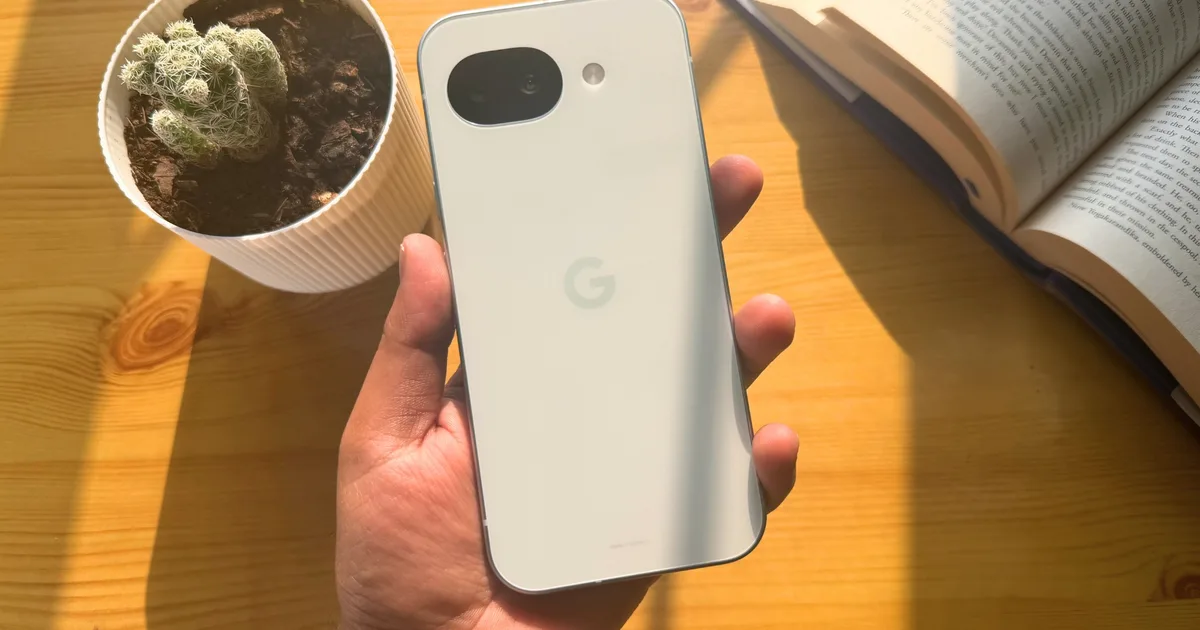
Google’s affordable Pixel just got a lot less affordable. The Pixel 10a now starts at $599 in the US, a hefty $100 increase over its previous $499 asking price. The 256GB version got the same treatment, rising from $599 to $699.
Google hasn’t officially announced the Pixel 10a hike yet, but the move hardly comes out of nowhere. Earlier this year, the company warned that a severe, supplier-driven memory crisis might affect Pixel phones that have already been sold.
Google warned us that this could happen
When the Pixel 10a launched in March, its $499 starting price was a big part of the appeal. It gave buyers a cheaper way into the Google smartphone ecosystem without jumping to the flagship Pixel lineup. This value proposition took a pretty significant hit overnight. Google’s own hardware leadership previously hinted at an unprecedented increase in memory prices, saying the company absorbed those increases as long as it could before passing some of the pain on to customers.

The problem goes far beyond Google. Samsung has just raised prices on its Galaxy S26 lineup, with most configurations increasing by $100 and the 1TB Galaxy S26 Ultra jumping by $200. Rising memory and storage costs were also at the center of Samsung’s warnings. The timing also raises a question mark about the upcoming Pixel 11a. Google’s next affordable phone has already leaked ahead of a possible spring launch, but with the current model getting a price hike, the question is how much Google will pay for the next generation.
Waiting probably won’t make things any cheaper
Unfortunately, anyone hoping this is a short-lived problem may be disappointed. Micron says it has already sold most of its 2027 memory output, and buyers next year are expected to pay significantly more than they did in 2026.
Micron CEO Sanjay Mehrotra expects demand to continue to exceed supply through 2027 and 2028, with conditions potentially worsening before improving. The company is building new factories, but even those are not expected to bring immediate relief when production begins. AI hardware takes up huge amounts of memory capacity, leaving consumer electronics to scramble over what’s left. So if you’re planning to buy a new device or upgrade an old one, it’s better to do it now than to wait and be hit with another potential price increase.