 Skip to content
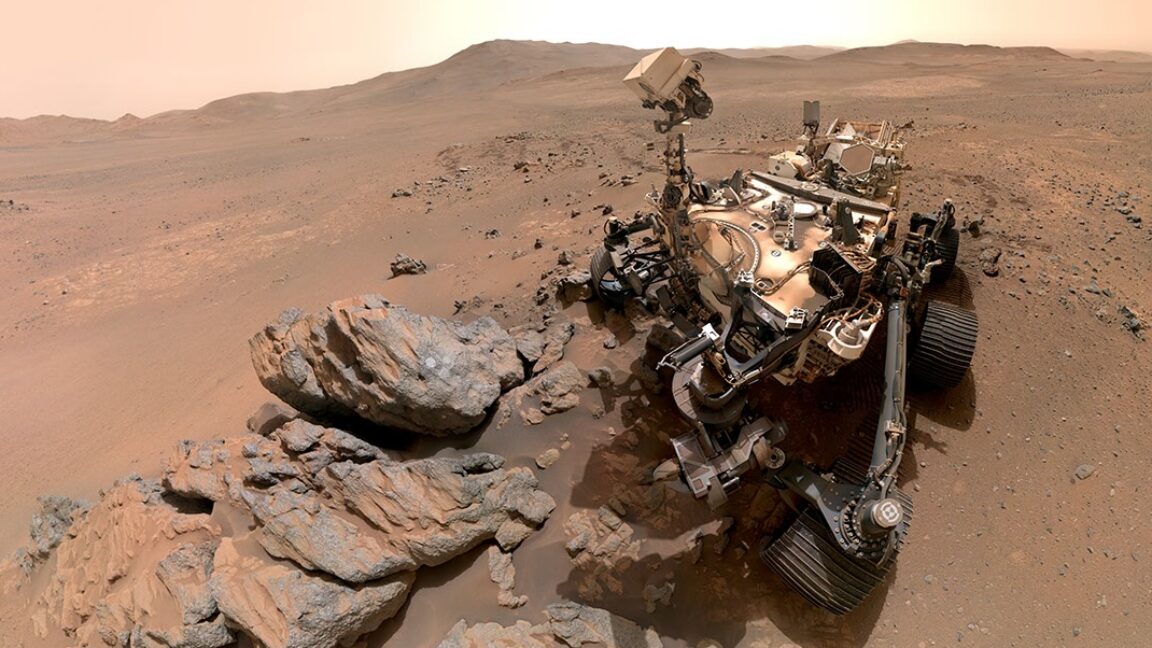
The six-wheeled robot broke a record last month for the farthest any vehicle has driven on another planet. The Perseverance rover surpassed the 28.06-mile (45.16-kilometer) record set by NASA’s Opportunity rover, which ceased operations in 2018. The Perseverance rover’s mileage performance is twice the rover’s initial distance target.
Running on smoke
The situation with the Odyssey orbiter seems more dire. One of the four reaction wheels used to point the spacecraft stopped spinning in early November, leaving the Odyssey with just two good wheels after the first reaction wheel failed in 2013. An orbiter needs at least three wheels to maintain proper orientation.
JPL Odyssey project scientist Jeffrey Plaut said in a presentation earlier this year that Odyssey was running low on propellant before the reaction wheel failed, but managers are optimistic that the orbiter will have enough fuel to continue operating at least until the end of 2028 due to “extremely low” fuel use.
aging infrastructure
Odyssey is one of four orbiters NASA uses to relay data between Earth and the Perseverance and Curiosity rovers on the Martian surface. Curiosity is still driving and collecting data after 14 years oniosity is still driving and collecting data after 14 years on Mars. The other three relay spacecraft are NASA’s Mars Reconnaissance Orbiter (which arrived at the Red Planet in 2006), the European Space Agency’s 10-year-old ExoMars Trace Gas Orbiter, and ESA’s 23-year-old Mars Express spacecraft.