Most Chinese smartphone brands have mastered a familiar flagship formula: put the latest Snapdragon chip inside, throw in a ridiculous amount of RAM, quote some eye-popping benchmark numbers and call it a day. However, Xiaomi seems to be playing a slightly different game with the 18 Pro and 18 Pro Max.
I got to try both phones at the Snapdragon Summit, and while Qualcomm’s latest silicon is obviously a big part of the story, Xiaomi doesn’t stop there. Both phones bring Leica-branded cameras, excellent displays on both sides, hardware-level privacy features, lots of AI tricks, and absolutely massive batteries.
And unlike the previous generation, both the Pro and Pro Max finally went to global markets before the end of the year. That makes them significantly more interesting than just another China-exclusive spec monster. On paper, at least, Xiaomi ticks an awful lot of flagship boxes at once.
These phones are surprisingly easy to hold
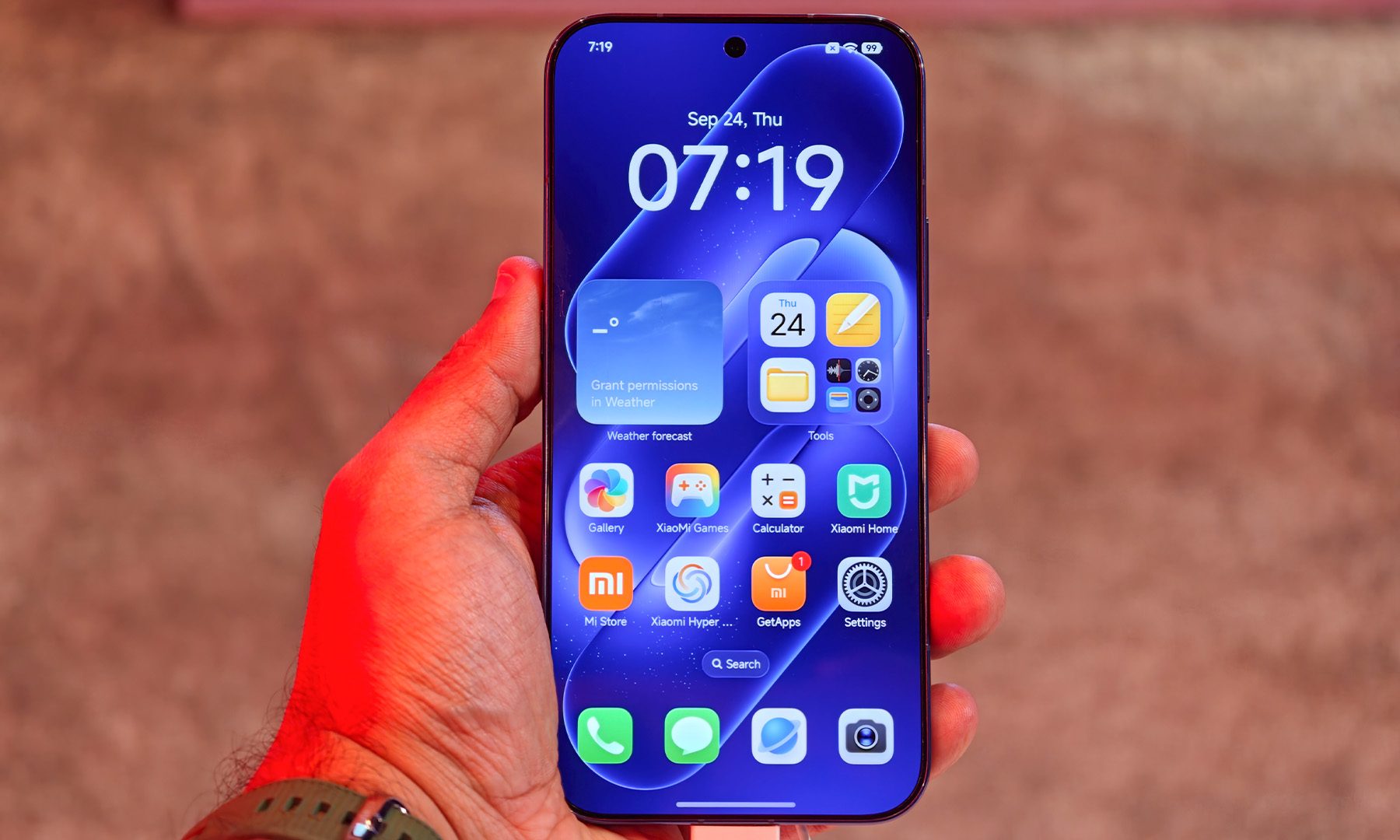
The first thing that caught my eye was the design. Both phones look clean and understated, especially from the front, where the extremely slim bezels and flat displays immediately caught my attention. I’ve always been a fan of flat screens, so Xiaomi immediately gets some brownie points from me.
The curved edges around the frame also make the phones comfortable to grip, and neither device feels uncomfortable despite the amount of hardware Xiaomi has squeezed inside.
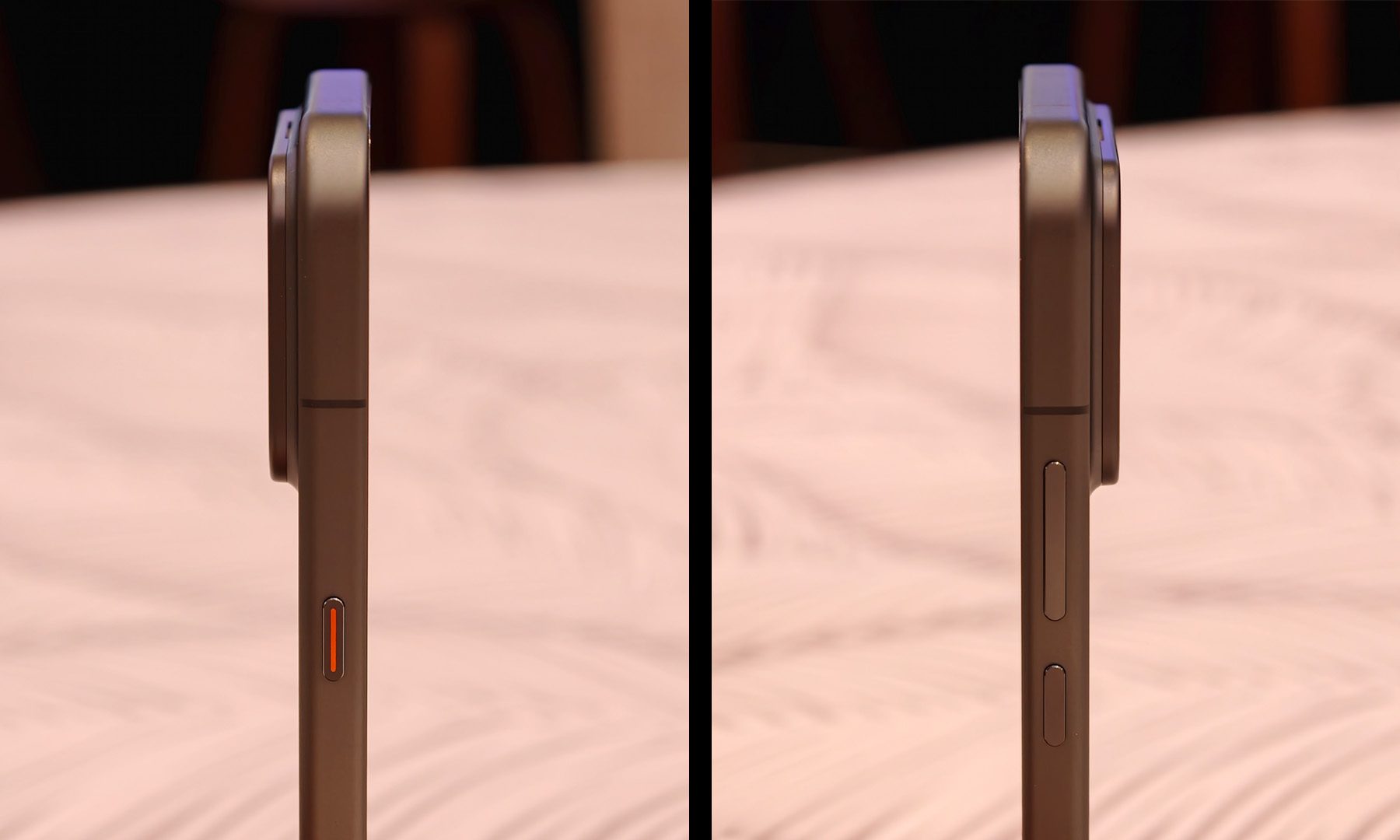
That last bit is especially impressive when battery numbers come into the conversation. The 18 Pro packs a 7,000mAh cell, while the Pro Max is completely bonkers with an 8,500mAh battery. However, while in my hand, neither felt like the kind of phone that secretly doubles as a dumbbell. Both were surprisingly ergonomic and easy to handle.
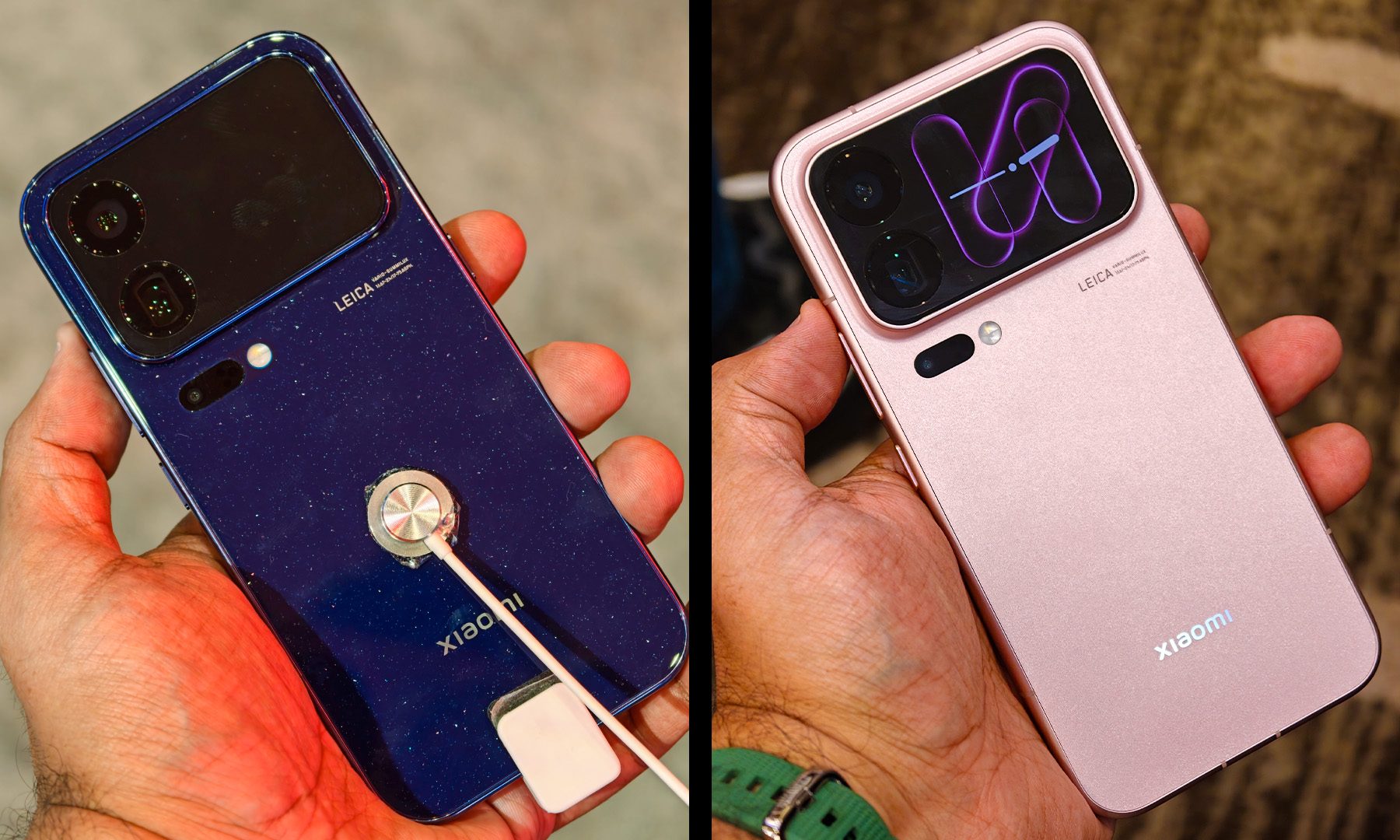
I also got to see the blue, pink and gray finishes, and the gray is easily my favorite. It has a polished, almost gunmetal-like appearance that looks premium without trying desperately to advertise it.
The rear display finally has a job
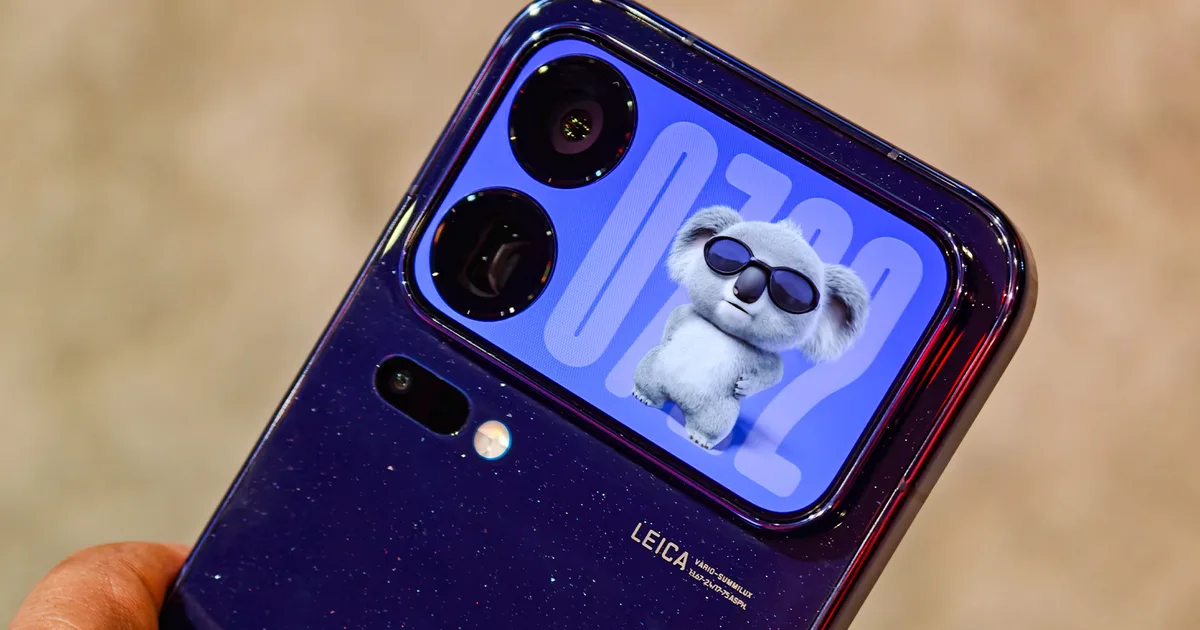
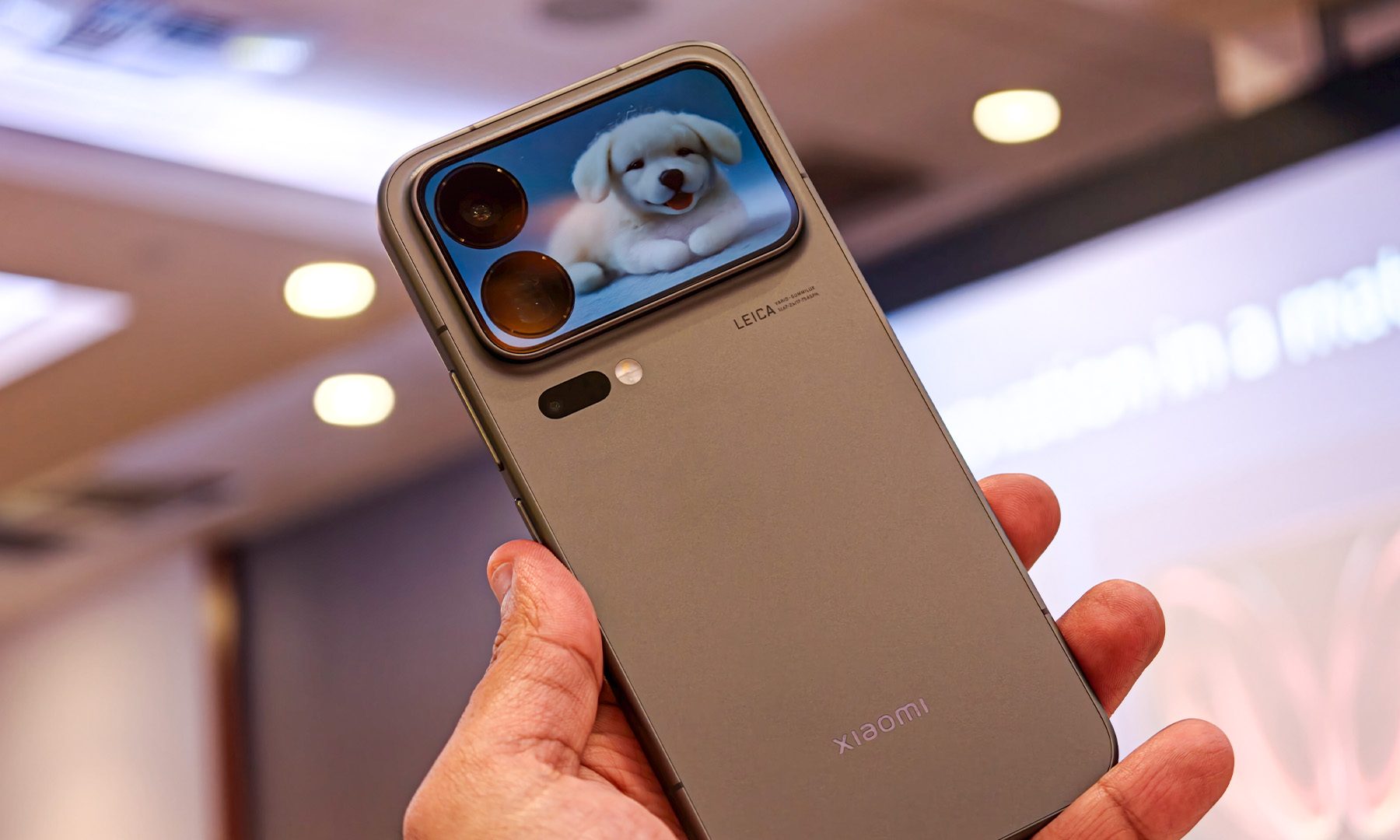
Xiaomi is not exactly new to the rear display party. The Xiaomi 17 Pro has already experimented with the idea, but the 18 Pro series makes a much stronger case for keeping that secondary screen around. It can handle notifications, quick access features, widgets and other interactive elements, while also doubling as a viewfinder when taking photos with the main camera array.
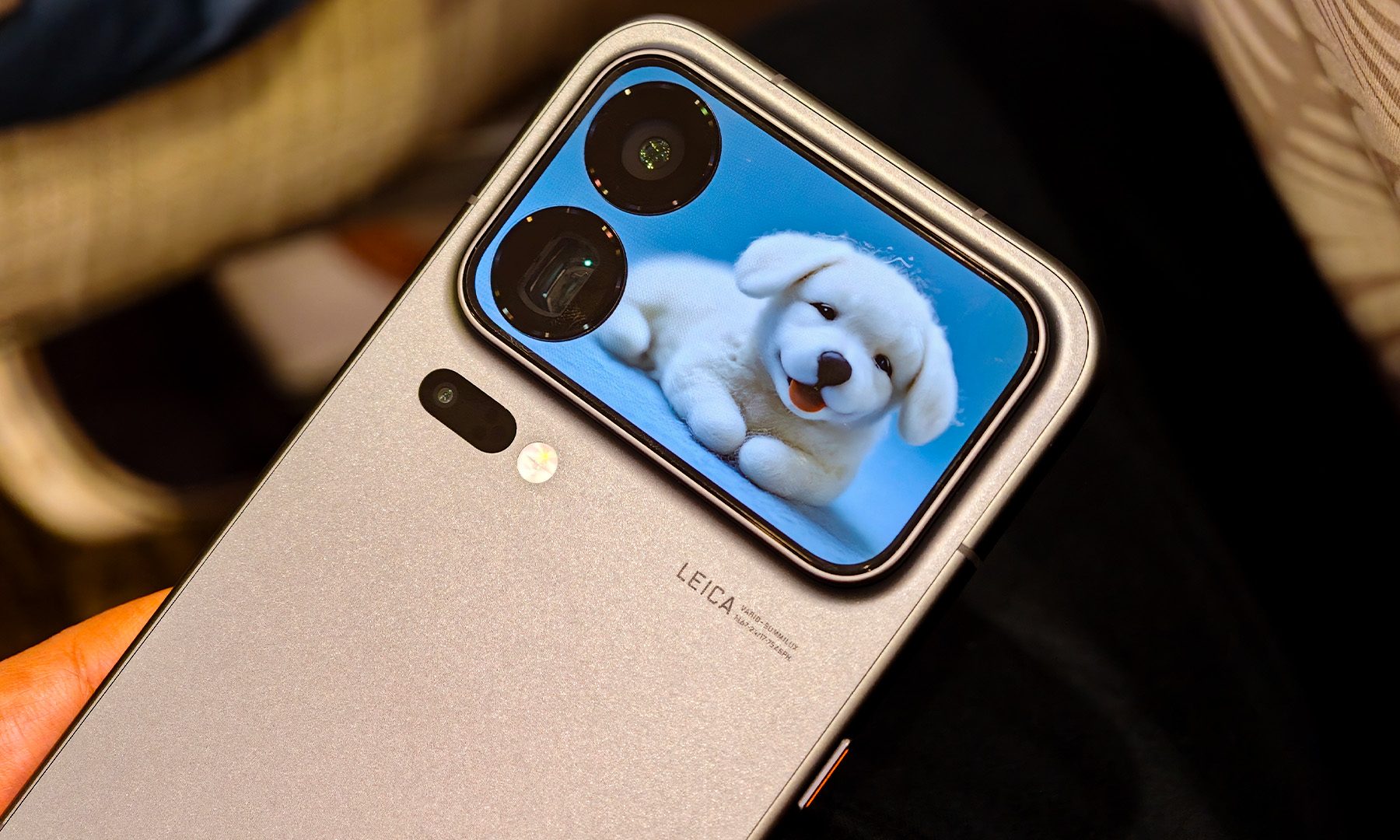
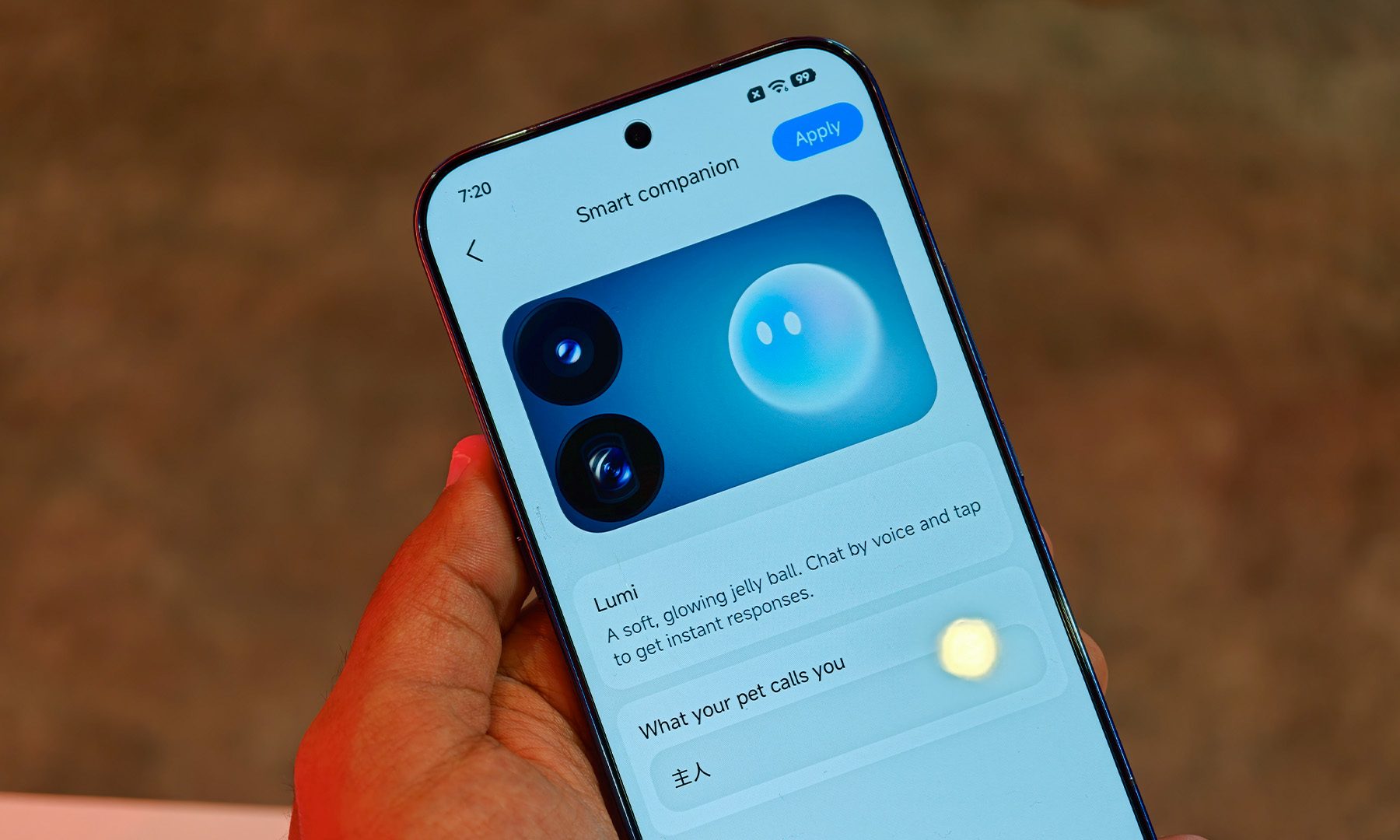
One feature that caught my attention was Lumi, Xiaomi’s smart companion. I only got basic hands-on time with it in the demo area, so I won’t pretend I’ve uncovered all its tricks, but it does give the rear screen a distinct personality.
Xiaomi has also added small application cards for visible tasks – such as live step counts, media controls and timers. In other words, the rear screen is slowly evolving from “just a nice panel on the opposite side” into something truly functional.
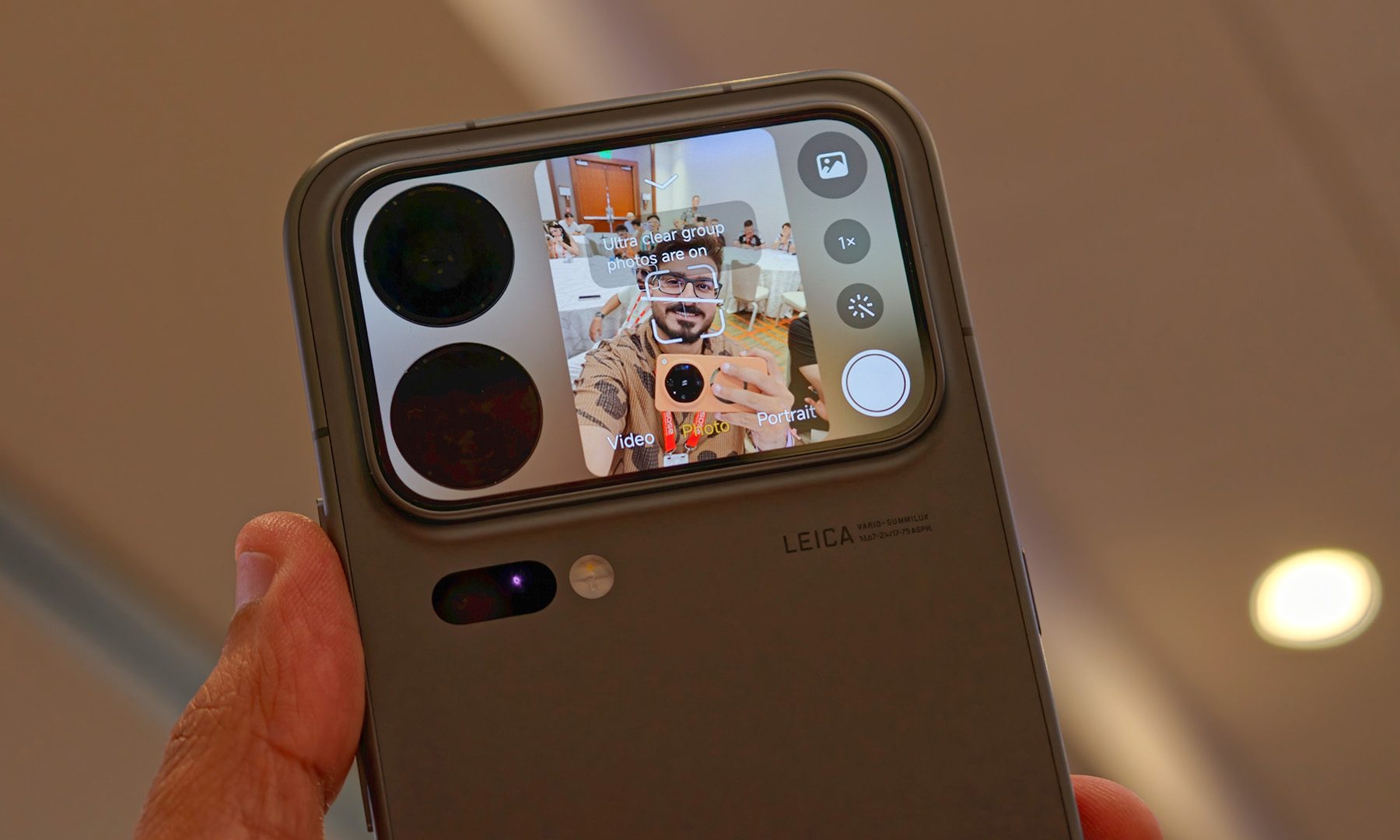
The camera viewfinder, however, is the easiest feature to appreciate right away. I compared a selfie taken with the standard front-facing camera to one captured with the 200MP rear sensor while framing it through the secondary screen. As expected, the difference was massive.

The rear camera provided significantly more detail, while the natural optical bokeh made the image look much better than if it came from a dedicated camera. Suddenly that extra screen doesn’t seem quite so silly.
The Snapdragon muscle is only half the story
Performance was predictably fast during my limited time with both phones. The 18 Pro gets Qualcomm’s Snapdragon 8 Elite Gen 6, while the Pro Max steps things up a notch with the Snapdragon 8 Elite Extreme Gen 6. Xiaomi also continued its familiar tradition of being among the first manufacturers to put Qualcomm’s latest flagship silicon in a shipping device.
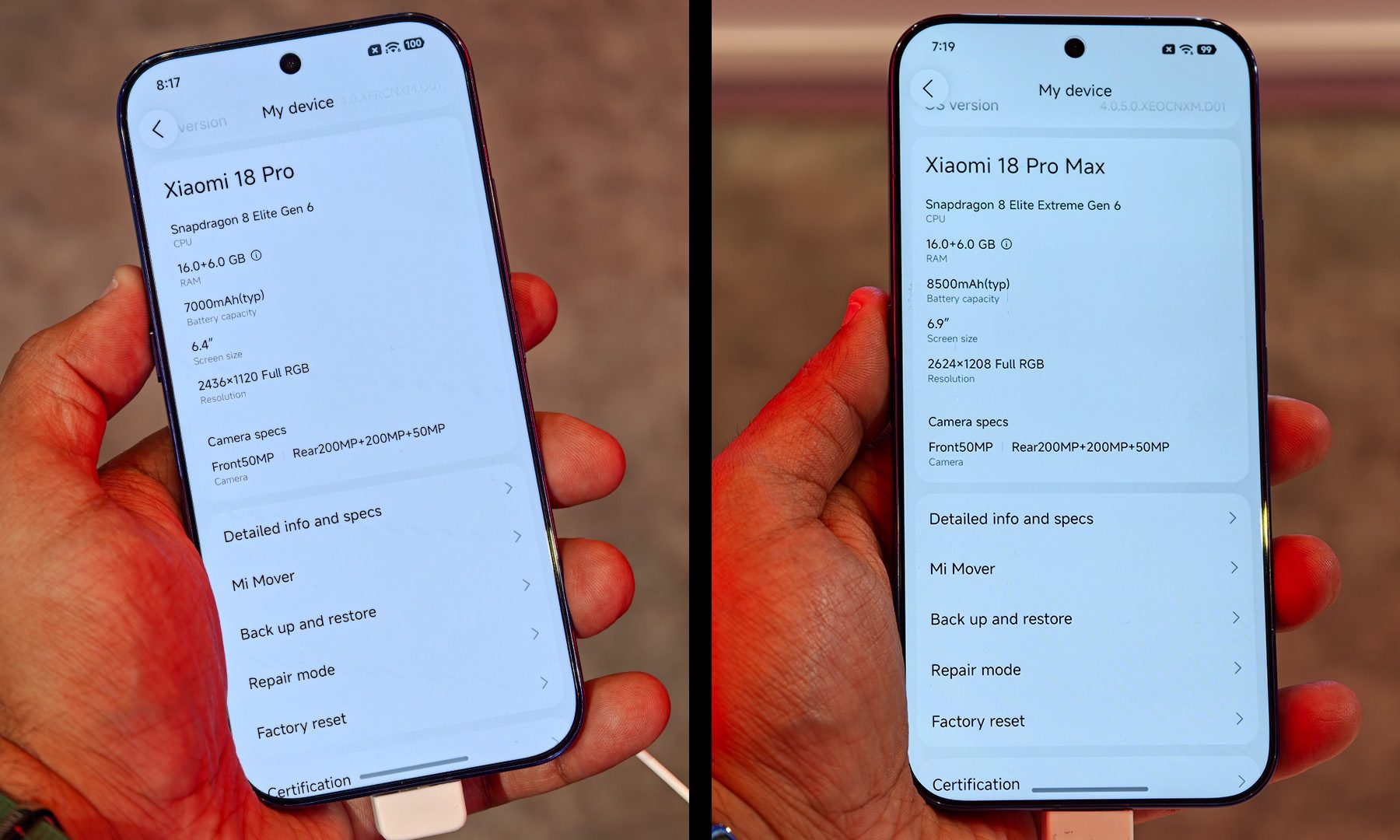
You’ve already seen the benchmark scores online, so let’s skip that and talk about real-world usage. Both devices felt fast, responsive and befitting of a flagship. More importantly, however, Xiaomi did not treat raw processor power as the only headline while forgetting everything else.
The new silicon works alongside serious camera optics, huge batteries, high-end displays, and a growing layer of AI features. That’s what makes the 18 Pro Series so compelling: the raw horsepower is just one piece of a much bigger puzzle.
The privacy display needs some privacy
This is where my enthusiasm gets a little more complicated. Xiaomi’s hardware-level privacy display is clever, especially since it manages to preserve color quality better than Samsung’s approach. I didn’t have the Galaxy S26 Ultra with me for a proper side-by-side test, but the difference was immediately apparent to me.
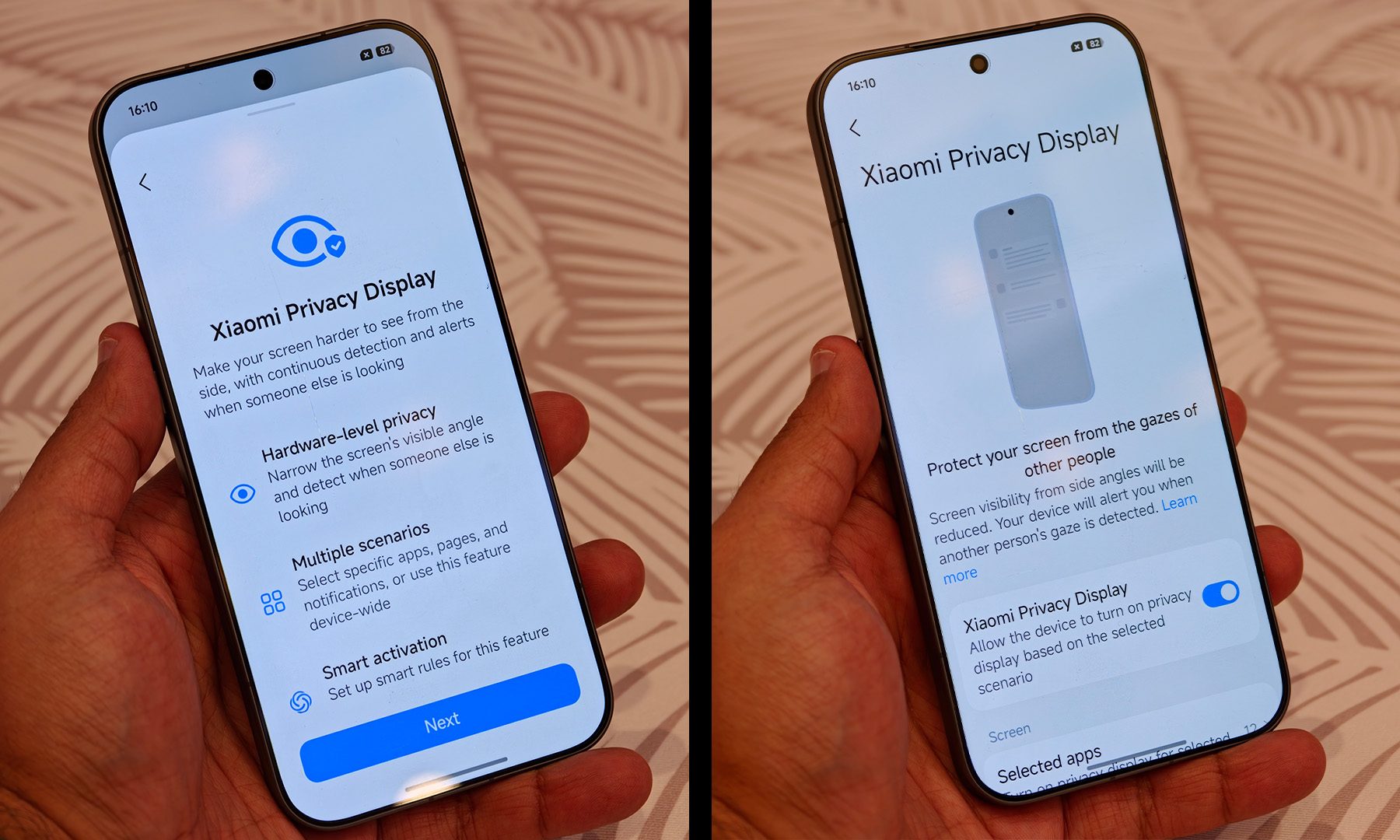
Color was one of the first things I noticed when I tried Samsung’s privacy display, and the effect is hard to see. Fortunately, Xiaomi’s implementation does not seem to suffer from the same compromise. Even with Privacy Display turned on, the colors on the 18 Pro remain noticeably more vibrant and natural. Xiaomi also lets users hide specific apps or even certain parts of an app, which I found really useful.
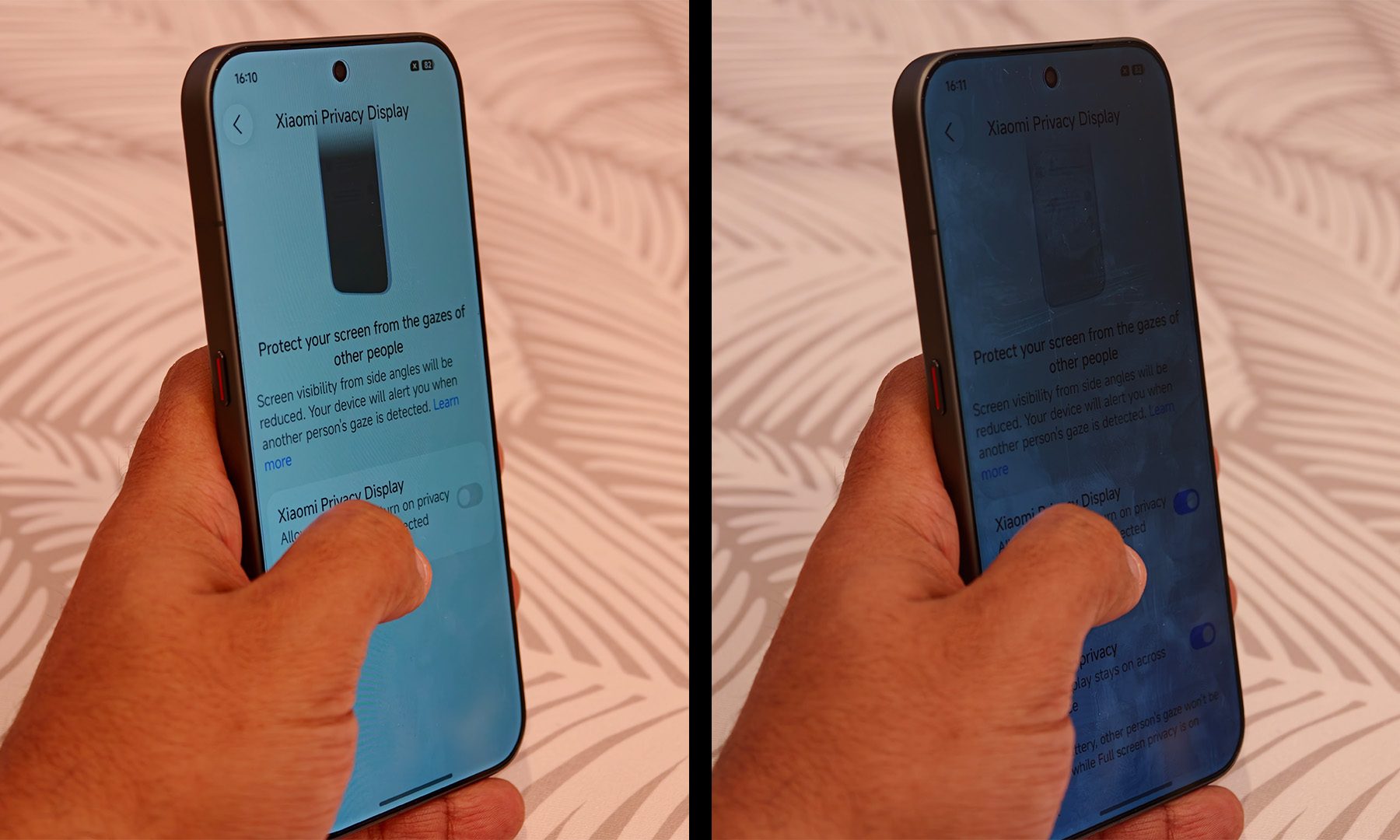
However, Samsung wins if the main goal is simply to make the screen completely unreadable for someone standing next to you. With Xiaomi’s privacy display enabled, the screen gets darker from an angle, but I could still make out what was happening on it.
So there’s an interesting trade-off here: do I want my display to look better, or do I want my privacy shield to work harder?
Still, after trying both phones, I’m impressed with the bigger picture. The Xiaomi 18 Pro and Pro Max are not just spec-sheet monsters. Xiaomi seems to be trying to build a complete flagship experience. And with both phones finally going global, I’m very curious to see how this approach stacks up against the iPhone 18 Pro, Galaxy S26, and Pixel 11 once full review units land.