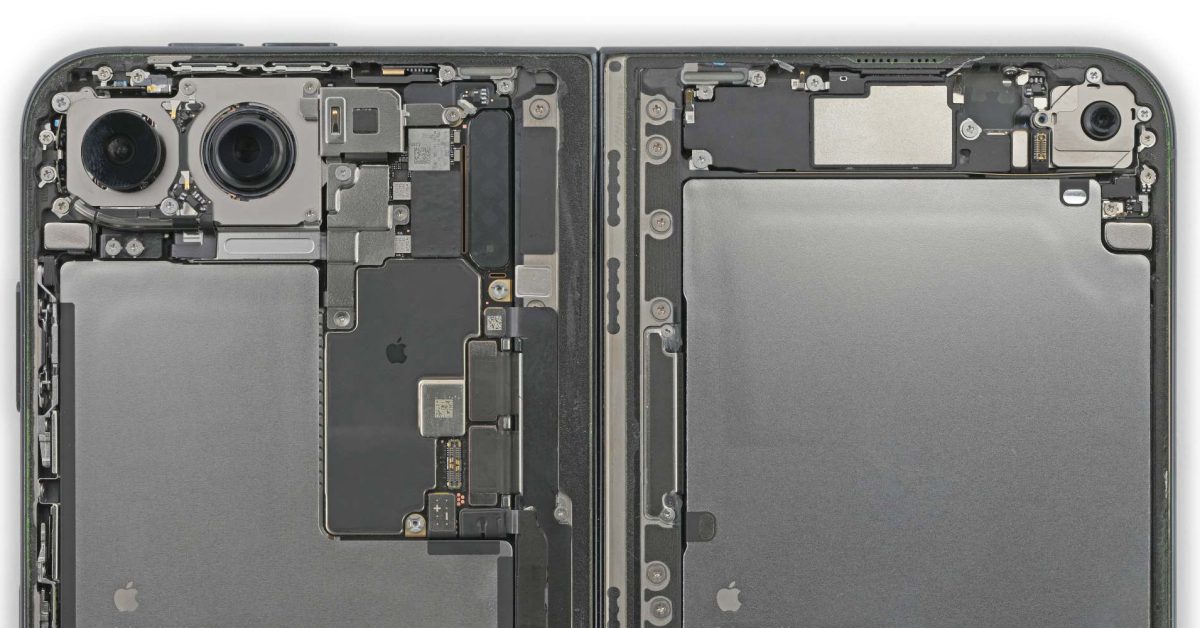
iFixit’s teardown of the iPhone Duo is up, revealing some interesting (and some disturbing) details about what it calls the most repairable foldable phone yet. Here are the details.
You know the drill: new iPhone, now tear down iFixit
iFixit’s much-anticipated teardown of the iPhone Duo is now live. Among the many interesting findings of its disassembly process, perhaps the most positively surprising is its repair score: the iPhone Duo gets a 5 out of 10, which iFixit says is the highest score it has ever received for a foldable smartphone.
Granted, this is a provisional score, depending on the availability of spare parts, but it’s still an encouraging result for Apple’s first foldable.
As usual, the teardown is very detailed, and I encourage you to watch the video below and read iFixit’s in-depth blog post here.
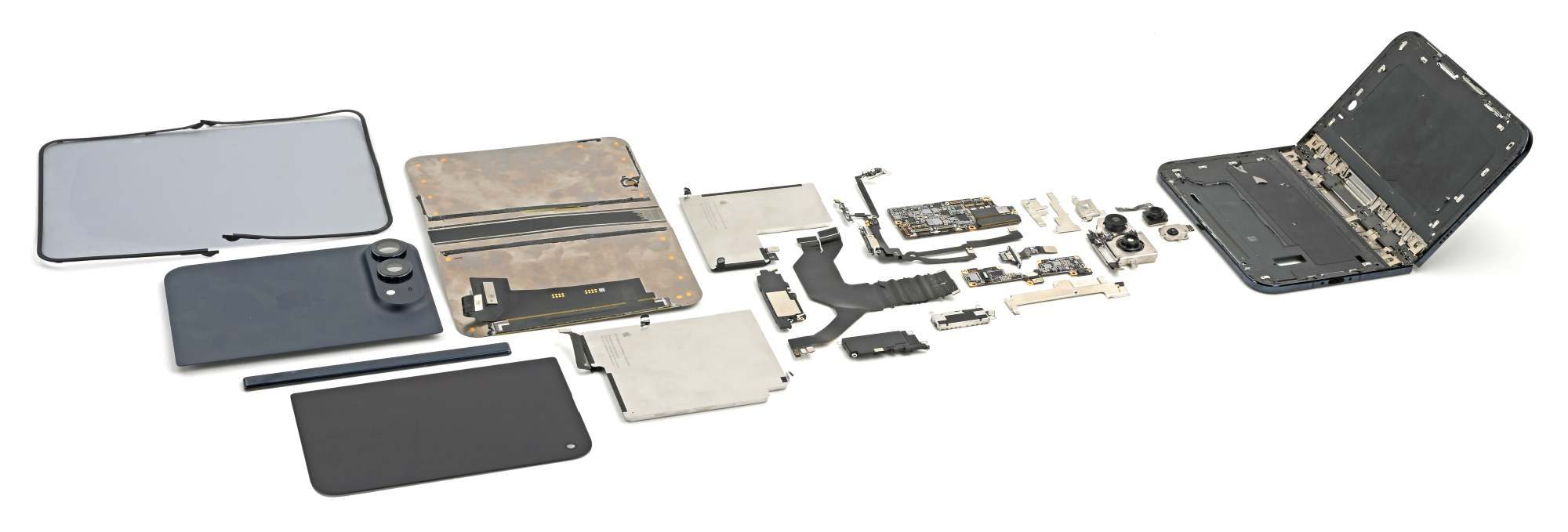
Not surprisingly, much of the teardown focuses on the hinge, which is the biggest novelty of this iPhone. As iFixit notes, Apple’s patents have offered clues about its design for years. Still, now that it’s here, the breakdown reveals an even more complicated and fascinating mechanism than that filing suggests.
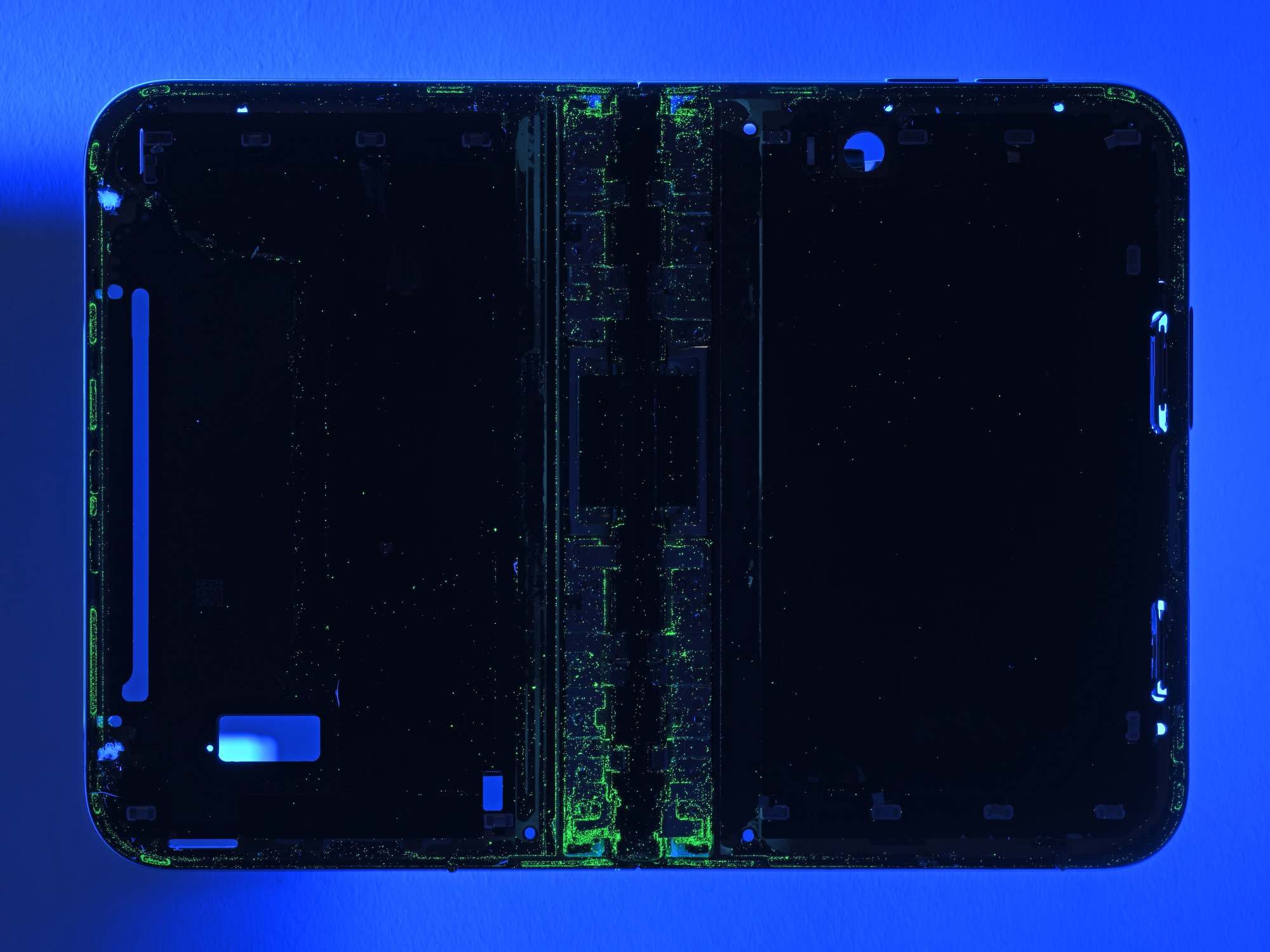
iFixit’s teardown begins with its now-traditional fluorescent dust test, which lets the team track how dust particles enter the device as they tear it down.
The iPhone Duo has an IP68 rating, which means it is dustproof and can be submerged under water up to 6 meters deep for 30 minutes.
Right off the bat they notice that the hinge starts making creaky sounds after the dust test. As the separation continued, however, they found that relatively little dust made its way into the hinge, especially compared to other foldable phones they’ve tested.
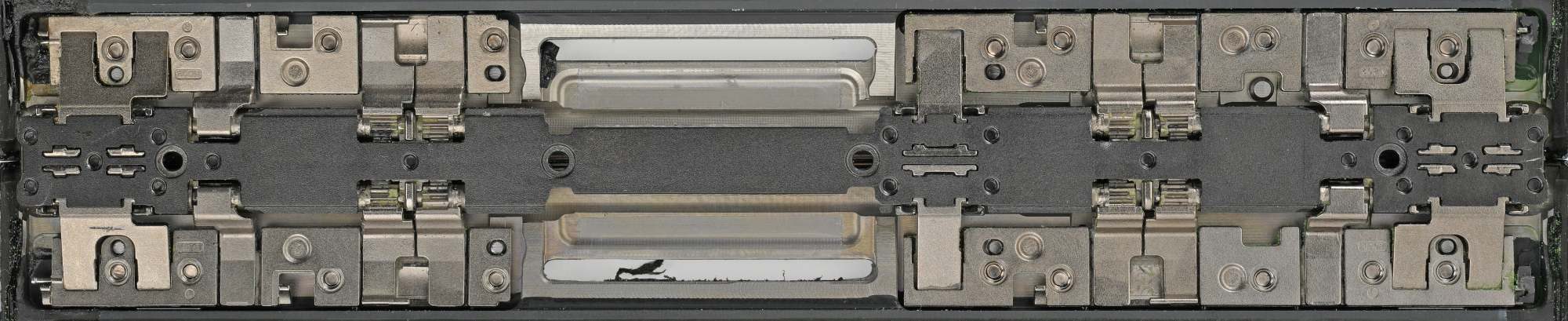
The hinge itself has a complicated combination of gears, springs, and connected metal hinges, along with a waterdrop design that makes room for the display to bend without snapping too sharply. This waterdrop design is pretty common for foldable phones so far, although Apple’s implementation adds some interesting engineering tricks of its own.
Apple also uses curved guides to control how the hinges move, to reduce the stress placed on the display as the phone opens and closes.
About the screen error
Speaking of stress, however, iFixit found several possible culprits for the early screen failures reported by iPhone Duo owners, many of whom described hearing a crunch when unfolding or unfolding the device, followed by bright lines appearing across the inner display.
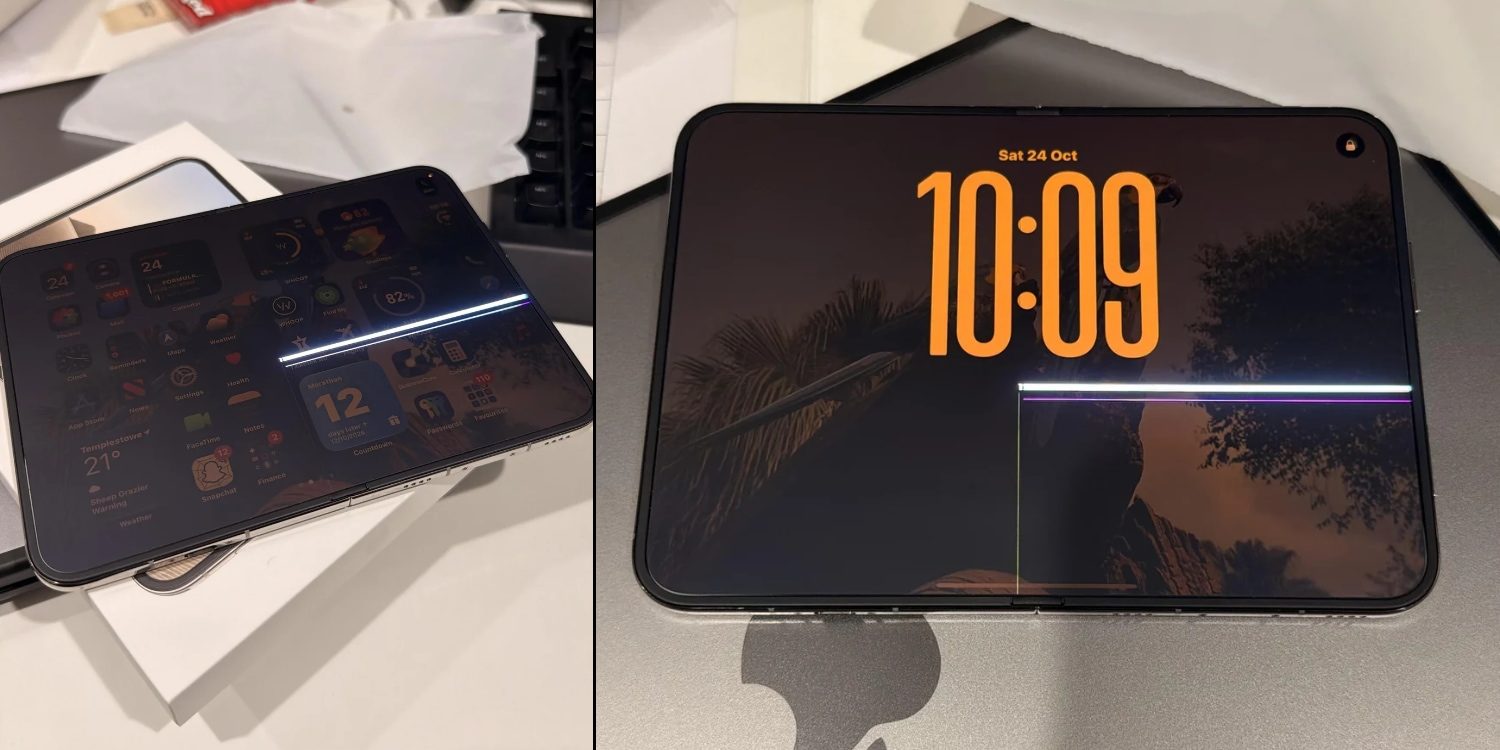
Interestingly, many of the reported failures seem to be around the same area of the display, near the transition between the opening for the cable that connects the two halves and the central hinge support.
Using CT scans, teardown footage, and Apple’s patents, iFixit built a 3D model of the hinge to investigate the possible causes of the damage.
One possibility is that a central support bar does not retract properly when the phone is closed, potentially putting excessive pressure on the screen. Another involves the curved rails that guide the movement of the hinge, which rise above the surrounding components during folding and can, in theory, interfere with the screen if they don’t move as planned.
iFixit also points out that several structural edges and components converge around the affected area, potentially concentrating stress on the delicate display layers.
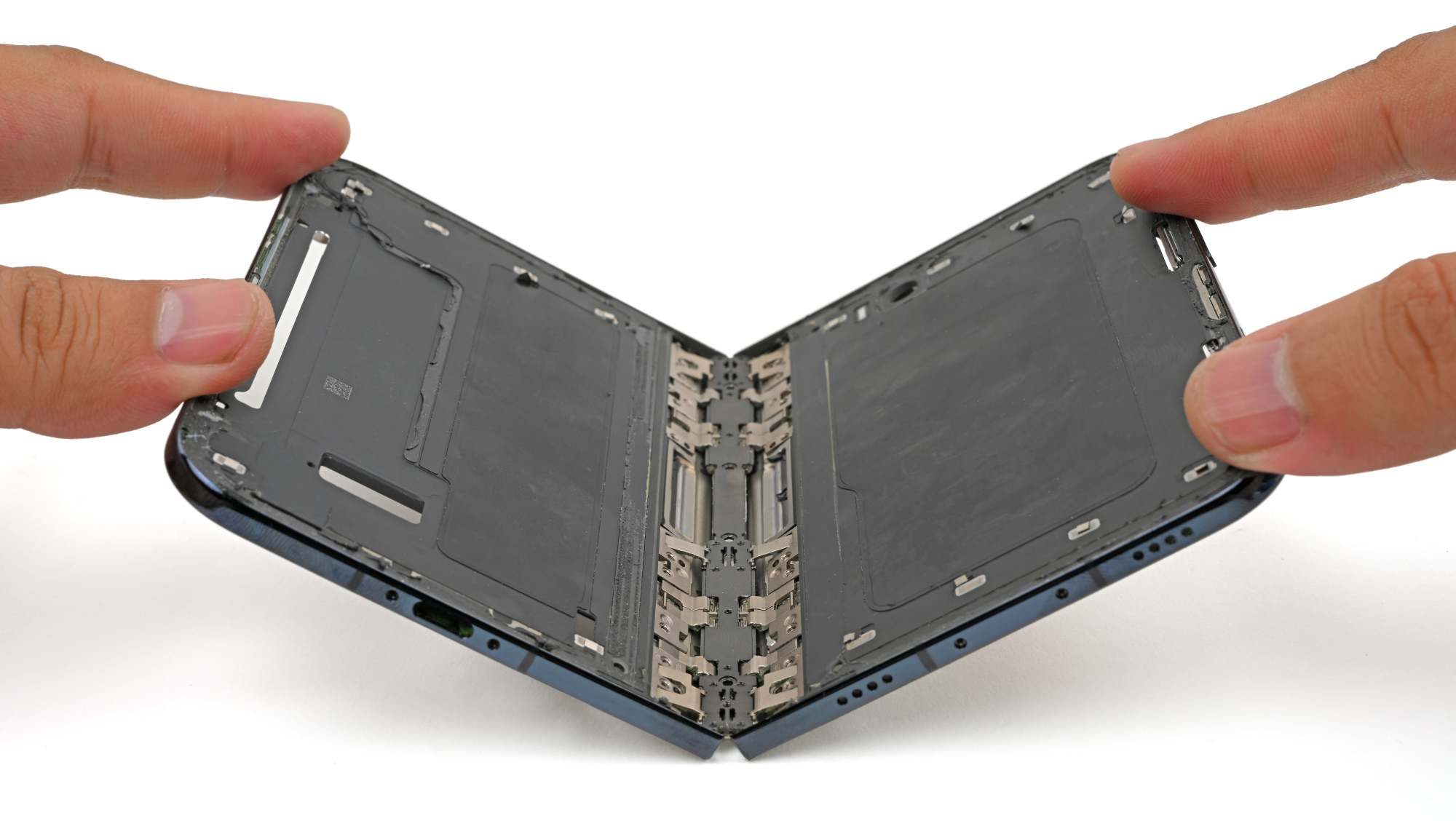
iFixit’s teardown doesn’t definitively determine what’s causing the failure, but the similarities between the reported damage and the hinge’s internal geometry give the team some promising leads for further investigation.
Other interesting things
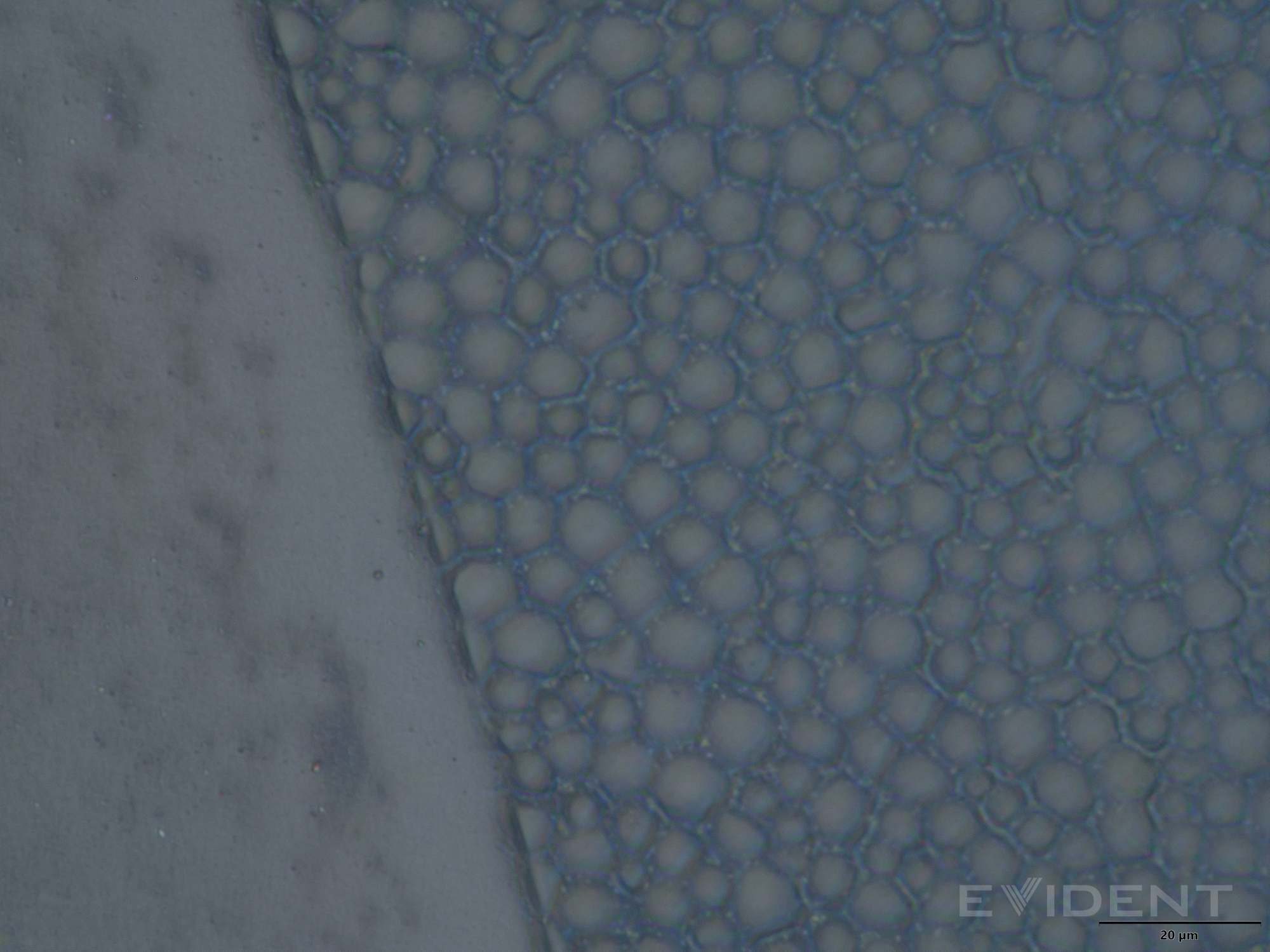
iFixit’s teardown also takes a closer look at the iPhone Duo’s matte nano-texture display, which Apple says helps disguise the fruit by diffusing reflected light. Under a microscope, the team found a surface covered in small rounded bumps that diffuse reflections, making the cancer less noticeable.
Another interesting discovery came from examining the display’s pixels under a microscope. iFixit noticed that some of the sub-pixels are oval-shaped and oriented in different directions, instead of following a uniform pattern.
iFixit notes that an Apple patent suggests that this arrangement could help reduce diffraction artifacts, possibly making the crack even less noticeable. The Teardown blog post offers a fascinating look at the pattern and how Apple uses it to make reflections less distracting.
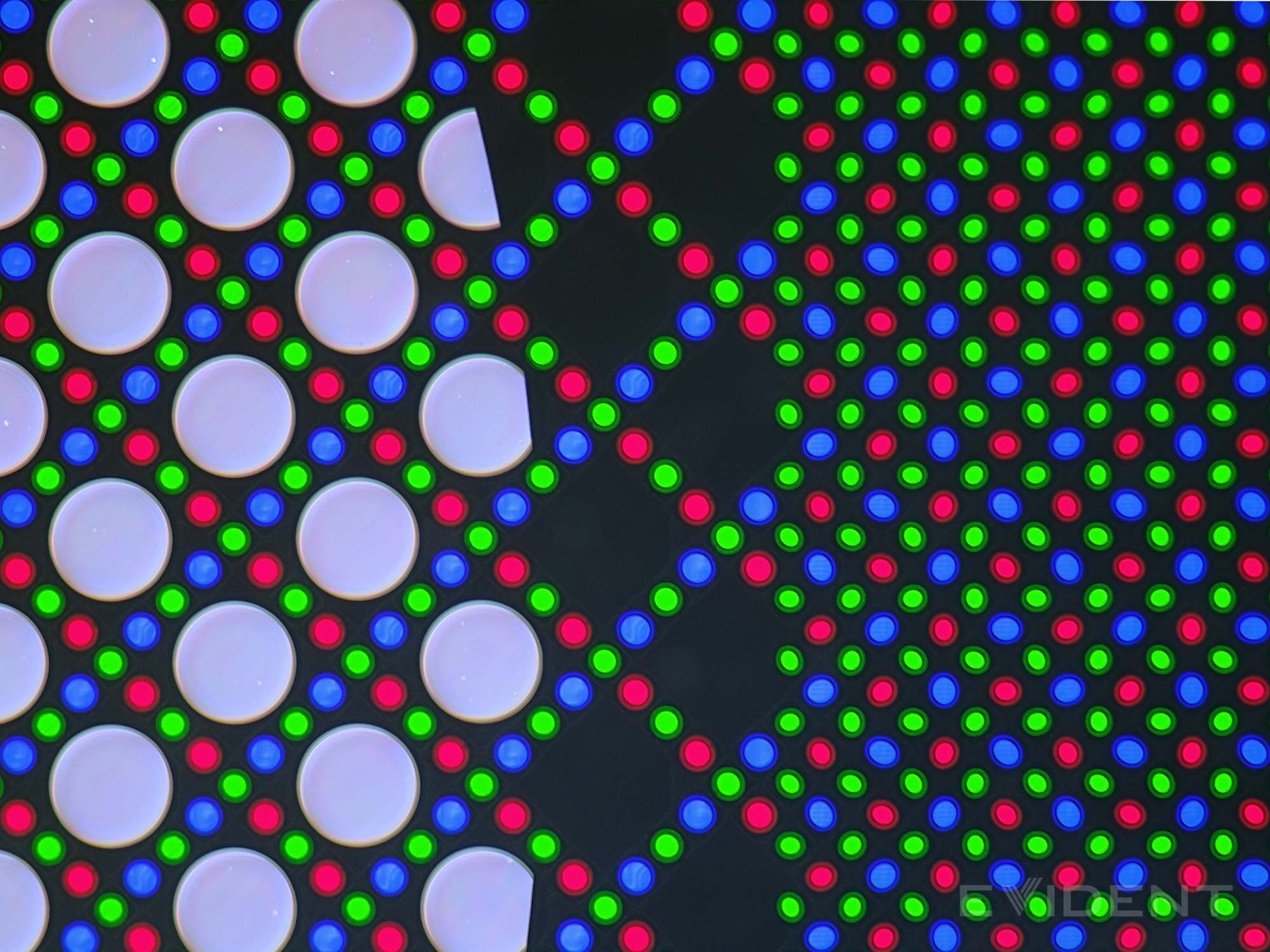
And speaking of pixels, iFixit also examined the area above the selfie camera of the inner display. Much like the under-display infrared camera on the iPhone 18 Pro, the Duo uses a modified pixel pattern with larger gaps that allow light to reach the camera below. In this area, the pixels are also rounder and more regularly arranged.
Finally, on the display, iFixit notes that the bezel around the inner screen can be removed without breaking, thanks to Apple’s use of clips instead of relying entirely on glue. The outer display is also surprisingly easy to remove, which is especially good news as some internal repairs require it first.
Moving on to the batteries, iFixit shows how Apple positioned the two cells, one under the back glass and the other under the outer display (which means replacing both requires opening both halves of the phone). The larger battery has a capacity of 11,567 Wh, while the smaller one is rated at 7,506 Wh, for a combined 19,073 Wh.
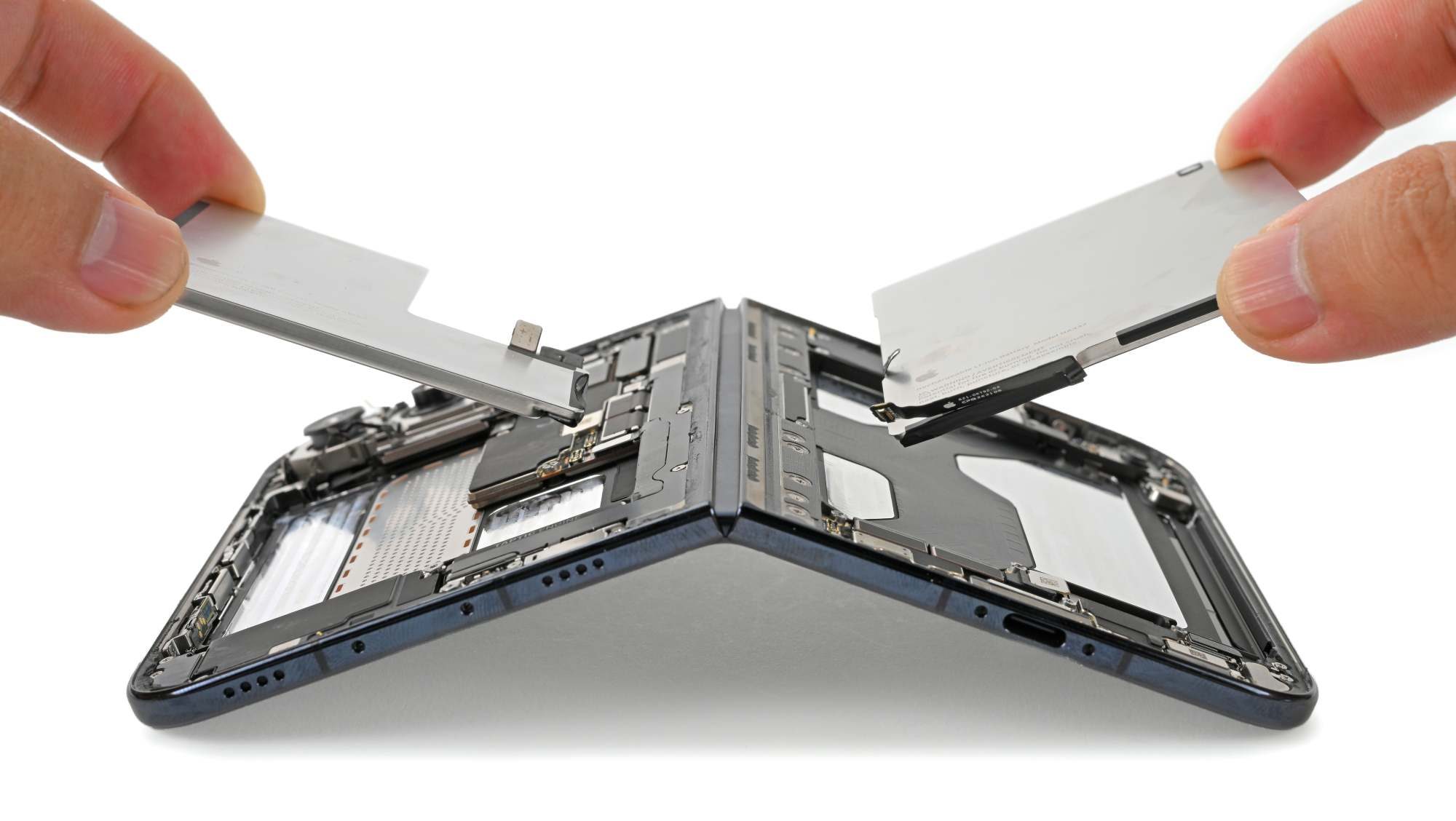
iFixit also praises Apple’s use of electrically releasable adhesive on both batteries, which allows them to be removed without forceful prying. The team called it the best battery removal experience it has seen in a foldable smartphone.
The teardown also explores the iPhone Duo’s new logic board design, the multiple layers of the display and how they move independently to accommodate folding, and you can watch it in full below:
For iFixit’s in-depth blog post on the iPhone Duo teardown, follow this link.
Worth checking out on Amazon


FTC: We use income earning auto affiliate links. More.