 Skip to content
follow us
Add us as a top source on Google
In the past, choosing an iPhone that suited your needs was a simple process. Apple’s SE models cater to the budget crowd, its standard models are for people who want the full iPhone experience, and its Pro models are for people who want a top-of-the-line camera phone with strong battery life.
These days, the lines between iPhone options are even more blurred—Apple currently sells seven different models, but the most expensive iPhone doesn’t necessarily offer the best features. In some cases, you pay more and get less.
Whenever I’m asked to recommend an iPhone, my default answer is the iPhone 17. Apple’s current standard model remains the best value in the iPhone lineup, and while it will be replaced by the iPhone 18 in March or April next year, its chipset, display, and cameras will still impress for years to come.
Latest videos fromTechnology Radar
But what if you want something a little more distinctive? In 2026, Apple will offer three distinct types of “special” iPhones—iPhone 18 Pro, iPhone Air, and iPhone Duo—each catering to a different type of user.
I’ve spent a lot of time with all three models, and in this guide I’ve summarized my thoughts on each and highlighted the key, experience-changing differences between them to help you decide which one to buy if you’re currently on the fence. If you do pick up one of these iPhones after reading this, I’ve listed out today’s best deals, or you can head to our Black Friday iPhone deals page for more of the latest deals.
Specification
Before we dive into the most meaningful differences between the iPhone 18 Pro, iPhone Air, and iPhone Duo, here’s an overview of the key specs for all three phones.
Swipe to scroll horizontally
| Title Cell – Column 0 | iPhone 18 Pro | iPhone Air | iPhone dual core |
|---|---|---|---|
| Price (suggested retail price): | US$1,199 / £1,199 / AU$2,099 | US$1,099/£1,099/AU$1,899 | US$1,999 / £1,999 / AU$3,499 |
| aspect: | 150×71.9×8.8 mm | 156.2×74.7×5.6mm | 117.8 x 84.1 x 11.3 mm (folded) / 117.8 x 164.6 x 5.2 mm (unfolded) |
| weight: | 211 grams | 165g | 254 grams |
| exhibit: | 6.3-inch Super Retina XDR OLED | 6.5-inch Super Retina XDR OLED | 7.6-inch Super Retina XDR OLED (foldable)/5.4-inch Super Retina XDR OLED (cover) |
| Refresh rate: | 1Hz–120Hz | 1Hz–120Hz | 1Hz–120Hz |
| Peak brightness: | 3,000 nits | 3,000 nits | 3,000 nits |
| Chipset: | A20 Professional Edition | A19 Professional Edition | A20 Professional Edition |
| Memory: | 12GB | 12GB | 12GB |
| Rear camera: | 48MP main camera, 48MP ultra-wide angle, 48MP telephoto (4x optical zoom) | 48MP main | 48MP main camera, 48MP ultra-wide angle |
| Front camera: | 18MP | 18MP | 12MP cover, 4MP under screen |
| Battery: | 4,288mAh (eSIM only)/4,056mAh (physical SIM) | 3,149 mAh | 4,883mAh |
| TOLL: | 50% within 15 minutes | 50% within 30 minutes | 50% within 20 minutes |
| Storage: | 256GB/512GB/1TB/2TB | 256GB/512GB/1TB | 256GB/512GB/1TB/2TB |
iPhone 18 Pro
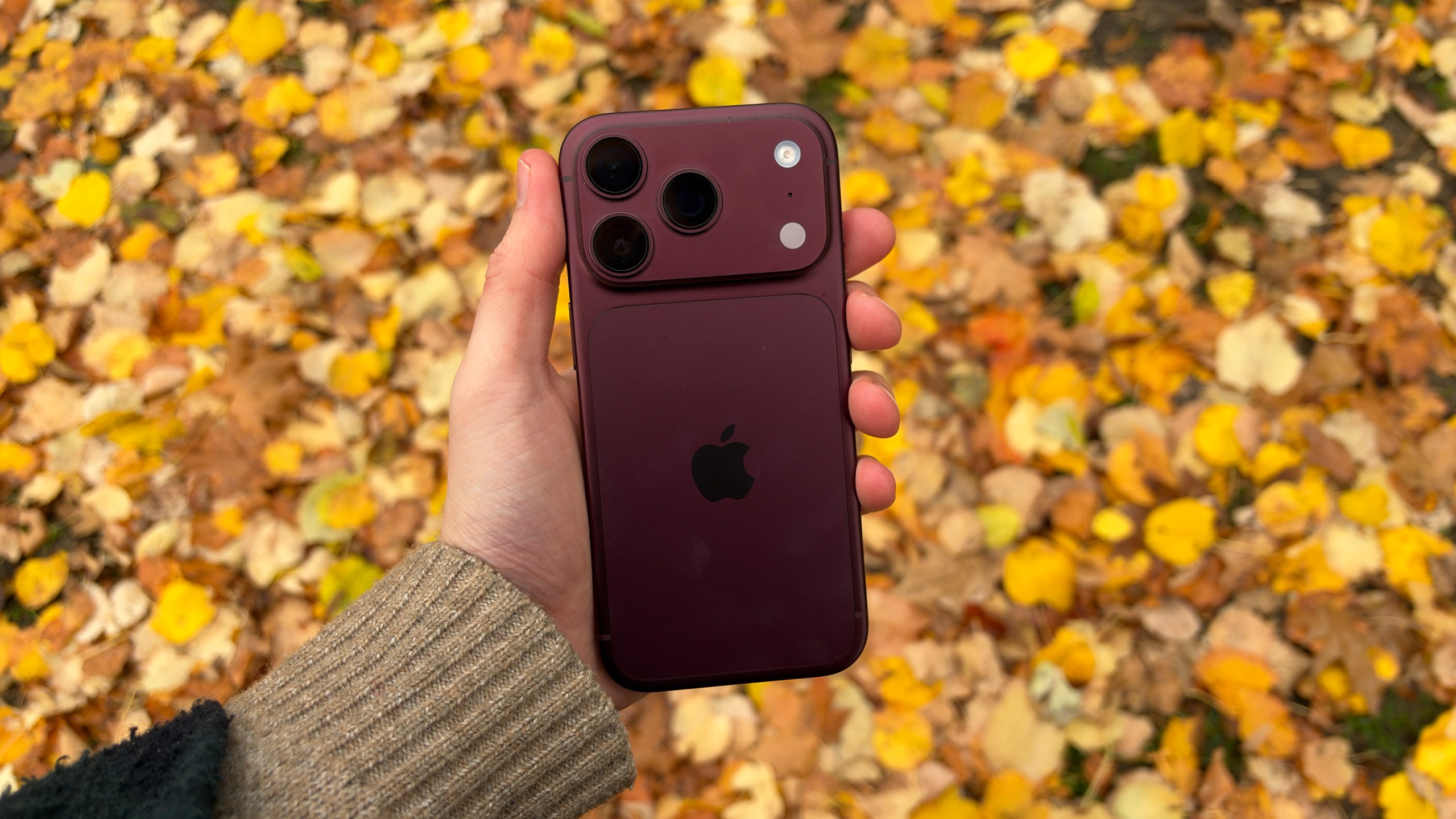
The iPhone 18 Pro wins TechRadar’s 2026 Phone of the Year award, and for good reason: It’s the Swiss Army Knife of modern flagships, and it’s the way to go if you want the best camera, longest battery life, and Apple’s familiar and proven iOS software.
Granted, the iPhone 18 Pro isn’t that exciting compared to the iPhone Air and iPhone Duo — it looks and feels basically the same as the iPhone 17 Pro, and even most of the Pro iPhones that came before it. But don’t mistake consistency for boring; quite the opposite. The iPhone 18 Pro is the only iPhone with all features rated 8/10 or better, and I guarantee you’ll miss out on at least one key feature of this phone if you choose the Air or Duo.
What are the advantages compared to iPhone Air?
More cameras (telephoto, ultra wide angle), longer battery life, slightly Faster chipsets, stereo speakers, slightly Faster wireless charging (25W)
What are the disadvantages compared to iPhone Air?
More expensive, thicker, heavier, smaller screen (unless you choose Pro Max)
iPhone Duo vs Pro?
Cheaper, more cameras (telephoto), Face ID, better selfie camera, slightly Longer battery life, thinner, lighter, crease-free display
Disadvantages compared to iPhone Duo?
Single screen, does not support stylus, does not support multitasking
iPhone Air
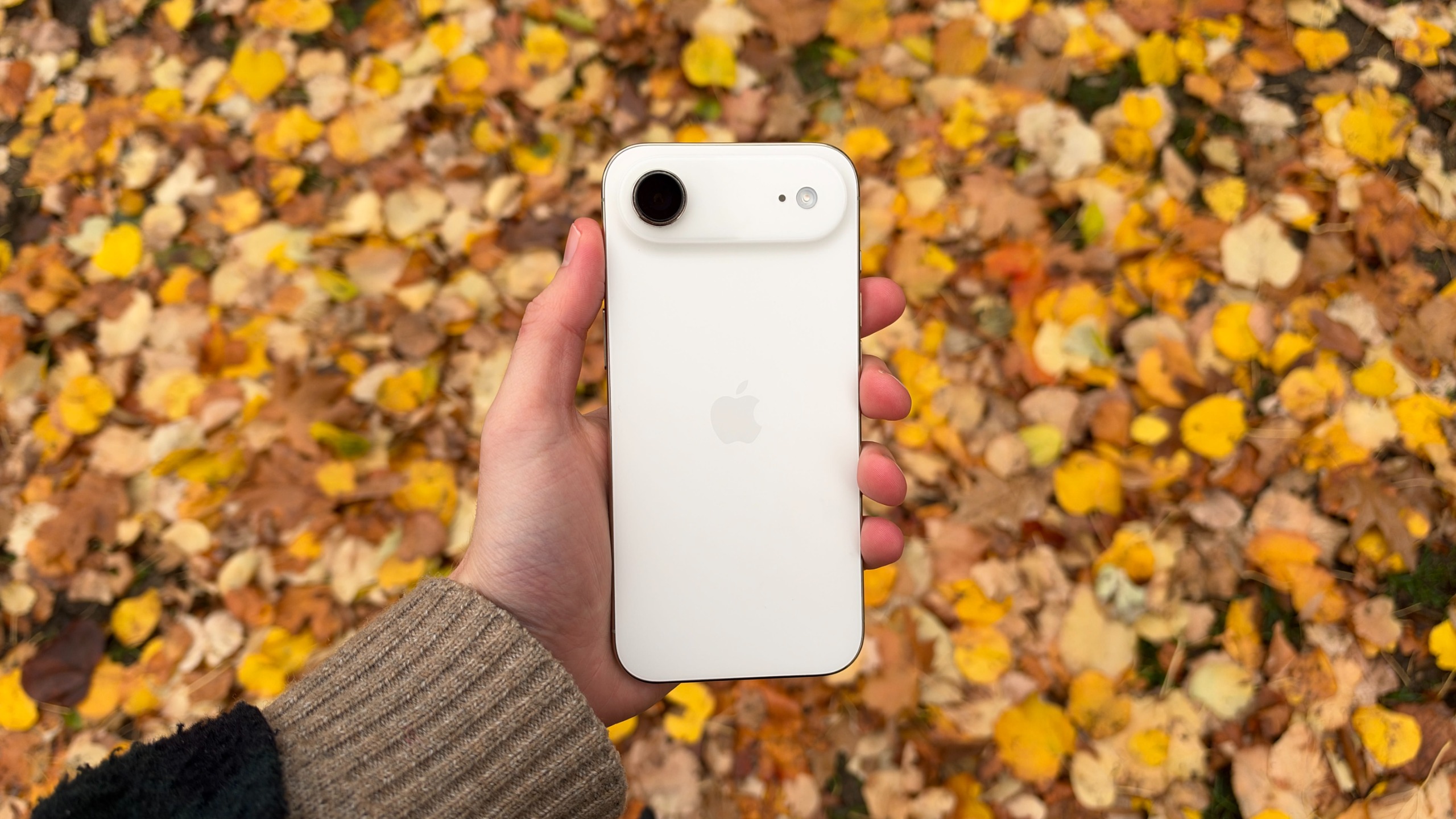
The iPhone Air holds a special place in my heart. Of course, it has fewer cameras than the iPhone 18 Pro and iPhone Duo. And the battery life is short. There are also weaker speakers. And the chipset is slightly weaker. But after using this phone as my daily driver for the better part of a year, I’ve come to love its unique combination of style and performance.
No other phone holds and uses like the iPhone Air. It feels nearly weightless in the hand and in your pocket, and even though Apple’s A19 Pro chipset is older than the A20 Pro in the iPhone 18 Pro and iPhone Duo, it’s still very powerful.
I didn’t pay much attention to the Air’s one-day battery life, but the iPhone 18 Pro does have a battery life of nearly two days, and the iPhone Duo can last a day and a half. The bigger compromise is the Air’s single-lens camera system, which simply can’t compete with the triple-lens system on the Pro and the dual-lens system on the Duo (even though all three phones essentially share the same 48MP main lens).
The good news is that while the iPhone Air retails for a whopping $1,099 / £1,099 / AU$1,899, it’s often priced at a premium. Less money. However, please note that the iPhone Air 2 is rumored to be launched in March or April next year.
What are the advantages of iPhone 18 Pro?
Cheaper, thinner, lighter, bigger screen (unless you go for Pro Max)
What are the disadvantages compared to iPhone 18 Pro?
Fewer cameras (wide angle only), shorter battery life, slightly Weaker chipset, mono speaker, slightly Wireless charging is slow (20W)
iPhone Duo vs Pro?
Cheaper, thinner, lighter, bigger screen, Face ID, better selfie camera, crease-free display
Disadvantages compared to iPhone Duo?
Single screen, fewer cameras (wide angle only), shorter battery life, slightly Weaker chipset, mono speaker, slightly Wireless charging speed is slow (20W), does not support stylus, does not support multitasking
iPhone dual core
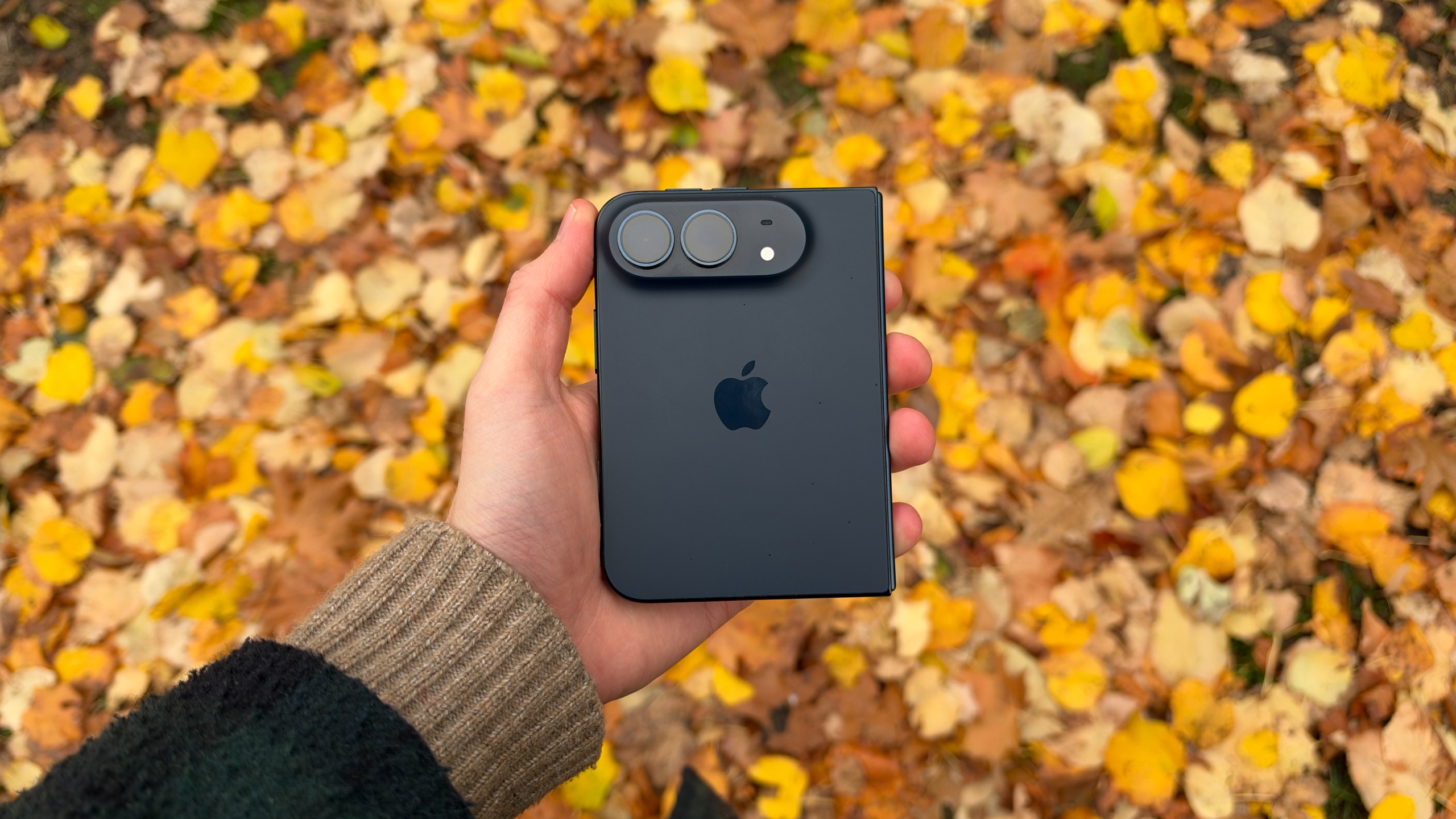
The iPhone Duo is the most exciting iPhone to launch since 2017’s iPhone X, but it’s also the most compromised (and expensive). Its USP, of course, is its foldable form factor: a 5.4-inch cover display and a 7.6-inch foldable inner display, both of which are completely different from the screens on the iPhone 18 Pro and iPhone Air.
As a foldable phone, the iPhone Duo has a long learning curve (if you haven’t used a foldable phone before), but your patience will be rewarded. The phone’s internal nanomatte screen is an absolute pleasure to use, and while I’m still coming to terms with the external display (I find it a little cramped), developers are continuing to update their apps to make the iPhone Duo screen more usable and familiar.
The Duo’s biggest weakness is its lack of Face ID. Apple has implemented a Face ID-like system for its foldable phones since launch, but you’re still forced to use Touch ID in low-light environments, as well as authorize payments and add passcodes. The Duo feels like a step backwards in this regard, but if you’re willing to accept the compromises and learn the ropes of a foldable phone, there’s really nothing better than its beautiful internal display.
What are the advantages of iPhone 18 Pro?
Dual screens, stylus support, multi-tasking support
What are the disadvantages compared to iPhone 18 Pro?
More expensive, fewer cameras (wide angle, ultra wide angle), Touch ID, smaller external screen, weaker selfie camera, slightly Short battery life, thicker, heavier, creases on the inside of the display
What are the advantages compared to iPhone Air?
Dual screens, more cameras (wide-angle, ultra-wide-angle), longer battery life, slightly Faster chipsets, stereo speakers, slightly Faster wireless charging (25W), stylus support, multitasking support
What are the disadvantages compared to iPhone Air?
More expensive, Touch ID, smaller outer screen, thicker, heavier, weaker selfie function, creases
Camera comparison
For comparison, I took as close to the same photo as possible with each phone’s main camera.
iPhone 18 Pro
iPhone Air
iPhone dual core

Follow TechRadar on Google News and Add us as your preferred source Get our expert news, reviews and opinions right at your source. Be sure to click the “Follow” button!
Of course you can Follow TechRadar on TikTok Get news, reviews, unboxings and regular updates from us in video format WhatsApp also.