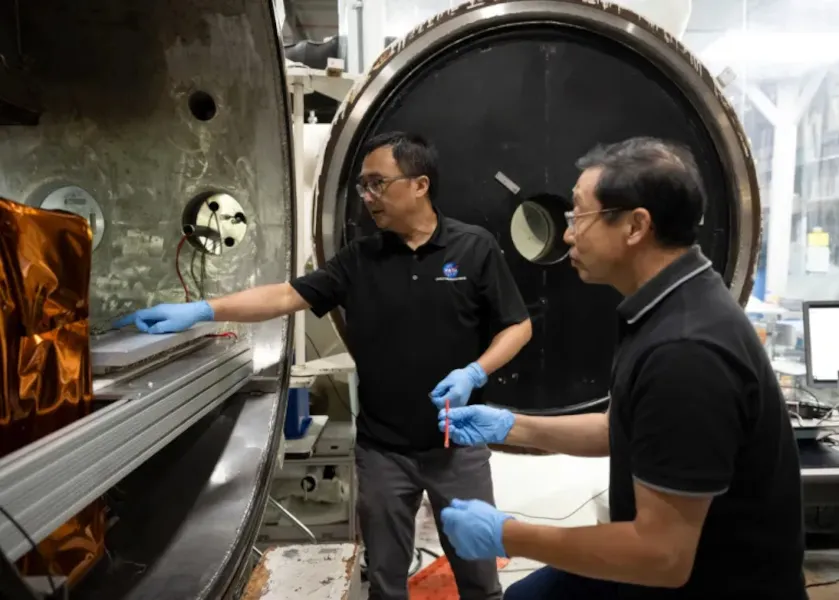
One of the major limitations of mass-produced batteries is the electrolyte. From lead-acid to lithium-ion, there is a temperature where the electrolyte freezes and causes all kinds of problems, from cracked cases to various unfavorable chemical changes in the battery itself. But when a solid electrolyte is available, many of the disadvantages of charging and discharging batteries in extreme cold disappear. These batteries developed by NASA, for example, can survive some wild temperature fluctuations.
The electrolytes used for these batteries are either a ceramic or polymer electrolyte, both of which are solid. In the test, the batteries can function sensibly at temperatures of -60 ° C and up to 80° C at the high end. Furthermore, the solid electrolyte helps to protect them even outside these temperature ranges. Bring the battery temperature down to -170° C was not enough to damage the battery at all, and using a small heater to bring the temperature back to its operating range showed no loss of capacity or other problems.
These batteries are ultimately intended for use in some of the coldest places outside the Earth still accessible to humans (in theory), such as the South Pole of the Moon, where temperatures regularly get so cold and remain cold for long periods, especially in permanently-shaded craters or places on the Moon we can possibly put telescopes. There are other terrestrial situations where these batteries can also be useful because they don’t need as much thermal management as other battery types.