Flying across multiple time zones often causes jet lag, a feeling when the body insists it’s the middle of the night, while the clock says it’s lunchtime. Now it turns out that this nuisance is not exclusive to humans.
A new Science study on Manx shearwaters, seabirds that can fly hundreds of kilometers a day across the North Atlantic, shows that they jet lag during their excursions. And because these birds navigate through the sun, that jet lag leaves a measurable mark—it distorts their compass.
Clockwork compass
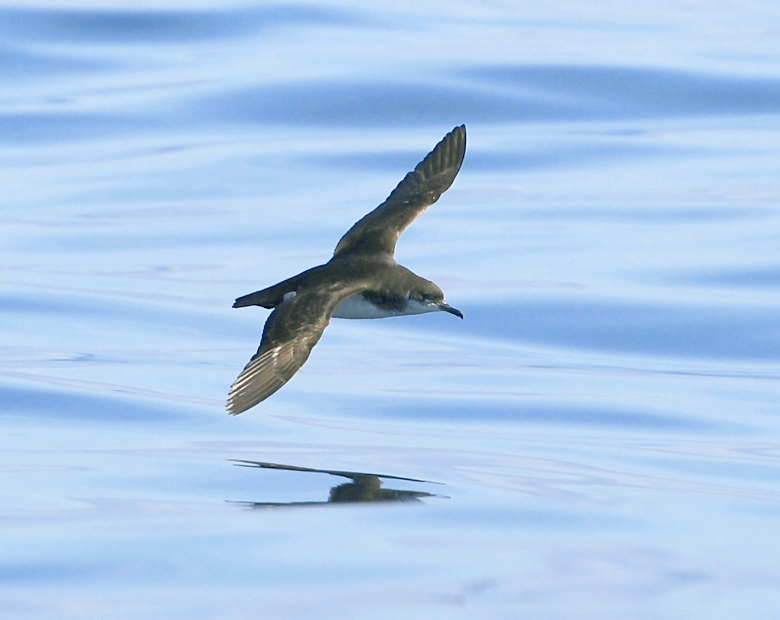
Patrick Lewin is a behavioral and sensory ecologist at the University of Oxford and lead author of the study. “Manx shearwaters are medium-sized birds, about the same size as a pigeon,” Lewin said. “They are white below and black above, but they have very long wings, and they are closely related to albatrosses.” Manx shearwaters nest in burrows on coastal islands around the North Atlantic. Most rest around the UK and Ireland, with around half of their population living in Wales.
Read the full article
comments