Motorola makes some great phones, but I’ve often felt they stop just short of delivering a real, no-compromise experience.
There’s usually a lot to like, especially when it comes to design, but there’s usually something that makes it harder to recommend over the best from Samsung, Apple and co.
That’s where the new Signature 27 comes in. It pairs the distinctive styling I’ve come to expect from the brand with an ambitious camera setup, top-end power and a huge battery – and, after spending some time with it at the launch in Norway, I’m starting to think this could be the Motorola flagship I’ve been waiting for.
There are still things to test, and its price of £1,299/$1,599 means it has a lot to prove, but the early signs are promising.
The Signature 27 looks and feels the part
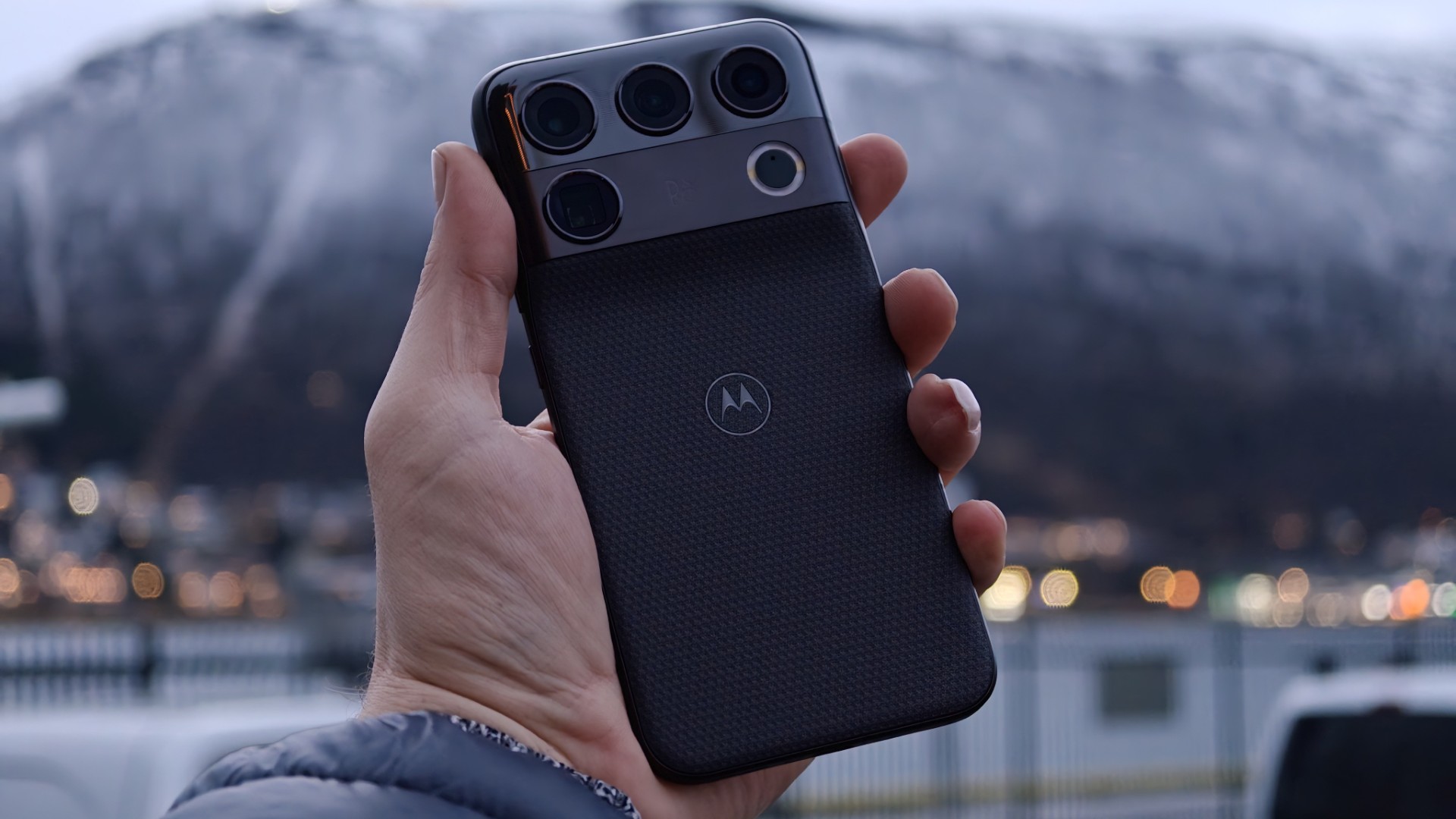
I think we all know at this point that Motorola know how to make a good looking phone. Its continued partnership with Pantone, even with its budget-level devices, paired with its unique use of rear materials, makes for phones that stand out from the crowd – and the Signature 27 is very much cut from the same cloth.

It is available in two finishes, Pantone Coal Smoke and Capulet Olive, with different textures on the rear. Both are made from the same material, although the Coal Smoke finish offers more of a textured woven finish that Motorola says is inspired by automotive design, while the Capulet Olive offers a much smoother, softer finish.
I will say, the green finish looks fantastic – I’m a sucker for a green phone – and I imagine that’s the one that gets decided the most. The Coal Smoke black model is very understated, if that’s your thing.

I’m also surprisingly fond of the odd shape of the phone; unlike most phones, the Signature 27 is thinner at the bottom and thicker at the top. This is mainly due to the camera housing, but with the design that Motorola used, it looks more like the body of the phone than a separate module.
Look a little closer, and you start to notice the little extras, like textured aluminum sides for a better grip or the slightly (and it’s very slightly) curved screen – just curved enough to make the side swipes feel good, without going so far as to have an effect on the screen’s performance. It’s also dual IP68/69 rated, with Corning’s brand new Gorilla Glass Ceramic 3 screen protector, and offers a military durability rating.

Again, this all ties in just nicely with the overall look of the phone; it’s premium, from top to bottom – and that continues with the hardware that powers it.
A pretty solid camera setup
Motorola has been gradually increasing its camera performance across its phone range in recent years, and the Signature 27 is the culmination of that – at least according to Motorola, which claims it’s the “most advanced camera system to date”.
That starts with the 50MP main camera, powered by a Sony LYTIA L910 sensor with LOFIC support, which the company claims delivers brighter, more balanced photos and videos with more detail, especially in more complex lighting conditions.

That’s paired with a beefy 200MP 3x periscope lens, offering 6x in-sensor zoom and up to 100x if you want to use the company’s AI-powered Super Zoom Pro tech, and a 50MP ultra-wide camera, making for a pretty versatile system compared to most Motorola phones we get. ‘But Lewis’, I hear you cry, ‘there are four lenses in the back!’
Yes, there are – although one does not function like a normal camera. It’s actually an EVS action sensor, the first on any smartphone, which Motorola claims helps capture fast-moving subjects without the added blur. It’s designed to be paired with Motorola’s Action Shot feature, and is available on both the main and telephoto lenses – but oddly, not the ultra-wide.

The jury is still out on whether it’s a useful addition, as Motorola already does better than most when it comes to capturing moving subjects, but it’s great to see Motorola being ambitious and experimental with its flagship camera hardware.
That’s matched by a 50MP selfie camera with AF tech, which, like the rear lenses, supports 4K video capture.
Now I was able to try out the camera during the launch in Norway, and I’m impressed with many of the shots I took – especially zoom shots up to around the 20x mark. I’ve included a few here:
That said, I think I’ll hold off on my deeper thoughts for now, as it’s still running pre-release software and there are a few ISP-related bugs I’ve noticed during testing so far. Let’s hope that Motorola can iron it out before it hits the shelves in early December.
Many other beauties
Of course, there’s more to a phone than looking good and having a versatile camera setup. Whereas with most previous Motorola phones that weren’t very Flagship would have been a compromise elsewhere, that doesn’t seem to be the case here.
Case in point, it sports an updated AMOLED panel, with Motorola’s custom Extreme AMOLED Duo screen tech. It essentially uses a similar tandem OLED system to Apple’s top-end iPad Pro, combining two layers into one to boost brightness and colors while draining less battery power.

And when I say bright, I mean it bright – Motorola says it’s the ‘brightest display available in a smartphone’ with a peak brightness of 12,000 nits. Of course, that doesn’t translate to everyday use – it’s measured when you’re watching HDR content, and it’s only a very small part of the screen that gets that bright – but it’s been plenty bright and vibrant during my time with it so far.
The Signature 27 also goes all-in on audio – and that’s not something you say about smartphones very often. The company has partnered with B&O to bring audio that isn’t just loud for the sake of being loud, but something that actually sounds good. Well, as good as audio from a phone can be anyway.

It’s crisp and clear, and more than enough for some casual listening if you don’t want to scrounge for a pair of headphones — I’m using them to listen to music on Spotify in my hotel room as I write this.
The Signature 27 is also among the first phones to hit the market to sport Qualcomm’s latest and greatest chipset, the Snapdragon 8 Elite Extreme Gen 6. As the company’s first 5GHz-capable chipset, it’s safe to say it’s got a lot of power under the hood. I haven’t benchmarked it yet, but it feels smooth in everyday use without really waiting for apps to open or things to load.
And, what would a phone like this be without a beefy battery to back it all up? Unlike Samsung, which seems terrified of expanding its phone line past the same 5000mAh mark where it sat for years, the Signature 27 packs a 7000mAh silicon carbon cell that should get it through even the most demanding days.

For context, I’ve been using the phone (with one SIM active) for the past eight hours to sporadically take photos, videos, reply to messages and listen to music, and it’s currently at 82%. It certainly bodes well for the real test that starts when I get back to the UK, and 90W TurboCharge support should translate to blistering charge times too.
It’s expensive – but that’s par for the course
Now, you don’t get all this hardware without spending some cash – but the Signature 27’s £1,299/$1599 price tag may surprise some. It certainly surprised me when I first saw how much it would go in a few weeks.
But now I’ve sat it for a while, I think Motorola has done enough here to justify this top-end price tag. It’s a much more well-rounded phone than anything we’ve seen from Motorola to this point – outside of the foldable space anyway – and packs all the hardware you’d expect from a truly premium phone.

Yes, it’s undoubtedly expensive, but in the broader context of a world with skyrocketing RAM and storage prices, it’s not that big of a surprise. Oppo’s similar top-end Find X10 Pro Max costs £1499, and if rumors are true, phones such as the Galaxy S27 Ultra and Honor Magic 9 Pro Max could cost similarly when they appear in the coming months.
This is essentially the ‘new normal’, and I don’t think brands should be penalized for price increases that are out of control. If anything, blame Sam Altman and the other big AI bosses for creating this issue in the first place. But that’s another article entirely.
The Motorola Signature 27 costs £1299/$1599, and will be available to pre-order on November 16 ahead of a December 3 release.