 Skip to content
If you haven’t been affected by one of the many major system outages that occurred in November, you’re in luck. It’s been a rough month, starting with a Microsoft outage on Nov. 12 that prevented people’s Outlook emails from being received for several hours, and more recently on Nov. 22 when a Delta system outage left travelers stranded. The incidents were part of a larger disruption across the United States, including a nationwide ground halt to all air travel, disruptions affecting classified national security communications and disruptions to online banking services.
What’s worse? This month is not over yet
With legacy systems struggling to handle updates and AI tools occasionally spinning out of control, it’s wise to prepare for more and potentially larger outages in the future.
Governments around the world are advising households to stock up on a list of essential supplies for potential emergencies — guidance that has inadvertently fueled public anxiety and online conspiracy theories.
If you haven’t already stocked up on supplies or made a plan to deal with a power outage, prolonged internet outage, or utility issues that could affect water or sewer service, you shouldn’t wait.
“Emergency preparedness is about more than earthquakes, floods, hurricanes, severe storms, or wildfires,” said Chris Reynolds, professor and expert on emergency management at American Military University. “Because we all rely on digital infrastructure to conduct our daily business, power outages caused by accidental or malicious acts can disrupt banking, communications, online shopping, and access to our favorite websites.”
Reynolds’ advice is simple: Be prepared, but don’t panic.
“Home emergency preparedness is not a one-time thing,” Reynolds said. “Practice should be continuous.”
What to do when your internet, phone and website are down
Short-term internet, mobile and website outages are probably the easiest to deal with because they happen so often. We’ve been trained to either wait it out, reset our home routers, or try a backup device.
If you have an internet connection but are unable to access certain services, visit DownDetector to see if others are experiencing the same issue. The site displays the number of people who have submitted reports about outages and places the most recent and severe outages at the top of its home page.
Cell phone service outages are sometimes limited to one of the major service providers; it can be helpful to have a backup mobile device (such as a phone or tablet) or an Internet hotspot with a different cell phone service so you can have a backup if necessary.
However, if the network service is interrupted for a long time, it may cause serious problems.
“We’re all used to storing all our records on a computer or in the cloud,” Reynolds said. “In the event of a power or digital infrastructure failure, it is important to have an offline or paper copy of important records, emergency phone numbers, etc.”
While many people are no longer using cash these days, ongoing outages could disrupt payment systems. It’s wise to have at least a modest amount of cash on hand. (There’s no need to rush into gold bullion just yet—dollars will do.)
“The whole idea is to have a plan that works if the technology fails,” Reynolds said.
What to do if there is a power outage?
Fortunately, November’s outages did not include widespread outages, but experts are not ruling out the possibility of future outages. It could even happen nationwide.
No matter how widespread an outage is, the advice on how to prepare is much the same as what you might follow during a winter storm outage or one caused by a strained summer grid. Make sure you have a portable charger and be ready to charge devices such as mobile phones. Follow Ready.gov’s recommendations and have supplies at home including water, flashlights and batteries, food, and a first aid kit.
For sensitive data equipment such as backup drives and computers, a UPS (uninterruptible power supply) is a must.
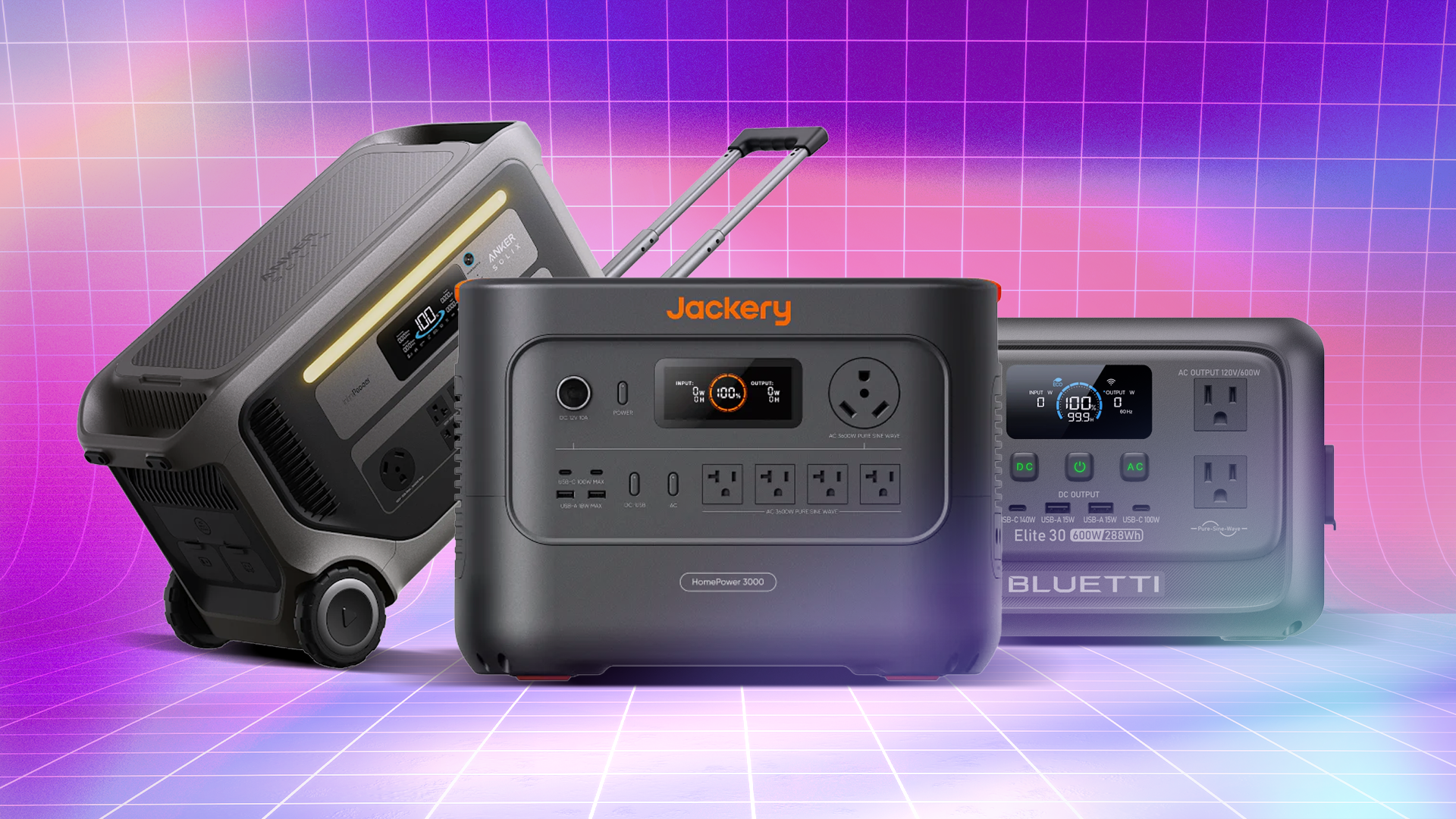
Portable power stations, which can even power large appliances like refrigerators, are growing in popularity among those worried about utility uncertainty. Devices that jump-start your car and emergency hand-crank radios that keep you informed during long power outages are great items to have.
A lack of power could impact your family’s medical needs, especially for people who use home respirators or refrigerated medications like insulin.
“Families should discuss specific backup plans with their health care provider,” Reynolds said. “Using portable generators to power medical equipment is not recommended.”
Carbon monoxide poisoning can be a hazard for those using gas-fired portable generators to try to power medical equipment during a power outage. Do not use them indoors or in enclosed spaces.
Other utility outages, such as water, sewer, or natural gas
Utilities have become increasingly popular targets for hackers.
If you lose water or gas service, contact your utility company to find out how widespread the problem is and how quickly it can be repaired.
For water outages, if possible, the water may need to be boiled before drinking. Turning off the main water valve in your home can prevent future pipe bursts. Do not flush the toilet when water or wastewater is interrupted.
While a gas outage simply means your supply has been interrupted, a rotten egg smell or hissing sound can indicate a dangerous gas leak. If you are unsure and cannot contact utility company personnel, seek assistance from a safe distance.
General tips for any power outage
Keep some shelf-stable pantry staples on hand in case of service interruptions or large-scale power outages that may last for an extended period of time.
“Remember, the goal is to have enough money to sustain a family for a limited period of time,” Reynolds said. “This is not hoarding or hoarding.”
Supplies you should have include:
- Water, about a gallon per person per day, preferably for at least three days. Two weeks is a safer goal.
- Shelf-stable food and manual can openers.
- Flashlight, batteries and batteries or hand-cranked weather radio.
- Cell phone power banks and car chargers.
- First aid supplies and medications.
- Copies of important documents.
- Plans for anyone with medical needs, such as refrigerated medications or powered medical equipment.
“Last and most important, decide ahead of time how family members will reconnect if separated during a crisis or emergency,” says Reynolds. A predetermined meeting place can avoid confusion when you can’t reach each other.
For more information about emergency supply kits and what to include in your checklist, visit Ready.gov.