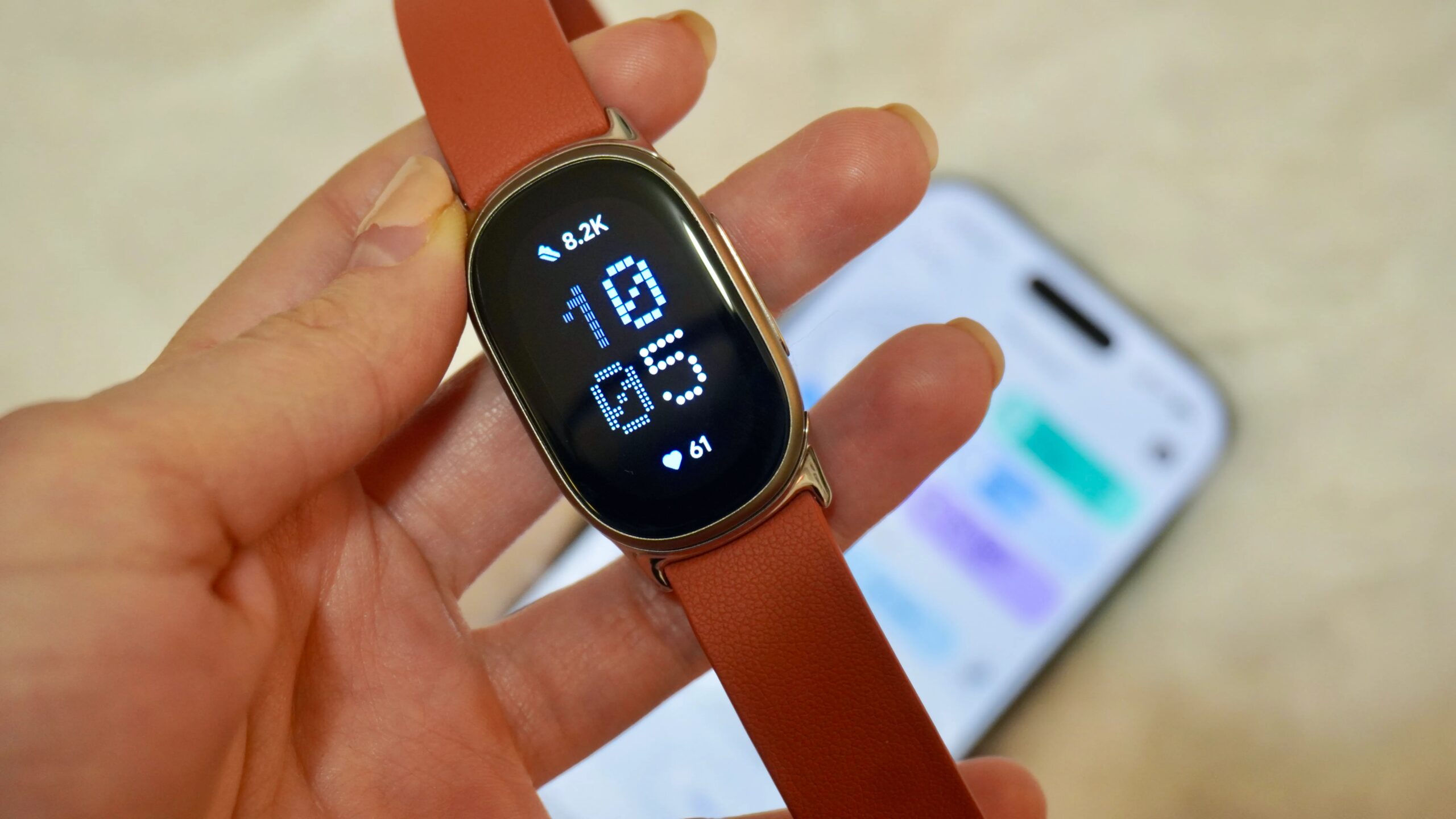
ZDNET’s key takeaways
- Insulin resistance and blood pressure trends are coming to the Fitbit Air and Fitbit Edge.
- These new features are only available to Google Health Premium users.
- The news points to Google’s larger health mission in developing a continuous glucose monitor.
Google just added insulin resistance and blood pressure trends to the Fitbit Air and Edge, taking these devices beyond basic fitness monitoring and sleep tracking and into deep health insights. The new features are part of Google’s “Health Guardian” suite of proactive safety tools for the Pixel Watch and Fitbit.
Also: Are AI Health Coach Subscriptions a Scam? My verdict after testing Fitbit’s for a month
They are only available to Google Health Premium users, a $100 annual subscription that gives users access to the Google AI health coach, advanced sleep tracking, and a more expansive selection of health tracking features.
While it doesn’t measure your insulin or glucose directly, its algorithm analyzes heart rate, activity level, sleep and other metrics to show changes in metabolic health. The Fitbit also tracks your blood pressure patterns without a cuff, monitors your heart rate while you’re asleep or awake, and, at the end of the month, gives you insights. Eligible Fitbit Air and Fitbit Edge users who have worn their device for five days or more will see this insight in the Health tab of the app.
Similar to blood pressure trends, the insulin resistance feature uses Fitbit sensors to monitor shifts in metabolic health. Insulin resistance is a precursor to type 2 diabetes, which gives users potential insight into changes in their insulin levels in a less invasive way, but points more to general trends than a direct diagnosis.
Unlike a continuous glucose monitor that penetrates the skin and uses blood to collect metabolic data, the insulin resistance feature was built to assess biometric and metabolic patterns through its multimodal model. Google trains its insulin resistance model on data collected from other wearables as well as compiled demographic data, according to its paper in Nature.
Also: I tested Google’s Fitbit Edge – its standout feature also left me wanting more
If the feature detects increased insulin resistance patterns, it notifies the user to take additional actions. Fitbit users can even connect their Abbott CGM to the Google Health app for additional glucose monitoring. By offering these Health Guardian features to more devices than just its flagship Pixel Watches, Google is giving more users — specifically budget-conscious users who own the $100 and $180 Fitbit Air or Edge — the ability to track and stay on top of some common and serious health conditions.
While the insulin resistance feature is nowhere near the capabilities of a non-invasive CGM, Google’s development of a multimodal model to track biometric responses to insulin activity suggests the company is getting closer to this non-invasive reality.
Also: The 5 most popular Garmin watches of 2026: What readers are buying the most, and last-chance Prime Day prices
Non-invasive glucose monitoring is like the foldable phone of wearable technology. It’s a product idea that’s been around for years, and every tech company is scrambling to deploy its own, with varying degrees of success and adoption. Even Steve Jobs had dreams of an Apple glucose monitor that people could use—no finger prick required. Rumors suggest that Apple has also been working on this for years.
But Google might be a few steps ahead of Apple on this one. Its breakdown of insulin resistance trends on new Fitbit devices is one way it’s moving toward a CGM that uses algorithmic AI instead of needles and blood.

See full bio