If you’ve ever tried to zoom in on a bird, concert stage, race car or distant skyline with your phone, you already know the disappointment. The moment you pinch to zoom, the image quality starts to fall apart faster than the airport Wi-Fi upon boarding.
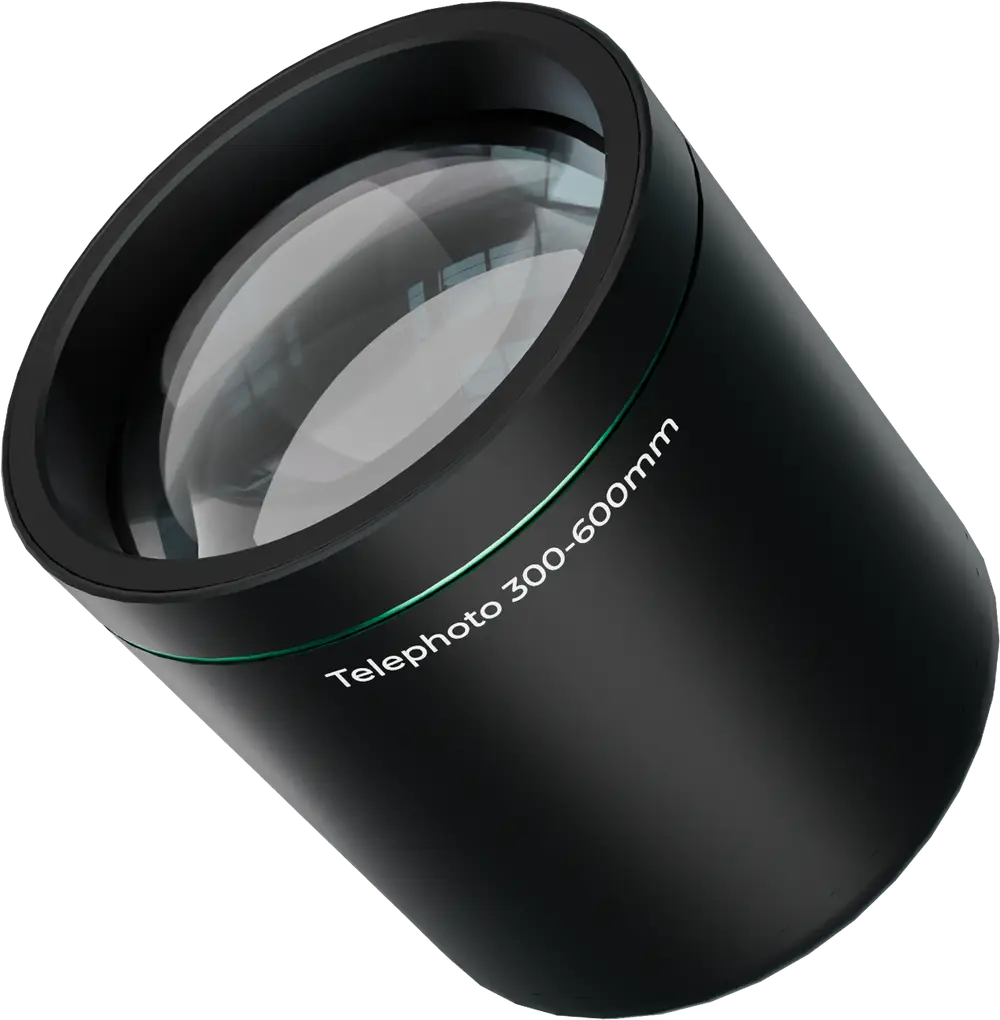
That’s exactly the problem that the new Reeflex Ultra Telephoto 300–600mm lens tries to solve.
Instead of relying on aggressive digital zoom, Reeflex adds true optical reach to flagship smartphones – turning devices like the Apple iPhone 17 Pro and Samsung Galaxy S26 Ultra into surprisingly capable long-range cameras. And unlike many clip-on phone lenses that feel like novelty accessories from a mall kiosk circa 2012, this one looks designed for people who actually care about photography.
What makes the Reeflex Ultra different?
The headline feature is simple: up to 600 mm equivalent reach on supported smartphones.
That’s territory usually reserved for gigantic DSLR telephoto lenses that cost more than your monthly rent and require a backpack that screams “I photograph birds professionally.”
The Reeflex achieves this with a multi-element optical system with lanthanum glass and an aerospace-grade aluminum body. The lens attaches to compatible smartphones using a standard 17mm mounting system, making it part of a wider ecosystem rather than a stand-alone gadget.
The result? Clean long shots with less reliance on digital cropping.
That’s important because digital zoom doesn’t actually bring subjects closer—it just magnifies pixels until your photo starts to look like gas station surveillance footage.
Real optical zoom on a phone is a bigger deal than it sounds
Mobile photography has become absurdly good in recent years. Computational photography, AI sharpening, and sensor improvements have pushed phones into territory that would have been impossible a decade ago.
But physics still exists.
Small smartphone lenses struggle with true telephoto performance. Reeflex significantly expands what your phone’s native telephoto camera can do optically rather than digitally.
For creators, this opens up some really interesting possibilities:
- Wildlife photography without carrying massive camera equipment
- Better sports and motorsport shots
- Stronger background compression for portraits
- Long-range urban photography
- Concert and event shooting from further afield
- More cinematic framing options for video creators
And yes, it also means you can finally photograph the moon without it turning into an overexposed blob that vaguely resembles a tortilla.
Designed for flagship phones
The Reeflex Ultra is optimized for premium smartphones with advanced telephoto systems, including:
- Apple iPhone 15 Pro Max
- Apple iPhone 16 Pro Max
- Apple iPhone 17 Pro
- Samsung Galaxy S24 Ultra
- Samsung Galaxy S25 Ultra
- Samsung Galaxy S26 Ultra
According to Reeflex, the lens can up to 24x magnification depending on phone and shooting mode.
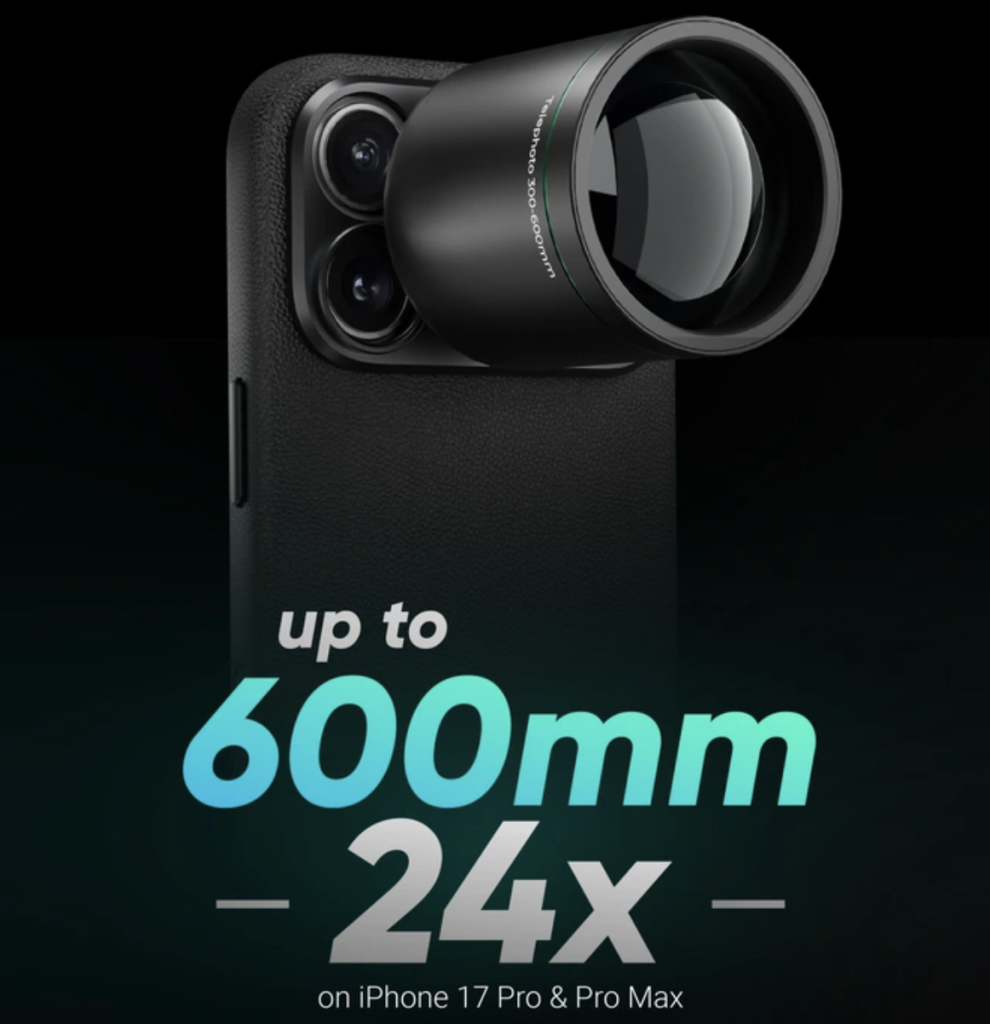
The company also claims the setup supports full 48MP capture at 300mm on supported iPhones, which is important because preserving detail at long focal lengths is where many mobile accessories fall apart.
The construction looks surprisingly serious
One of the more impressive things here is that Reeflex didn’t design this like a cheap smartphone toy.
The lens body uses aviation-grade aluminum, weighs about 308 grams, and includes support for the company’s magnetic ReeMag filter system for ND and CPL filters.
That means creators can quickly stack filters to:
- Motion blur video
- Clean daylight shooting
- Reduced reflections
- Better cinematic control
In other words, this actually targets mobile filmmakers and photographers – not just casual users who occasionally photograph their lunch.
Early impressions look promising
Photography outlets including PetaPixel and T3 have already highlighted the lens to push smartphones into unusual long-range territory.
Meanwhile, creators who previously tested Reeflex telephoto systems praised the improved sharpness and reach compared to the standard phone zoom.
The catch? Stability is important.
At these focal lengths, handheld shooting quickly becomes complicated. A mini tripod or gimbal will probably become your new best friend, unless your hands are more stable than a Formula 1 camera operator.
Is it worth it?
That depends entirely on how you use your phone’s camera.
If your photography mostly consists of food shots, quick selfies and screenshots of memes you forgot to send to friends, this is probably overkill.
But if you’re a creator, traveler, mobile filmmaker, wildlife enthusiast, or someone who really pushes smartphone cameras to their limits, the Reeflex Ultra starts to make a lot more sense.
It’s one of the more ambitious attempts we’ve seen to bridge the gap between smartphones and dedicated camera systems — without forcing users to carry a full mirrorless setup everywhere.
And honestly? That future feels pretty compelling.
Learn more
You can check out the full campaign and specs right on the official Reeflex site here:
Reeflex Ultra Telephoto 300–600mm Lens Official Site