Large “flat TVs” have become very affordable in the last decade. You can order from Amazon or go to Best Buy and buy a 55-inch Mini LED Smart TV for about $300! That was unheard of at one point. For many people, the visuals that the $300 TV provides are enough for their “eyes”. Budget devices almost always involve trade-offs, but the value proposition in this economy is unmistakable.
What’s not unmistakable is how crappy your TV’s speakers are compared to an external speaker system. With TVs as thin as they are, there is just no room for the physics of rich, robust, room filling sound in those frameworks. Heck! There isn’t even enough space for mediocre room-filling sound, but I digress. But don’t just take my disdain for TV speakers as gospel. Let’s dig into the red flags that signal your need for a soundbar so you can hear the dialogue and get great sound to match your big TV.
Downward dog
Is only good for yoga poses
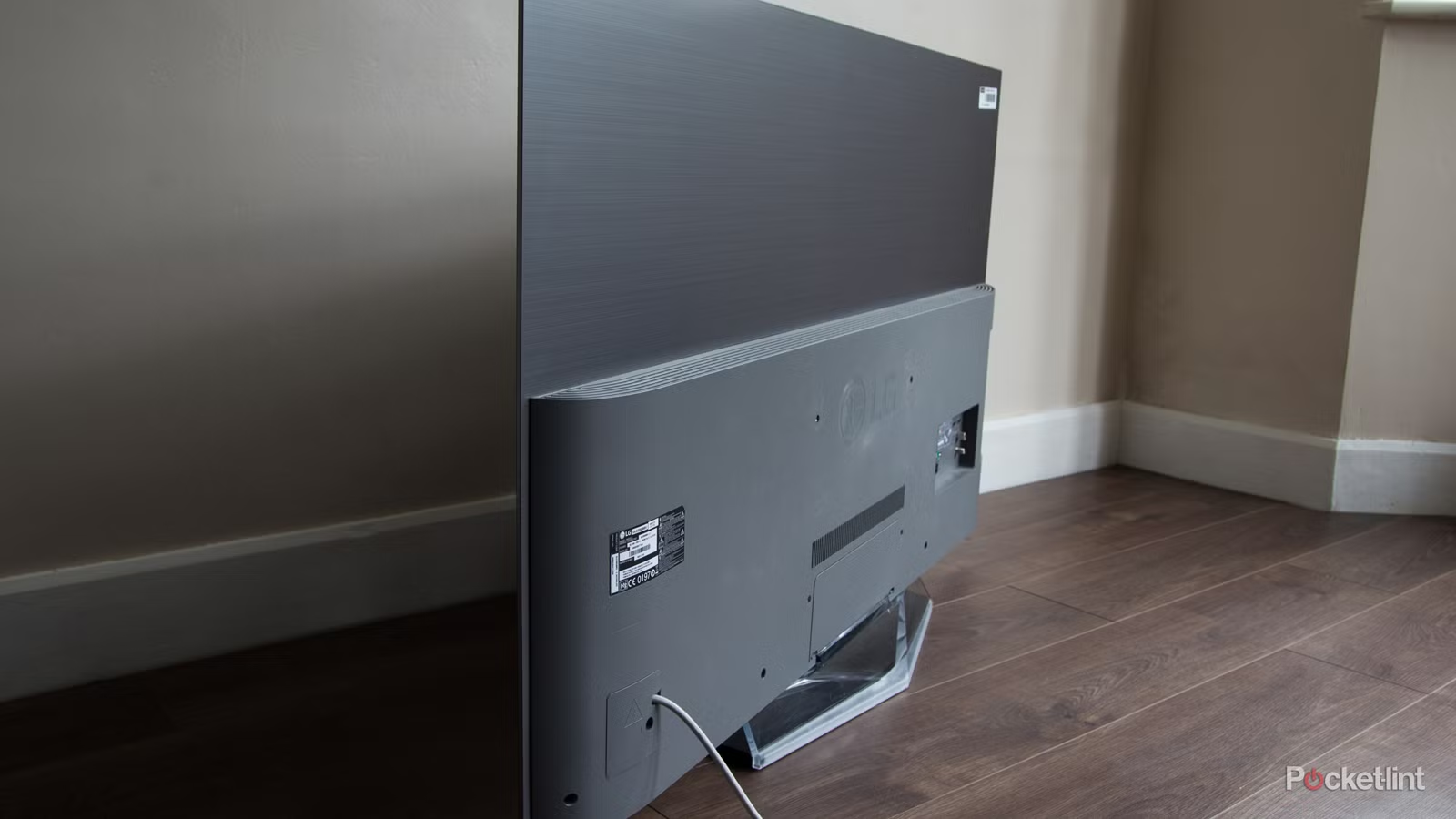
While a good downward facing dog yoga pose will wake up and strengthen your body, downward facing speakers can weaken the impact of the beautiful sound design in a movie like Dune and lull you to sleep. Bouncing sound and light from things is doable, but in the average house or apartment, most people won’t take the time to DIY or pay a professional to remodel a room to accommodate it. So you end up with speakers that send sound to your TV stand, or whatever is under that unit when it’s mounted on the wall.
But it doesn’t stop there! Many TVs have rear speakers, and some even have an additional set of side speakers, so you run into the same problem with all of them: what surfaces are the speakers bouncing sound off of? And while we’re talking about sound and surfaces, we’re also looking at room echo and reverberation, sound isolation, speaker spacing and bounce surfaces, and more!
One of the only TVs I had the chance to listen to where the built-in speakers did an admirable job was TCL’s new X11L SQD-Mini LED with built-in Bang & Olufsen speakersat the top of the photo. It was really impressive, but it still needed a subwoofer, because no TV cabinet that small can deliver enough bass for movies with today’s affordable technology.
Ideally, you always want the primary sound to shoot directly at you! Also, your primary surround speakers should still be pointing directly at you, regardless of which stands or wall mounts you use. Your speaker configuration(s) should generally form a triangle with you at the top. We won’t even talk about elevation channels and side fire environments if these basics aren’t in place first.
Physics don’t lie
But the marketing manager could

In the race for thin and light weights, there is almost always some sort of tradeoff! The first big screen TV I ever bought had a massive cabinet, so there could be plenty of room (in theory) for bigger woofers and tweeters. These days, many manufacturers will sell you how thin the TV is, while trying to tell you somewhere in their literature that the speakers are solid. No. They are not. They may be made of solid materials, but they won’t give you solid sound.
Instead, they give you missed lines of dialogue, underwhelming sound design elements like explosions, or a lackluster reproduction of nuanced sound design like the one on the “A Quiet Place” or “Dune: Part Two” 4K UHD Blu-rays. All you have to do to really understand this problem is look at any sound bar at your local big-box tech store and see how many are as small or flat as your TV. Have you seen any that were flat and affordable? Have you ever seen anything that was as flat as your TV, or even close?
The size is important
Small volume energy

Think you don’t want a soundbar while watching a small TV? The problems I wrote about in the previous sections only get worse with the lousy speakers built into what we call a “small” TV these days. Generally, this is all under 55 inches.
When we talk about speakers, on the physics side, we’re really talking about the ability to move or displace air – yes, that’s a very simplified description. In this case, these size issues are magnified by speakers housed in a box that is not only super thin but small. Those dialogue and low-end issues will be worse here, but don’t worry, there are soundbars made to complement small spaces, “small” computer monitor setups and small TVs.
Big TVs make it worse
The audio does not match the visuals

Some soundbars don’t fit around 75-inch and larger TVs, That’s why Sony made the trio I recently reviewed. The external speakers that sit on the edge of your TV expand your sound field and make it as immersive as your visual experience. Just look at the picture below. Now imagine trying to create sound that surrounds you with speakers trapped within the confines of the rectangle of what used to be called your TV’s “cabinet.”

But wait. There is more! For immersion that complements what is considered a “big screen” today, you want a “big” soundbar. By “big” I mean one at least as wide as your TV. With a smaller soundbar, you risk hearing something that doesn’t match the scope of your visuals, and from an aesthetic point of view, you can also end up with a block under your TV that detracts from the look because it doesn’t complement the width of your unit.
So, what you want to do is measure the width of that TV (or look in your manual), then buy a soundbar with that number in mind. For example, one of the widest soundbars on the market is the Sony BRAVIA Theater 9, with a diameter of about 51 inches, while a 75-inch TV will be somewhere in the neighborhood of 65 inches, depending on the bezels. This size difference is also why some audio enthusiasts prefer standalone speakers over a soundbar. With standalone speakers, you can increase immersion by spreading your primary sound wider than your TV, while a standalone center channel speaker adds clearer dialogue than your TV alone can deliver.