Share
Trillions of dollars have been wiped out of China’s stock markets as the country struggles to maintain its race for global AI supremacy against the United States.
Market indicators have fallen sharply in recent months. Those STAR 50 indexwhich tracks innovation in technology companies on the Shanghai Stock Exchange, has fallen 40% since June, while broader indexes of large companies have fallen about 20%.
According to data from Bloomberg, the steep decline has been erased $2.4tn from the Chinese stock market since May. As artificial intelligence and technology stocks make up more than 40% of the total market capitalization in China and Hong Kong, the rout sent shockwaves through the wider domestic economy.
The bursting of the bubble is driven by a convergence of severe economic pressures, weak domestic demand and escalating international trade barriers.
Despite massive government intervention, including a new launch 60 billion yuan state-backed AI investment fund, Chinese consumers remain stubborn to spend, leaving domestic technology companies struggling to generate meaningful commercial profits.
Compounding these domestic hurdles is the increasing technological decoupling of the West. The United States has aggressively expanded restrictions on Chinese tech imports, banning Chinese humanoid robots over national security concerns and reportedly continued curbs on components used in data centers.
Because Chinese tech manufacturers rely heavily on robust export pipelines, these foreign restrictions severely undermine companies that are already able to secure profitable sales at home.
In an effort to outdo Washington and combat demographic challenges such as a shrinking workforce and an aging population, Beijing has strongly prioritized “embodied AI” and advanced robotics.
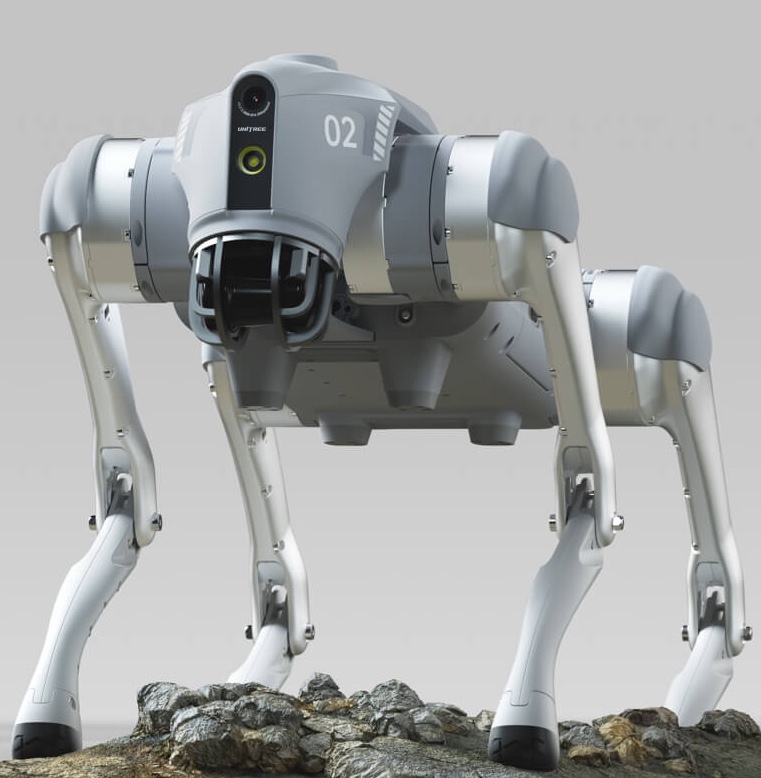
However, demand for these systems is currently driven almost exclusively by government agencies and research bodies rather than everyday consumers. With consumer models remaining too expensive and impractical for residential use, shares in leading robotics companies such as Unitree have halved since August.
Political factors are also exacerbating the crisis. As top Chinese Communist Party officials gather in Beijing for the politically sensitive Fifth Plenum to lay the groundwork for the upcoming 21st Party Congress, where President Xi Jinping is expected to secure a fourth term, politicians have shown little appetite for risky economic stimulus measures that could destabilize the leadership transition.
While global AI markets continue to rise, highlighted by US lab Anthropic’s filing for a multi-billion initial public offering, China’s state-backed tech model faces a severe crisis of confidence, leading analysts to question the long-term viability of the domestic sector.
Related posts
Discover more from Tech Digest
Subscribe to get the latest posts sent to your email.