Established tech giants can fall from grace just as easily as startups. Companies whose innovations once defined entire industries now serve as cautionary tales — reminders that pioneering the future does not guarantee that it will be controlled. These five examples, selected for their profound impact and surprising demise, reveal why even the most brilliant minds miss the next wave. Each company invented technologies that are embedded in your daily life, but each lost its way when the market changed.
5. Xerox Corporation
The company that revolutionized the office failed to benefit from the revolution it sparked next.
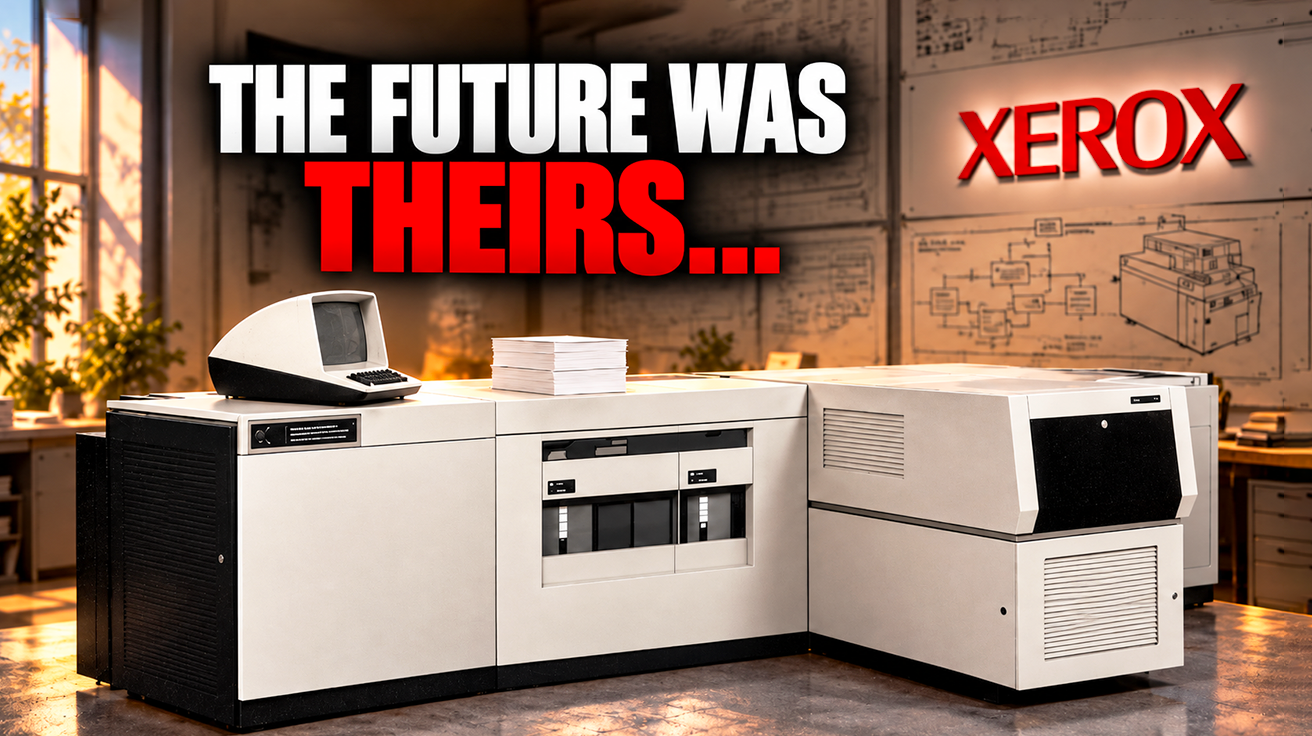
In the 1938Physicist Chester Carlson invented xerography, the dry paper-copying process that would transform document reproduction. The Xerox 914 Copier, launched in 1959became the first successful automatic plain paper copier and made Xerox a household name. The 914 was a productivity breakthrough for offices worldwide.
Xerox’s R&D lab at PARC pioneered breakthroughs that should have secured the company’s future: Gary Starkweather invented the laser printer there 1969and Xerox introduced the Xerox 9700 1977. PARC also contributed to Ethernet, graphical user interfaces, and early personal computing technologies. But Xerox struggled to commercialize or defend many of these innovations as the office computing market evolved. The translation of the invention into the leadership of the market was more difficult than the invention itself, and the stock of the company fell sharply as the competitors on technologies that Xerox developed.
4. Fairchild Semiconductor

Eight engineers who left a lab spied Silicon Valley – then split their creation.
In the 1957eight engineers left Shockley Semiconductor Laboratory to form Fairchild Semiconductor. William Shockley called them the “Traitorous Eight”. Their bold move set the stage for the rise of Silicon Valley. Fairchild pioneered Jean Hoerni’s planar manufacturing process, which enabled reliable mass production of integrated circuits. Silicon transistors offered stability and miniaturization that germanium devices could not match, making complicated designs viable for the first time.
Robert Noyce, a co-founder, helped develop the monolithic integrated circuit, putting multiple components on a single silicon chip. Fairchild became fundamental to the semiconductor industry, but internal conflicts and employee layoffs weakened the company. Noyce and Gordon Moore leave to establish Intel and 1968. ON Semiconductor has Fairchild and 2016 for approx 2.4 billion dollarsending its run as an independent company. Fairchild’s technical contributions remain embedded in every modern device, even if the company itself has disappeared.
3. Sun Microsystems
Java runs everywhere; Sun’s business model ran.
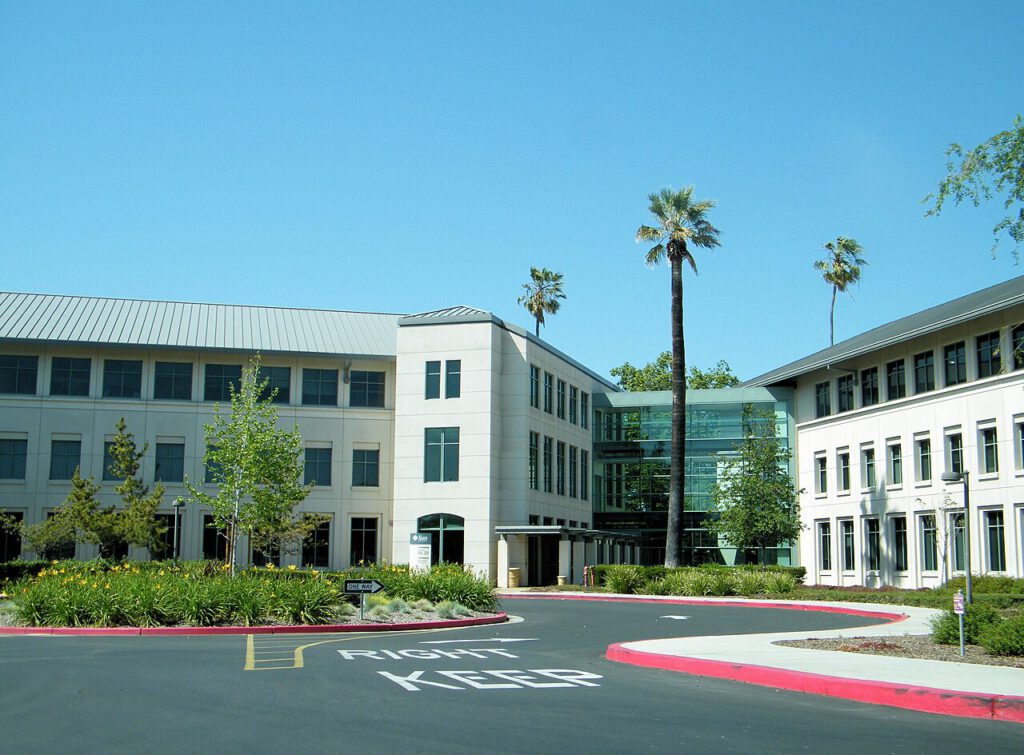
Sun Microsystems introduced Java publicly and 1995fundamentally changing how developers approach cross-platform compatibility with its “write once, run anywhere” philosophy. Java’s virtual machine allowed code to run across platforms without rewriting, a universal solution for software portability. Established in 1982Sun also developed the Network File System (NFS) to allow computers to access files over a network as if they were stored locally.
Java’s free distribution has helped adoption but limited direct licensing revenue, squeezing Sun’s business model as hardware margins are compressed. When the dot-com bubble burst after 2000Sun’s stock fell sharply as technology startups cut spending or failed. The company has struggled as lower-cost servers and cloud-computing models challenge its infrastructure businesses. Oracle has announced its acquisition of Sun 2009 and finish it off 2010 for approx 7.4 billion dollars– a steep discount from Sun’s previous valuations and a stark lesson in market realities.
2. Bell Labs
Nobel laureates could not survive an antitrust outbreak.
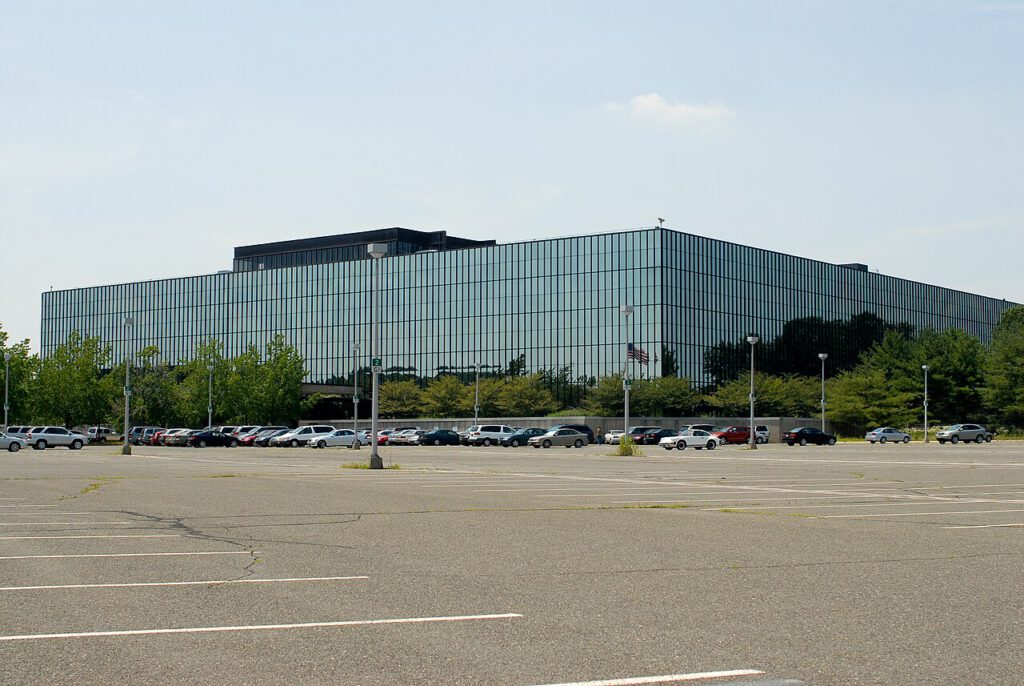
Bell Labs, the research and development organization associated with AT&T and the Bell System, has collected many Nobel Prizes and made pivotal contributions to modern technology. As AT&T’s primary research arm, its scientists invented the transistor 1947; John Bardeen, Walter Brattain and William Shockley received the 1956 Nobel Prize in Physics for this breakthrough. Bell Labs researchers also advanced lasers, radio astronomy, information theory, UNIX, and the C programming language.
Those 1984 Breakdown of the Bell system, mandated by the US government’s antitrust case against AT&T, fundamentally changed Bell Labs’ funding and organizational structure. The division separated AT&T’s regional operating companies and changed the centralized research environment that had enabled decades of innovation. Bell Labs later passed through the ownership of Lucent Technologies, Alcatel-Lucent, and Nokia, operating on a much smaller scale than during its peak period. Whether today’s fragmented corporate R&D can replicate such concentrated innovation remains an open question.
1. Juniper Networks

Faster routers could not overcome market gravity.
Juniper Networks was founded in 1996 Cisco and high-speed Internet backbone routing challenge. Its M40 router, introduced in 1998Uses custom silicon and a scalable architecture designed for high-volume network traffic. Telecommunications providers adopted the M40 to manage the rapid growth of Internet traffic during the late 1990s. Juniper is public and 1999 during the technology market boom, providing substantial early returns for investors.
This initial disruption proved more difficult to maintain. The dot-com crash greatly reduced demand for networking equipment, and Juniper faced increasing competition and pressure to keep up with technological momentum. Market leadership in networking rarely remains static, and competitors have introduced newer alternatives that have challenged Juniper’s position. Hewlett Packard Enterprise has announced an agreement to acquire Juniper Networks 2024 for approx 14 billion dollarssubject to regulatory approval. Underpinning acquisitions as well as companies disrupting established players must navigate relentless competitive pressure.