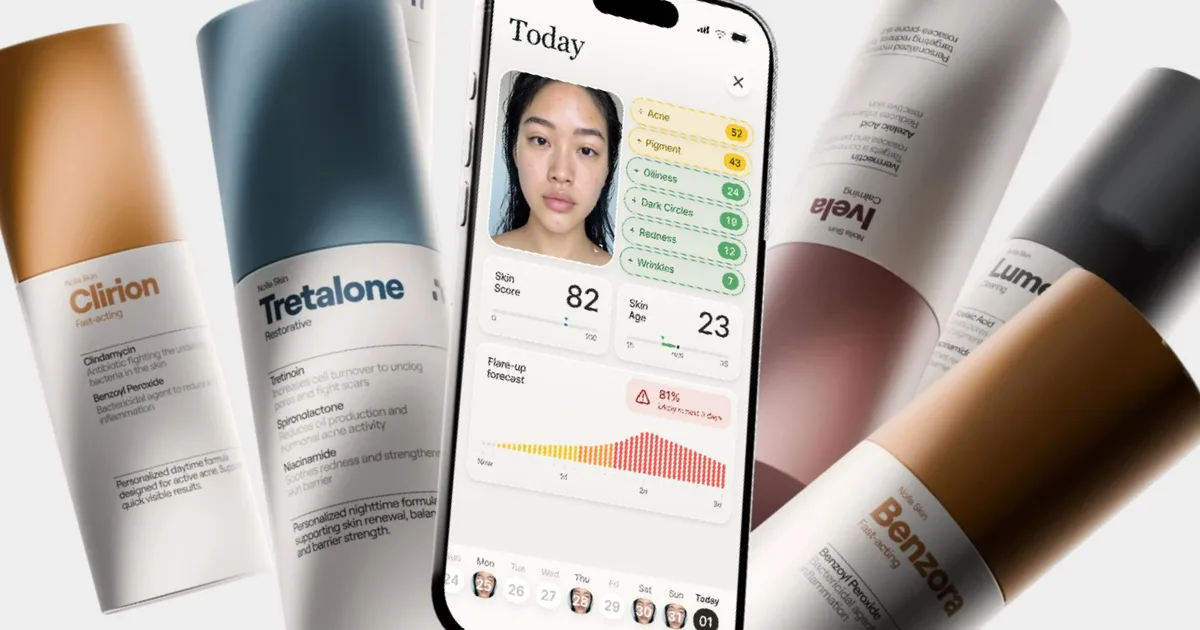
The first AI doctor is here. Despite all the skepticism and risks associated with AI models, the state of Utah has just approved Nolla Health, a company that offers an AI health expert capable of writing prescriptions without a human in the chain. For now, it will only write acne prescriptions for Utah residents over the age of 18 willing to pay a token monthly subscription fee that’s lighter than your Spotify bill.
The big push here is that the Nolla Derm app will reduce the cost of medical consultation, save users clinic visits and remove the problem of the waiting list from the whole health comparison. “Unlike telehealth platforms that only use AI to collect information before patients submit to clinicians, Nolla’s AI system is designed to independently issue initial prescriptions within strictly defined, physician-approved treatment protocols,” the company writes.
“The pilot is designed to complement doctors, not replace them.”
The move is a brave leap for the healthcare segment, even if it is quite controlled in its medical scope. The makers of Frontier AI models are not too far behind, as they are actively exploring with AI, not only for the general consumer (with products like ChatGPT Health), but also to help medical breakthroughs like drug discovery. But putting an AI doctor in the hands of an average consumer is still a big leap forward.
How does it all work?
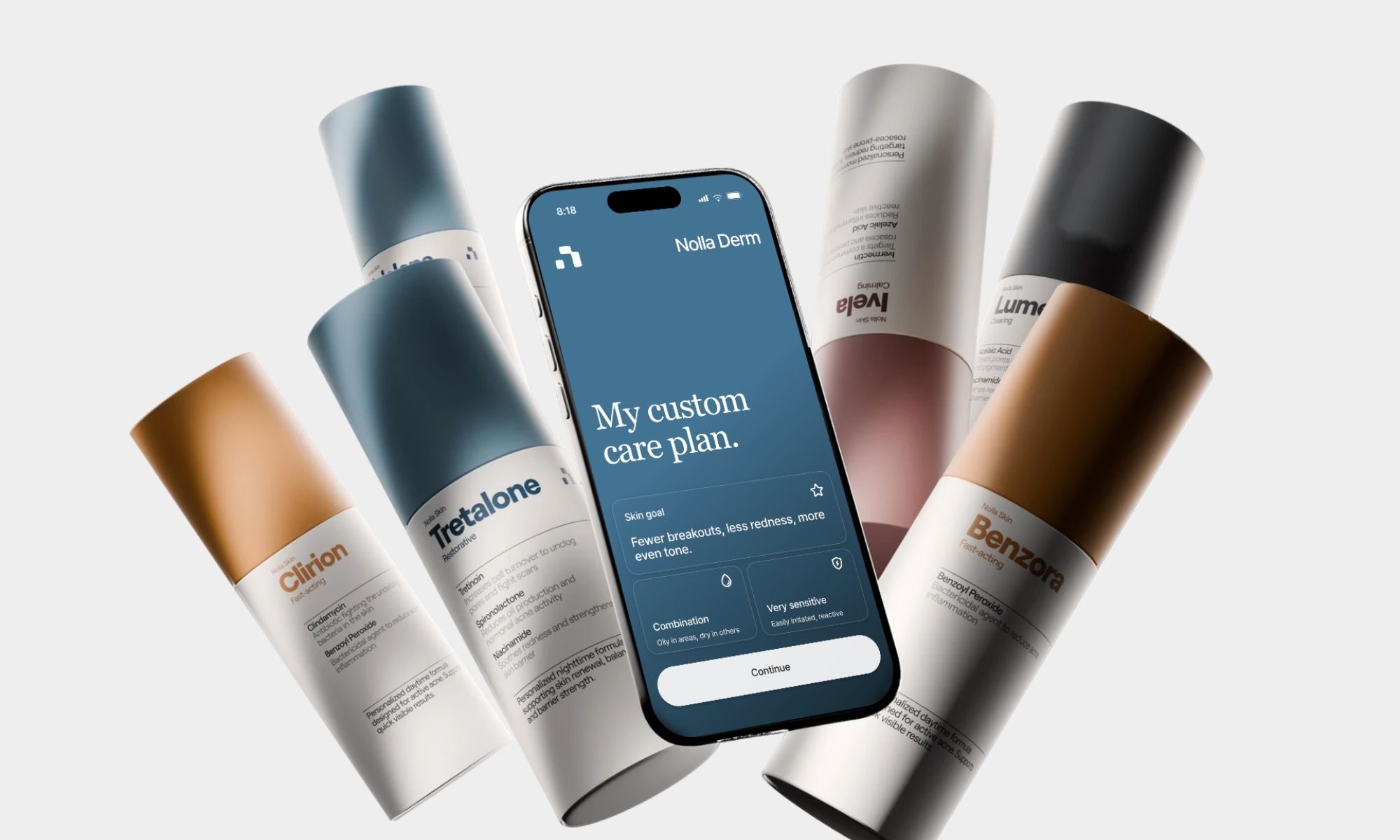
The Nolla Derm app requires a monthly subscription that costs $4.99, and it includes a 15-minute questionnaire in addition to a facial scanner. The app then writes a personalized prescription treatment plan, and if it is unsure about the skin condition, it connects the patient with a certified healthcare professional. Nolla says the AI can prescribe medicine and create a detailed skin care plan for conditions like acne, redness, fine lines and wrinkles, hyperpigmentation and dark spots, and under-eye bags.
In the early days, for the first 100 patients, a healthcare expert will take a look and approve every single prescription written by the AI. Over time, human intervention on weekly reviews will be phased out. Once the medication has been delivered or taken, patients can have regular scans of their face to monitor how their body is responding to the medication and track recovery. The app also allows users to directly contact a licensed physician for additional consultation if they need it.
Nolla claims that in over 97% of cases, licensed clinicians approve the medications prescribed by the AI. For the rest, it is “small adjustments”, instead of a full reform. Nola says it chose acne as a starting point because it is a relatively low-risk medical condition and has been researched in clinical settings for decades. This also means that there is less chance of the AI prescribing a treatment that goes far beyond pre-approved treatments that it is fed as training data.
RELATED COVERAGE: