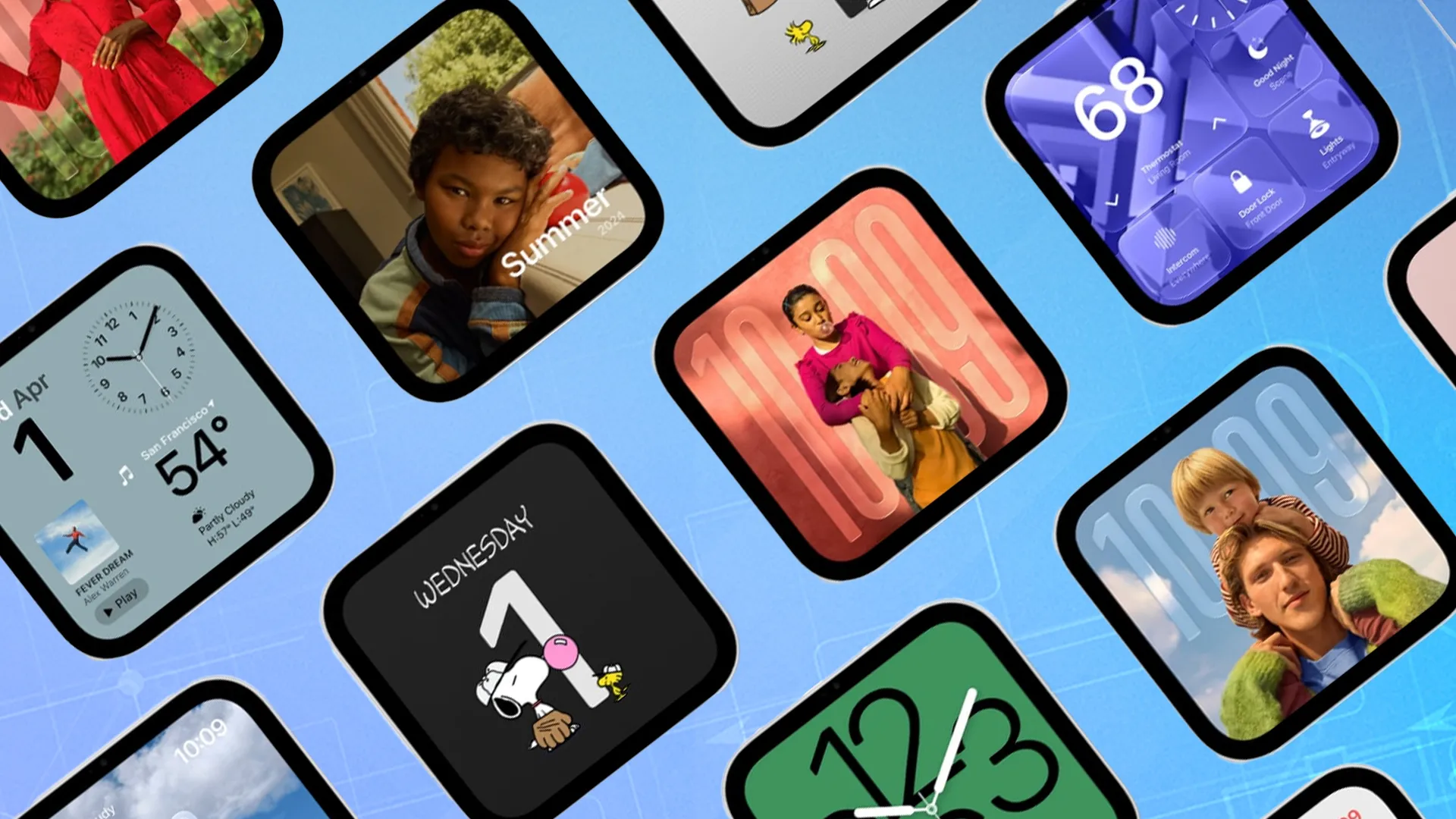
Apple just announced that it will release the HomeView for purchase on November 13th, with pre-orders starting today on October 13th. The new device acts as a smart home hub, complete with a touchscreen, smart speaker, Siri AI, and a security camera dashboard.
Also: I’m an Apple loyalist with an Echo home: 5 ways HomeView could switch me
The HomeView is designed to work with Siri AI as the brain of your Apple Smart Home. As a central smart home hub, the HomeView competes directly with the Amazon Echo Show and Google Nest Hub.
1. Siri is finally getting the upgrade we want
With Siri AI, the Apple Smart Home is finally getting the generative AI upgrade we’ve been wanting for the past few years. As a loyal Apple Home user and smart home device reviewer, I had to watch Siri fall behind Alexa + and Gemini for Home in my house.
In a world where generative and agentic AI is king, Siri has become obsolete.
Also: Forget Wi-Fi: Apple is betting on Bluetooth with its new home devices
With HomeView, Siri AI will be able to hold natural conversations, handle multiple commands simultaneously, maintain context across personal devices and answer common questions unrelated to your smart home.
2. HomeView recognizes who is in front

The Apple HomeView can recognize up to six people and automatically switch to their personalized home screen when someone approaches the device.
“It recognizes your face to switch from a home screen to your own experience, fills the room with incredible sound, keeps you connected to the people who matter most with FaceTime, and makes it easy to control your smart home,” said Greg Joswiak, Apple’s SVP of global marketing, in a press release.
Apple claims that HomeView keeps everyone’s information private and secure. The device uses the built-in camera and presence sensors to detect when someone approaches it and allows each user to customize their home screen apps and widgets.
Users can also set up shared photo albums and music for others to enjoy at home.
3. It’s Matter-compatible, but what else?
Apple said the HomeView works with Apple Home accessories and supports Matter, but it’s not clear if it acts as a thread border router. It is also unclear whether the new HomePod supports Mini Thread, as its predecessor does.
Also: Google Home Speaker vs Amazon Echo Dot Max
You can use the Apple HomeView as a matter and a HomeKit hub in your home. This means that you can connect all Matter-certified smart home devices to each other with the “Works with Apple Home” label.
4. There is an extra safety and security layer

In addition to serving as your smart home hub, the HomeView also provides extra peace of mind for your safety and security. Like the HomePod, this device can detect the sound of smoke and carbon monoxide alarms and then send notifications to the user’s iPhone, iPad and Apple Watch.
5. Show up to 9 camera feeds
As a smart home dashboard, Apple HomeView handles up to 9 camera feeds simultaneously, giving you a complete view of what’s happening in your home on a single screen. You can easily view your HKSV (HomeKit Secure Video) feeds on HomeView, provided you have an iCloud+ subscription and compatible cameras.
6. HomeView doubles as a family comms center

Like the Amazon Echo devices, HomeView makes it easier than ever to stay in touch with your family at home and everywhere else. It can handle FaceTime calls, check locations with Find My and send intercom messages to other Apple devices.
Apple’s intercom feature has been notoriously unreliable in my experience, so I resort to Amazon Alexa’s announcement features to quickly share notes with my family. Unfortunately, intercom messages can take several minutes to get from one device to another in my home, so we’ve given up on it altogether.
Also: I compared ring and blink setups – this brand came out on top
I’m looking forward to testing out HomeView’s intercom feature to hopefully see how Apple has improved what should be a quick method of communication.
7. HomeView uses AI to process security footage

Yes, AI has become a marketing buzzword lately, but one of HomeView’s most appealing features is that it can describe what’s happening in a video clip from your security camera.
Also: iPhone 18 Pro Max can’t call or text on AT&T? Apple will replace it for free
The HomeView, paired with HKSV cameras and an iCloud+ subscription, generates a breakdown of what happened in the video you want to learn more about. Instead of watching a few clips from start to finish, you can get a description: Someone in a blue vest came to your door and dropped off a package.
8. There is also a wall mounted option

As a tabletop device, the Apple HomeView has a large speaker that acts as a base. This rounded speaker has two full-range drivers, a dedicated down-firing woofer, two passive radiators, and spatial audio support.
Apple also offers a wall-mounted alternative for the same price. This is not the same device that you can choose to place on a tabletop or mount on a wall – you have to decide which one to buy at checkout.
The wall-mounted option doesn’t appear to have a dedicated woofer, and it’s unclear if it supports spatial audio. Instead, the wall-mounted HomeView will have two custom drivers and computational audio tuned for wall placement.
Also: Your iPhone just got a hidden anti-scam upgrade in iOS 27: How to enable it
You can buy an extra USB-C wall plug from Apple for $60, an AC cord for $80, and a PoE setup for $130.

See full bio