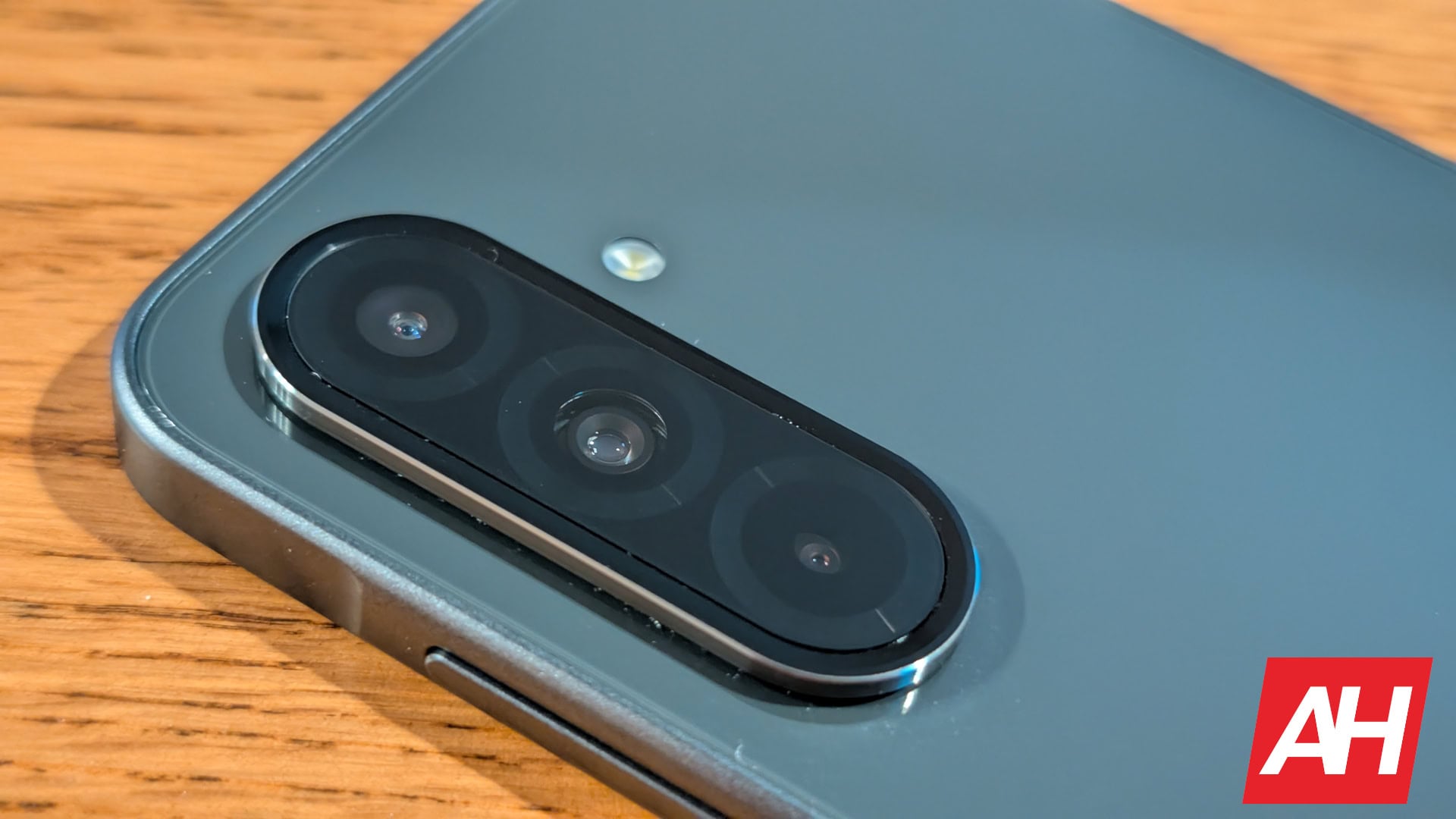
Samsung’s upcoming Galaxy A38 5G is already making early moves for a 2027 launch, but budget-conscious buyers may want to temper their expectations. Between supply chain negotiations and rising component prices across the mobile industry, the company’s next phone may end up costing more and offering fewer features than its predecessor.
Battery listings confirm progress towards 2027 debut
Official regulatory filings provide the clearest evidence that Samsung continues behind the scenes. According to a report by SammyGuru, two new battery cells under model numbers EB-BA386EAE and EB-BA386EAY have recently appeared in the Bureau of Indian Standards database.
These exact battery numbers match previous listings in the GSMA IMEI database. Regulatory listings rarely reveal full hardware specifications, but finding finished battery units in official databases shows that internal testing is proceeding smoothly. Given Samsung’s usual launch schedule, the Galaxy A38 5G should arrive alongside the Galaxy A58 in March or April 2027.
Screen downgrades could significantly lose key features
Despite the progress, recent leaks from Samsung’s supply chain show frustrating commerce under the hood. Samsung plans to fit the Galaxy A38 5G with an older OLED display panel that was originally built for the Galaxy A27 instead of using the better screen on the Galaxy A37.
Recycling an older screen helps Samsung reduce production costs, but users will definitely notice the difference in everyday use. If these reports prove true, the Galaxy A38 5G may suffer from weaker outdoor screen brightness and lose support for Always-On Display, a handy feature that many Galaxy A-series fans take for granted.
The AI boom is driving up phone prices
To make matters worse, an ongoing hardware crisis is pushing phone prices higher throughout the tech industry. Tech companies and data center operators are pouring billions into artificial intelligence infrastructure, consuming huge supplies of memory and storage chips in the process.
The sudden surge in demand has triggered a global memory shortage that is driving up production costs for phone makers. Therefore, Samsung will probably have to increase the retail price of the Galaxy A38 5G, leaving the buyer with a more expensive phone that actually delivers a downgrade in screen quality.