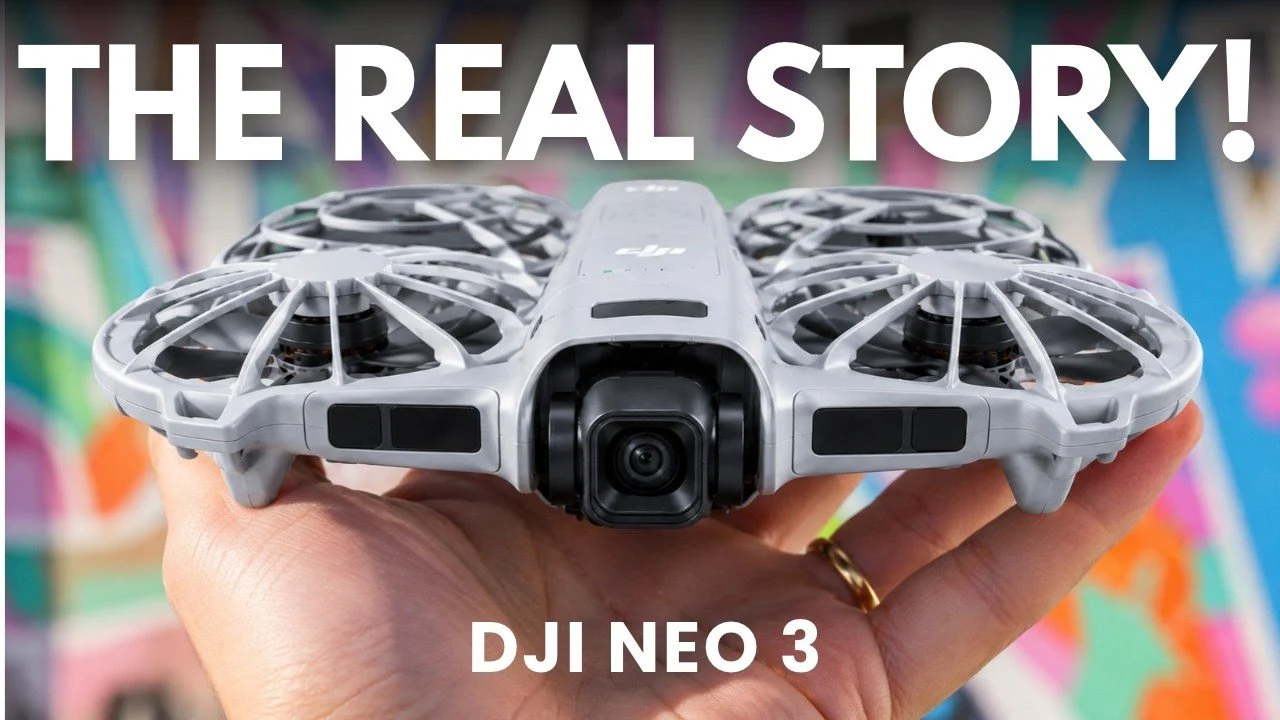
The DJI Neo 3 introduces a number of updates to the compact drone market, but it comes with notable compromises. According to Tech Court, the drone has a newly designed three-cell battery with a 64% increase in energy capacityfor the extension of flight times. However, the added weight and increased power requirements of its updated hardware result in an estimated flight duration of just 14-16 minutes. For users of the Neo 2, this marginal improvement may not outweigh the benefits of sticking with third-party battery options that already offer similar performance.
Discover how the Neo 3’s native vertical shooting mode corresponds to social media content creators and why its omnidirectional obstacle avoidance system improved security in complex environments. Take a look at the compact design of the new RC Mini Controller and how it complements the portability of the drone. This deep dive will help you assess whether the Neo 3 meets your needs as a first-time buyer or as an upgrade option.
Incremental gains with trade-offs
TL;DR key takeaways:
- The DJI Neo 3 has a redesigned battery with a 64% increase in energy capacity, offering flight times of 14-16 minutes, although the real-world improvement over the Neo 2 is modest.
- Camera upgrades include a larger 1/1.1-inch sensor and native vertical shooting, making it ideal for content creators focused on social media platforms like TikTok and Instagram.
- An omnidirectional obstacle avoidance system improves safety and tracking, making the Neo 3 suitable for dynamic environments such as walking and cycling.
- The new RC Mini Controller emphasizes portability with a built-in display, although its compatibility with other DJI drones is uncertain.
- The Neo 3 is best suited for first-time buyers or users who prioritize vertical shooting, advanced tracking and portability, while Neo 2 owners should evaluate whether the upgrades align with their specific needs.
Battery life
The Neo 3 features a newly designed three-cell battery with a 64% increase in energy capacitywith 18.9Wh compared to the Neo 2’s 11.5Wh. This upgrade promises longer flight times, but the added weight, 193g versus the Neo 2’s 151g, combined with the demands of its updated hardware, may limit the real-world benefits. DJI estimates flight times of 14-16 minutes under normal conditionswhich is only a modest improvement over the Neo 2.
For existing Neo 2 users, third-party extended batteries may still provide better flight duration. If maximum flight time is your primary concern, the Neo 3’s battery upgrade may not deliver the substantial improvement you’re looking for. However, for first-time buyers, the increased battery could provide a more reliable and consistent flying experience.
Camera upgrades: A focus on content creation
The Neo 3’s camera has a larger one 1/1.1-inch field sensorproviding improved image quality and greater framing flexibility. This upgrade is especially attractive for Content creatorsas the drone now supports native vertical shootingmaking it ideal for platforms like TikTok and Instagram.
While the improved sensor improves overall image quality, Neo 2 users may find the upgrade less compelling if vertical content isn’t a priority. The Neo 2’s camera remains highly capable for most recreational and professional applications, so the decision to upgrade will largely depend on how much you value the new vertical shooting mode and the slight boost in image quality.

Advance your skills in the DJI Neo 3 by reading more of our detailed content.
Obstacle Avoidance: Advanced Safety and Tracking
One of the standout features of the Neo 3 is its omnidirectional obstacle avoidance systemwhich significantly improves autonomous tracking capabilities. This makes the drone particularly good for activities such as walk, ride a bikeor other dynamic environments where seamless tracking and security are critical.
While the Neo 2 already offers effective obstacle avoidance, the Neo 3’s system offers an extra layer of reliability, especially in challenging or fast-paced scenarios. For users who frequently operate their drones in complex environments, this feature may be a compelling reason to consider an upgrade.
RC Mini Controller: Compact design for portability
The Neo 3 represents the Mini RCa compact controller with a built-in display. This design priority portability and offers a streamlined experience for manual control, aligned with the drone’s focus on comfort and ease of use.
However, its compatibility with other DJI drones remains uncertain, which could limit its appeal to users who own multiple DJI devices. If you value portability and a simplified control experience, the RC Mini can be a valuable addition to your setup. For those who already own a Neo 2, the controller alone may not justify an upgrade unless portability is a top priority.
Is the Neo 3 worth the upgrade for Neo 2 owners?
For current Neo 2 owners, the decision to upgrade depends on your specific needs and how well the features of the Neo 3 align with them. While the Neo 3 offers meaningful improvements, these upgrades may not be significant enough to justify the cost for any user. Key factors to consider include:
- Whether the modest improvement in battery life meets your expectations for longer flights.
- The importance of portability and simplicity of the RC Mini Controller in your workflow.
- How often do you benefit from enhanced tracking and vertical shooting capabilities.
If these features align with your use cases, the Neo 3 may be worth the investment. Otherwise, the Neo 2 remains a strong and reliable option for most applications.
Who should consider the Neo 3?
The Neo 3 is an excellent choice for first time buyer or original Neo users upgrading to a more feature-rich and portable drone. It is particularly well suited for:
- Content creators prioritize vertical shooting and improve image quality for social media platforms.
- Outdoor enthusiasts who require reliable tracking and obstacle avoidance in dynamic environments.
- Users are looking for a compact and convenient controller for increased portability and ease of use.
For Neo 2 owners, the decision to upgrade should be carefully evaluated based on whether the features of the Neo 3 address your specific needs. If vertical shooting, improved tracking, or the RC Mini Controller are not priorities, the Neo 2 is the more practical choice.
Final thoughts on the DJI Neo 3
The DJI Neo 3 represents a thoughtful evolution in compact drone technology, offering improvements and portability, Camera performanceand and Avoid obstacles. While these upgrades improve the overall user experience, they may not be innovative enough to compel all Neo 2 owners to make the switch. For new buyers, however, the Neo 3 delivers a well-rounded package that balances innovation with practicality, making it a strong contender in the competitive compact drone market.
Media Credit: Tech Court
Filed Under: Gadget News, Top News
Disclosure: Some of our articles contain affiliate links. If you purchase something through one of these links, Geeky Gadgets may earn an affiliate commission. Learn about our disclosure policy.