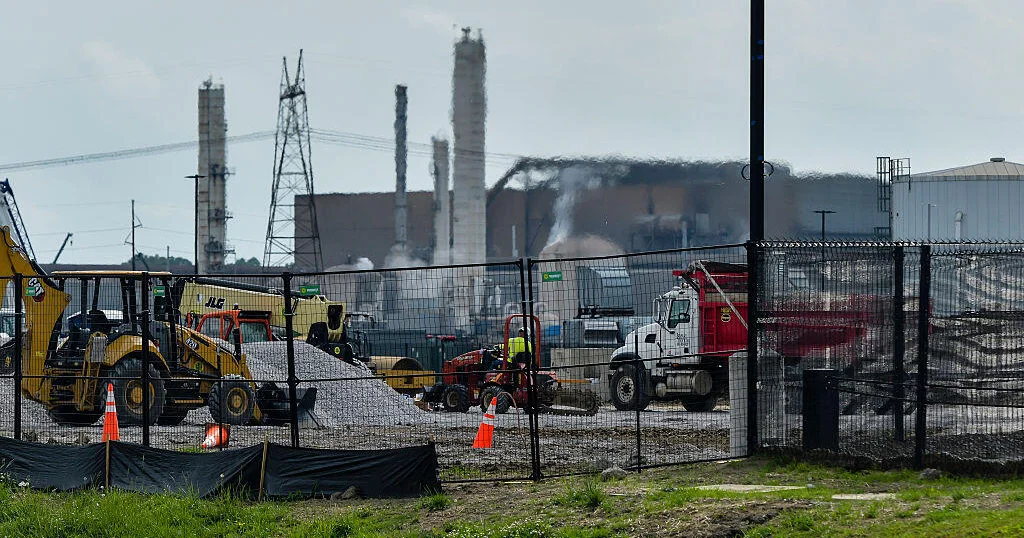
In a heated city council meeting Tuesday, leaders in Memphis, Tenn., voted against a moratorium that would have paused data center development for a year in the city, which has become a hotspot for the facilities. Elon Musk’s SpaceXAI.
Instead, City Council members passed a substitute ordinance — which some said they were given on short notice and didn’t have time to review — that would halt data center construction for 135 days.
Residents and activists have pushed against data center development in the area for years, starting with construction of SpaceXAI’s Colossus 1 data center in 2024. The company has also built two other data centers and has two under construction in Memphis and the surrounding area, including across the state line in Southaven, Mississippi.
Also in Southaven, a plant that powers the company’s data centers uses methane gas turbines, prompting a lawsuit by the NAACP and other organizations over alleged pollution.
SpaceXAI did not respond to a request for comment. The Trump administration moved to dismiss the case, but earlier Tuesday a Mississippi federal judge blocked that bid.
Supporters of data centers advocate them need to support the growth of artificial intelligence technology. Advocates also say they create much-needed jobs, although experts argue many of these jobs are in the construction industry and therefore temporary.
The moratorium would have paused construction of new data centers for a year, allowing the city to adopt permanent zoning and development regulations as well as set disclosure requirements for data center applicants. It would also have been possible to study impacts on air quality, electrical infrastructure, water protection and noise. The moratorium would not have stopped existing data center operations.
The language of the ordinance, which was passed Tuesday, says it is intended to supplement Memphis Mayor Paul Young’s executive order to establish a 90-day period to study the impacts of the data center development.
Many participants in the chambers were shocked and confused by the proposal for the new ordinance. Some members of the crowd stayed in the chamber after the vote where they chanted, chanted and vocalized their frustrations.
The city council’s move comes after a postponement of the vote earlier this month sparked protests in the chambers and led to an early end to an October 6 meeting.
The opposition of community members to the data center development in Memphis reflects the broader attitude across America in recent months. According to a recent survey by the Pew Research Center, over half of Americans say they are not comfortable with a new data center operating in their area—a sentiment that carries over into Municipal council meetings in the town houses throughout the country.
Before the vote, KeShaun Pearson, the executive director of the Memphis Community Against Pollution, said community members were concerned about what they felt was a lack of transparency from local government officials in the environmental impacts of data centers.
“It’s like the people who were elected to protect us and stand up for business and be that representative just completely abdicated that responsibility and left us to fend for ourselves,” he said.
Pearson and his brother, Tennessee Rep. Justin Pearson, were among a handful of people banned from city council meetings following the protests at City Hall earlier this month.
A federal judge overturned the ban and the two were present at the vote. Pearson and the group sued the city council over the ban.