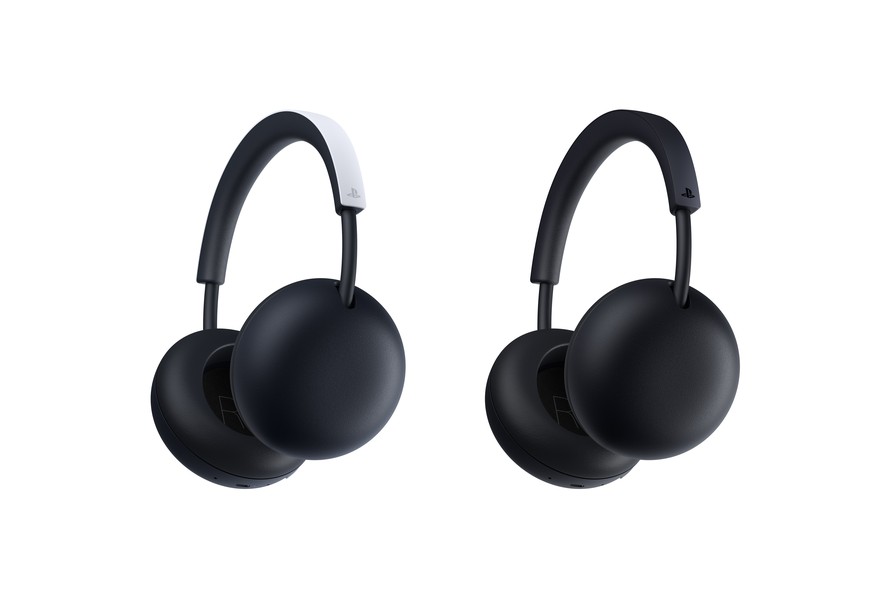
PlayStation Pulse in the Pulse Edge share planar magnetic drivers and PlayStation Link, but the practical difference is greater than their similar silhouettes. Edge adds active noise cancellation, a detachable boom microphone and more controls, while the standard model reaches the US first. Choose around the room you play in, the way you chat and whether you need a headset this holiday season.
Active noise cancellation is an Edge feature

The standard pulse has four magnets per planar driverwhile Edge has eight. Sony describes the Edge design as fuller bass. The magnetic count explains a construction difference; it does not establish that all listeners prefer the result or that the audio quality doubles with the number.
The more direct difference is active noise cancellation on Edge. This feature is missing from the standard model in Sony’s comparison. If your gaming room shares space with household activity, ambient noise management may be more relevant than driver specification.
Think about what interruption you are trying to manage. The sound that reaches the ears and the background sound in the microphone are separate problems. A headset can address one without solving the other, so don’t treat noise rejection for voice chat as another name for listening to ANC.
If demonstrations or retail units are available, fit in that comparison. How the earcups sit and how the headset feels during a full session is just as important as the electronics. A driver label cannot tell you if the physical design fits your head.
Choose a microphone arrangement that you will actually use

Standard Pulse uses a integrated microphone with AI-enhanced noise rejection. Edge offers a detachable boom microphone with noise rejection, plus a hidden microphone when the boom is removed. That gives Edge a physical choice between a visible chat setup and a less noticeable arrangement.
A boom can be useful if you want an obvious microphone position, while an integrated design keeps the headset easy to put on and carry. Actual voice quality still depends on placement, room and processing. The announcement provides feature information rather than independent recordings that determine which microphone sounds better.
Sony also retains built-in PS5 game audio/chat balance control, an audio/microphone jack and the included carrying case for Edge. These differences concern everyday handling. Decide if you want direct access to the mix and a protective case as part of the package, rather than the two models differing only in their drivers.
Keep PlayStation Link and Bluetooth roles separate

Both include a USB-C PlayStation Link Adapter and supports simultaneous Bluetooth connectivity with a compatible device. Sony describes using PlayStation Link for game audio, while a phone offers Bluetooth calls or music. That’s a useful difference from assuming that the console itself provides an ordinary Bluetooth headset connection.
PlayStation Link supports compatible PS5, PlayStation Portal, PC and Mac use. Check the device and the available connector in your own setup before treating a common wireless label as universal compatibility. The adapter, the host device, and the connection mode all belong in that check.
Connectivity flexibility is also featured in our Razer Barracuda V2 Pro versus Barracuda Pro comparison. The useful habit is the same: list the devices you use during a session, then identify which connection handles the game and which calls or another audio source.
The release schedule makes this a two-stage choice

The Puls family was announced on September 15, 2026. Sony’s October 21st update will launch on November 19th for the standard headset in the US and other named markets, with US direct pre-orders starting on October 29th at 7am Pacific. Edge remains scheduled for early 2027, with further launch details to come.
For a holiday purchase, that timing is important regardless of functions. A later model may more closely match your preferences, but it may not fill the same immediate need unless you’re willing to wait. Both versions have rotating ear cups that lie flat and come in white or midnight black.
If you already own a headset, identify the missing function before replacing it. A clearer microphone arrangement, direct mix control or ANC may be a specific reason to change. A new model name alone does not establish that your current setup is inadequate.
The official PlayStation announcement confirmed a $99.99 US recommended price for Standard Pulse. A Pulse Edge US price has not yet been announced. Compare the full feature set and eventual price before treating Edge as an automatic upgrade, especially if ANC, the boom mic or extra controls aren’t priorities.
| function | PlayStation Pulse | Pulse Edge |
|---|---|---|
| Start date | US release November 19, 2026; Pre-orders on October 29th | planned for early 2027; exact date not announced |
| Planar driver magnets | Four per driver | Eight per driver |
| Active noise cancellation | No, according to Sony’s comparison | Yes |
| Microphone | Integrated; AI-enhanced noise rejection | removable boom plus hidden mic; Noise rejection |
| PlayStation Link Adapter | USB-C adapter included | USB-C adapter included |
| Simultaneous Bluetooth | Yes, with compatible devices | Yes, with compatible devices |
| Built-in PS5 game/chat balance control | Not included in Sony’s function table | Yes |
| Audio/microphone jack | Not included in Sony’s function table | Yes |
| Includes carrying case | No | Yes |
| Colors | White; Midnight Black | White; Midnight Black |
| Where to buy | Look at PlayStation | Look at PlayStation |