I have been writing about technology for a long time. Gadgets come and go. Apps promise to make life easier, then quietly disappear. Over time, you develop a certain skepticism – not because technology can’t help, but because it often over-promises and under-delivers.
Health technology feels different.
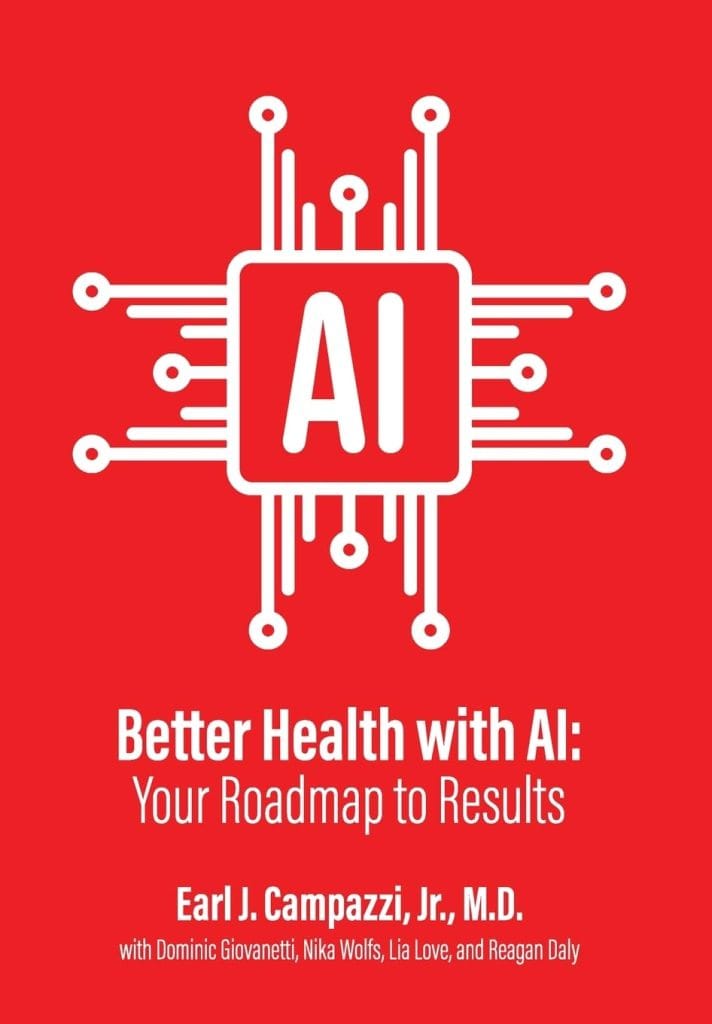
When artificial intelligence enters the conversation around healthcare, reactions tend to polarize quickly. Some people lean in with excitement, convinced that it will fix what is broken. Others move, worried about privacy, bad advice or machines replacing human judgement. Before you talk to Dr. Earl Campazzi—and before you read his book, Better Health with AI: Your Roadmap to Results – I was probably somewhere between cautious and curious. I knew AI was already doing some things well, but I wasn’t convinced that much of it would translate into every day, practical use for most people.
This view has changed – not dramatically, and not uncritically – but enough to make me think about where we actually are now.
AI is already better than humans at some things – just not the things we notice
One of the most interesting points that Dr. The interpretation of certain laboratory results is an example. Machines don’t get tired, distracted, or rushed. They are exceptionally good at seeing patterns in massive data sets – something humans are simply not built to do at scale.

Better Health With AI: Your Roadmap to Results
At the same time we are told, a written list of medications at medical appointments or the emergency room. Not a screenshot. Not an app. A piece of paper.
That contrast says a lot about where we really are.
Some parts of the healthcare industry are quietly very advanced. Others remain stubbornly manual. The future does not come suddenly – it is uneven.
The tech you already have can do more than you know
What surprised me the most was how little emphasis Dr. Campazzi placed on buying new gadgets. This isn’t about chasing the latest wearable or installing every health app you can find. In many cases, the tools that people already own collect useful information.
Smartwatches and fitness trackers continuously collect data – heart rate, sleep, movement, sometimes stress indicators. Most of us look at these numbers briefly, if at all, and move on. Alone they feel abstract.
Where AI becomes useful is connecting these dots over time.
Humans are not good at noticing slow, incremental change. AI is. There may be trends that are easy to miss – sleep quality drops before you feel exhausted, activity levels that drift downward or irregular patterns that don’t stand out every day. These are not diagnoses, but they are signals. And signals, if noticed early, can change the timing of decisions.
Dr. Campazzi shared examples where wearable data helped flag atrial fibrillation before symptoms were apparent, prompting medical follow-up that reduced stroke risk. No device made the diagnosis – but awareness shifted the outcome.
Consistency beats intention – and I see this in my own habits
When the pursuit starts to feel like work, most people stop doing it. I saw this firsthand.
At one point, I made a conscious effort to track my protein intake. I knew it was important. I knew why it was important. And I still gave up pretty quickly – not because it wasn’t important, but because manual tracking got boring.
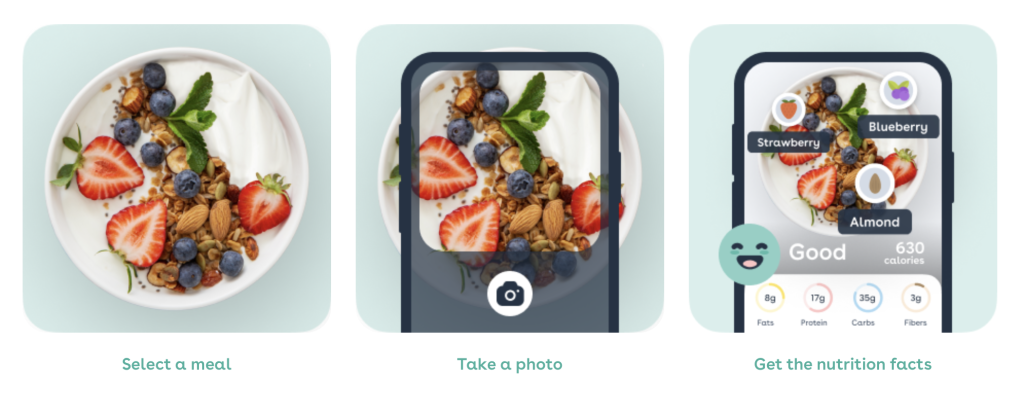
That’s where apps can help — not by making tracking perfect, but by making it tolerable. Lowering the barrier is often enough to keep people engaged long enough for patterns to emerge.
I noticed the same thing with my Fitbit. I look at my stats every day, but only because it’s effortless. For a long time I didn’t even fully understand what the “Readiness” score represented – it was just another number. After my conversation with Dr. Campazzi, I began to pay more attention to how it reflects sleep, activity, and arousal together, rather than focusing on each metric in isolation.
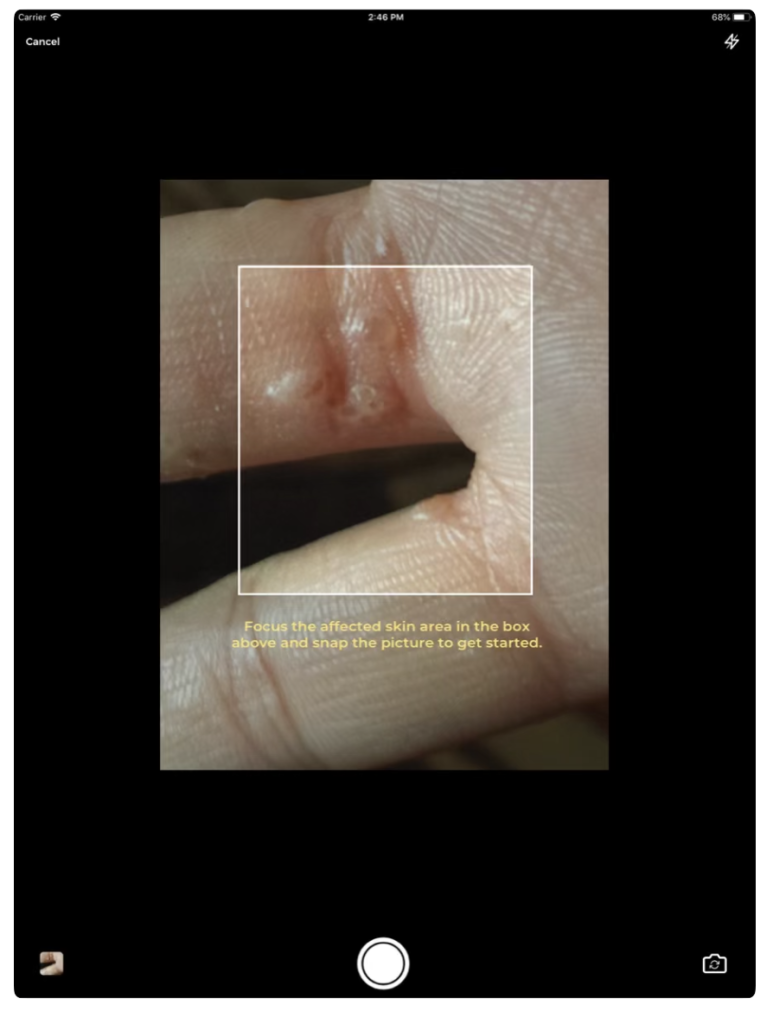
1 of 80+ apps referenced in Dr. Earl’s book.
Recent bias is real – and AI can help counter it
An insight from Dr recent assumption – our tendency to focus on the most recent data point and assume that it represents the whole story.
It’s something I always see in myself. If I have a bad night’s sleep, the result is big. When yesterday’s numbers look good, it’s tempting to assume that all is well.
Dr. Campazzi pointed out that individual data points are much less important than trends over time. That’s where AI-powered aggregation becomes valuable. Downloading data and analyzing an aggregator pattern over weeks or months can reveal things that daily check-ins simply cannot.
In other words, the value is not in today’s Number – it is in that which quietly changes over time.
The most useful AI skill is not getting answers – it’s asking better questions
One of the most practical ideas Better health with AI is what Dr.
Instead of asking AI anxiety-driven questions – What is wrong with me? Should I be worried? – he encourages starting with context and goals. Here is what I noticed. Here’s what changed. What questions should I ask my doctor?
That reframing is important.
AI works best as a preparation tool, not an authority. It helps organize thoughts, summarize patterns, and surface questions you might not think to ask under pressure. In a healthcare system where appointments are limited, better preparation often leads to better conversations.
It’s a mindset I already use in my work – AI helps me think more clearly, not think for me. Applied to health, that difference becomes even more important.
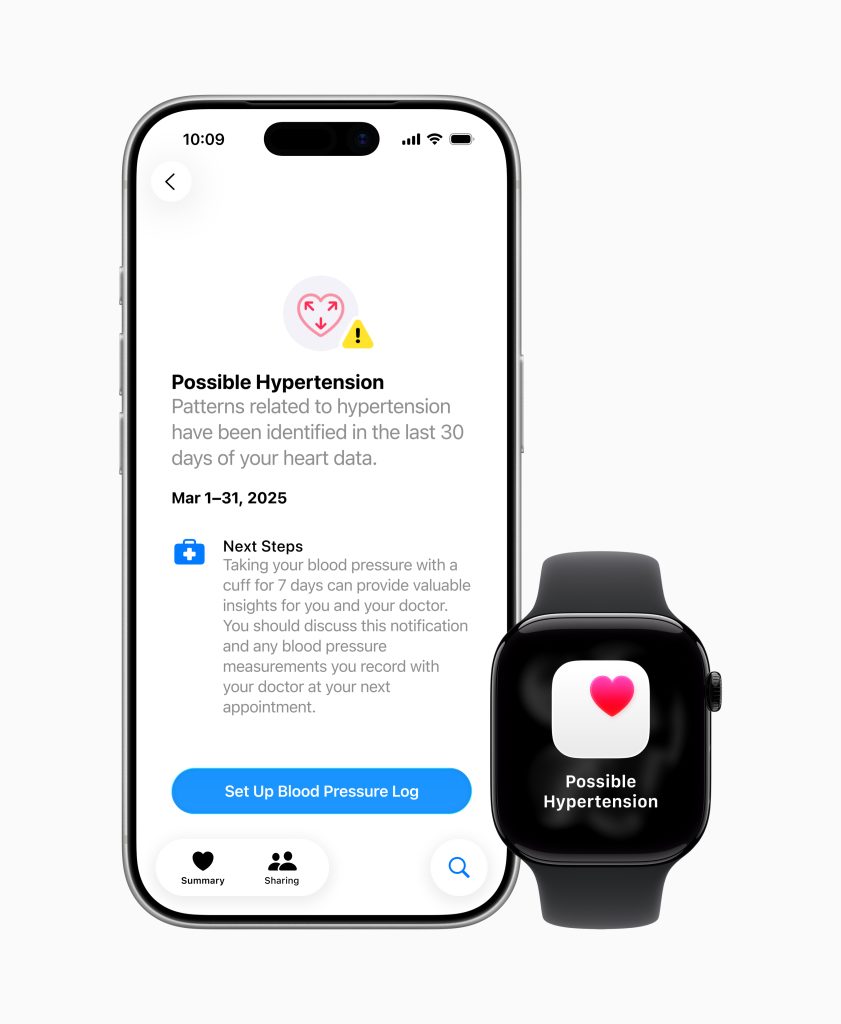
Photo by Apple Inc.
This doesn’t feel equally far-fetched to everyone – and that’s okay
For some, this may still feel like a next-decade conversation—or even something closer to science fiction. But seeing where AI already outperforms humans in narrow tasks, and where it clearly doesn’t, makes it less far-fetched for me. The gap between “one day” and “soon” is shrinking.
At the same time, the fact that we still rely on handwritten medication lists is a reminder that progress does not move at the same speed everywhere. Both things can be true at once.
Sometimes the most useful advice is still analog
For all the talk of AI and apps, one of the most practical takeaways from my conversation with Dr. Campazzi was refreshingly low-tech.
He recommends keeping a simple printed list of medications, dosages, supplements, allergies and major surgeries in your wallet or purse. Not on a phone. On paper.
In an emergency, the paper still works. And that reminder perfectly captures the spirit of the book: technology should support real life, not complicate it.
This is not about living forever – it’s about living better
Better health with AI It’s not about optimization for its own sake or chasing perfect numbers. It’s about maintaining independence, reducing unpleasant surprises, and staying engaged with your own health decisions.
Awareness does not guarantee results. But it improves chance. And often, improved odds come from patterns previously noticed than we used to.
Talking to Dr. Earl Campazzi—and reading his book—didn’t suddenly get me excited about any health app or wearable. What it did was sharpen my thinking about where technology really helps, where restriction matters, and how much value already exists in tools that many of us carry around every day.
Sometimes the biggest shift is not adopting new technology.
It’s learning how to use what you already have – thoughtfully.
Better Health with AI: Your Roadmap to Results is available in paperback, hardcover, eBook, and audiobook formats. You can find it on Amazon or on https://www.betterhealthwithai.com.