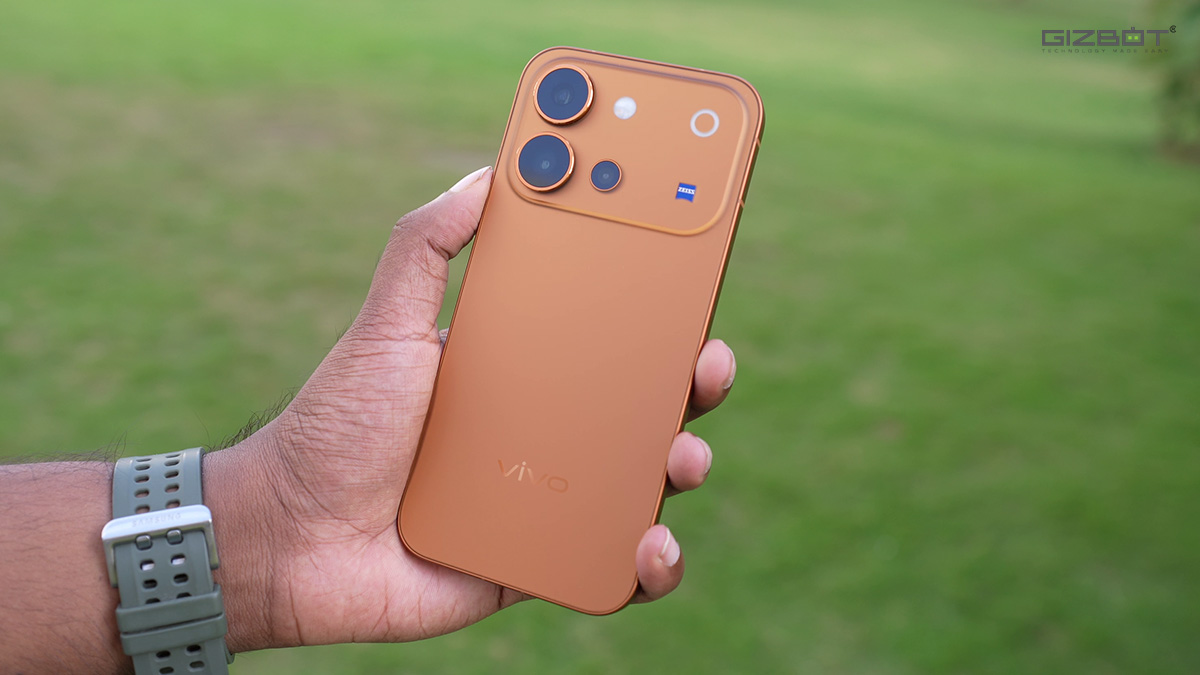
Cameras have always been the biggest selling point of the Vivo V series, and the V80 continues that tradition. On the back you get a 50MP Sony LYTIA 700V primary sensor with OIS, a 50MP Sony IMX882 telephoto camera with 3x optical zoom and OIS, and an 8MP ultrawide. There is also a 50MP autofocus camera on the front.
I’ve already spent quite a bit of time comparing the Vivo V80 against the Motorola Signature and the Xiaomi 17T for a dedicated camera comparison, and I have to say, all three phones are really capable shooters. However, when it comes to portraits, I personally found myself leaning towards the Vivo more often.
But before we get to portraits, let’s talk about the primary camera. The 50MP Sony LYTIA 700V is a relatively capable sensor, and the images it produces have plenty of detail, good contrast and pleasing colors. Daylight photography is particularly strong, and I like that the Vivo’s processing generally strikes a good balance between making an image attractive and keeping it relatively natural.
You also get multiple color profiles, along with the option to create your own color palette by adjusting the warmth, saturation and overall tone of an image. I think this is a useful addition because everyone has a slightly different preference when it comes to colors.
Low-light photography is a bit more complicated. The primary camera can capture good-looking images after sunset, although highlights from strong light sources are not always handled perfectly, and dark areas can lose some finer details. Night mode helps, but this isn’t quite the consistently excellent low-light experience you’d expect from a true flagship.
Vivo’s collaboration with ZEISS continues to pay off here. The V80 offers multiple portrait focal lengths, including 23mm, 35mm, 50mm, 85mm and 100mm, along with various ZEISS-inspired bokeh effects. You can experiment with the look of the background instead of settling for the same artificial blur in every photo.
The 50MP telephoto camera, in particular, makes a significant difference. Its 3x optical zoom gives portraits a flatter perspective, and you don’t need to stand awkwardly close to a face to get a closer composition. It is also useful for photographing distant subjects without relying directly on digital cropping.
There is also a lot to experiment with. Vivo offers ZEISS bokeh styles such as Biotar, Sonnar and Planar, along with creative lighting effects. I especially appreciate having these options right in the camera app instead of having to edit each portrait afterwards. That said, I would recommend turning down the beauty filter if you prefer natural looking skin textures.
Unfortunately, the 8MP ultrawide camera isn’t quite up to par with the other two cameras. It’s good for squeezing more people into a photo or capturing a wider landscape, but the drop in detail is noticeable.
The 50MP autofocus selfie camera is much more interesting. It uses a particularly wide 20mm focal length, which makes it useful for group selfies without stretching your arm too far. Autofocus is another welcome addition, while the ability to switch between wider and narrower framing makes it more versatile than a typical front-facing camera.