
WhatsApp is the latest platform to strengthen its parental control rules as regulators around the world impose strict security measures on communication and social media platforms. The Meta-owned instant messaging app, used by billions of users worldwide, introduces parental controls for teenage users.
Parents get more control over groups, status, and meta AI
A key focus is on who teenage users interact with on the platform, a strategy that mirrors what Meta has done with Instagram and how Snapchat handles group chats. As such, WhatsApp will now notify parents when children join or leave a group chat. They are also alerted when the group size reaches a certain threshold in terms of number of members.
Parents can also decide which status updates their children can see, and vice versa. Similar rules apply to interactions in channels, which are essentially WhatsApp’s implementation of broadcast groups, similar to Telegram. In addition, parents can also decide whether children can access the full Meta AI experience, allowing them to set various restrictions as well.
WhatsApp keeps teen chats private
Notably, the new set of parental controls on WhatsApp is optional and not mandatory implemented for accounts belonging to teenage users. WhatsApp assures that all chats will still remain private, protected by end-to-end encryption, which means that, despite the security safeguards, parents will not be able to see the messages their children exchange.
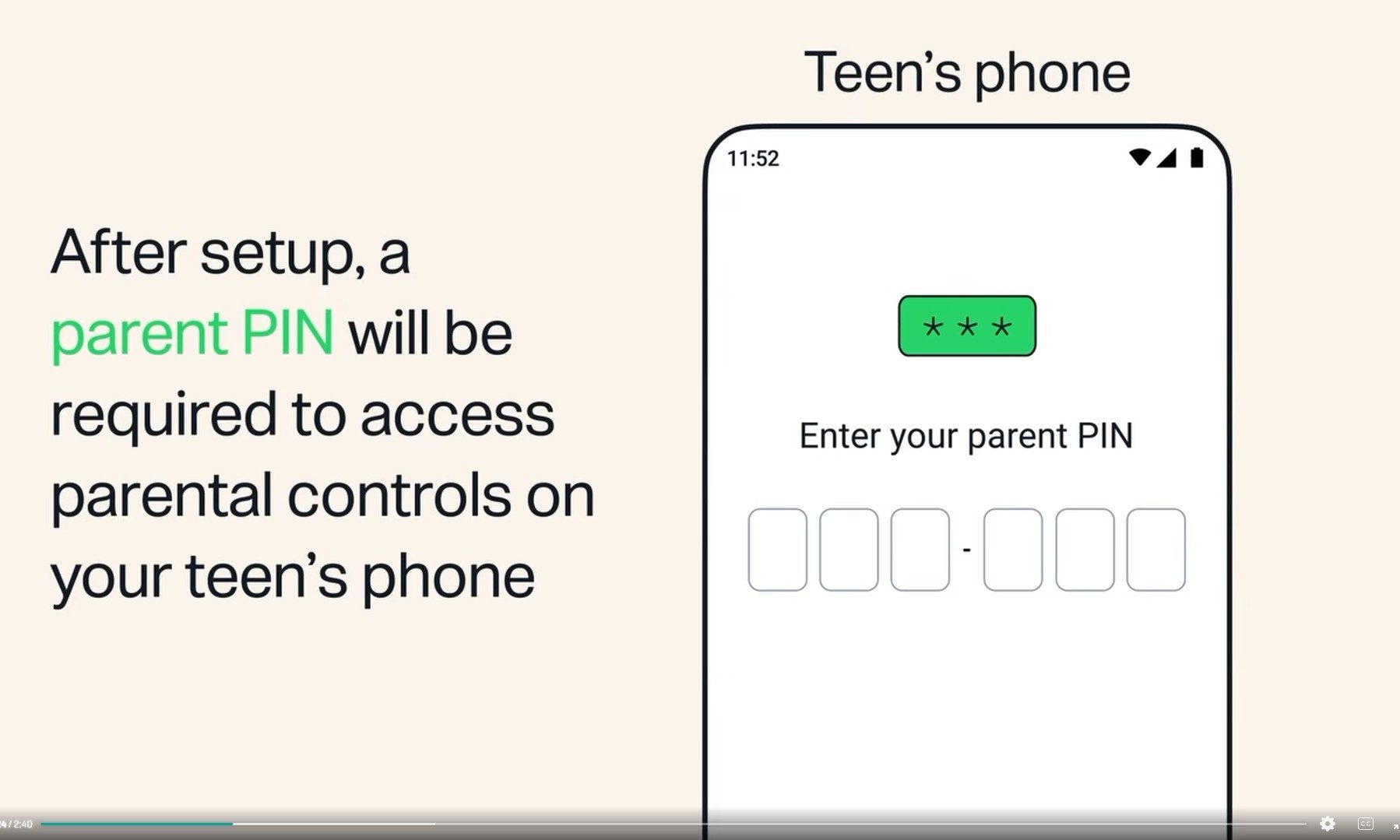
“Parents can choose the right privacy settings for their teen, like who can see their profile picture or add them to groups. If a teen wants to relax any of these settings, they need their parents’ approval via a parental PIN,” the company says in a press release. On the implementation side, to enable the new parental control for teenagers, the guardians have to link their WhatsApp account to the accounts of their teenage children, as per the support page.
In recent months, major social media platforms such as Instagram, Facebook, and TikTok have attracted the ire of activists and regulators due to the risks posed by social media platforms and unsafe interactions to children on the Internet. These platforms have paid billions of dollars to settle lawsuits and have agreed to impose many changes, such as daily usage limits, time restrictions, and increased monitoring for parents.
RELATED COVERAGE