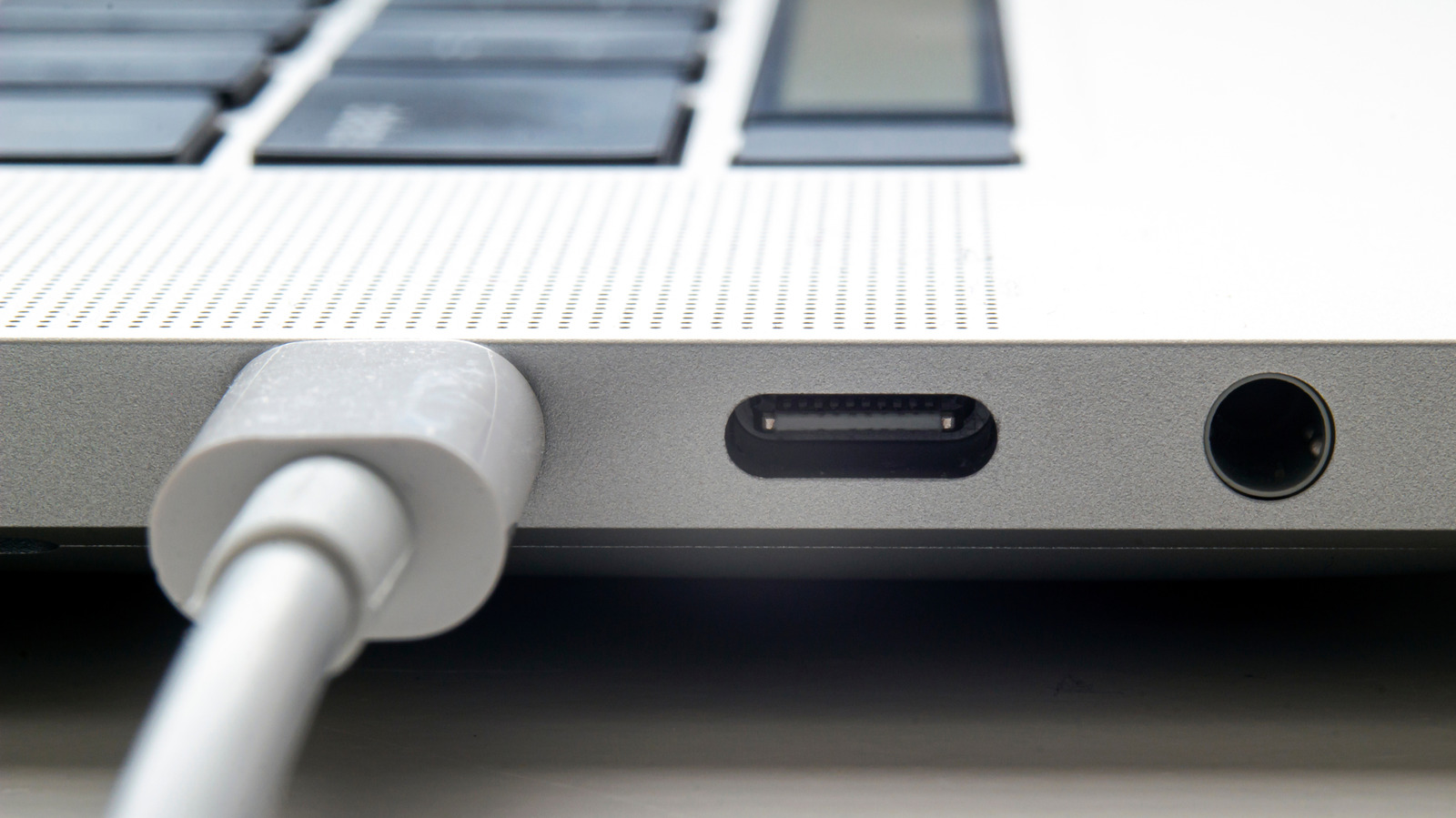
Fix hardware and software issues with a few simple solutions.
USB wouldn’t be what it is today without Apple. The format predates the original iconic iMac – but Apple’s gumdrop-shaped computer helped popularize it by ditching all the legacy connectors that plagued the industry. USB became so common, in fact, that push came back to bite the company, with EU regulations forcing it to ditch Lightning ports on iPhones. The days of Apple-exclusive ports are effectively over, MagSafe being the great remaining holdout.
Modern USB Mac accessories tend to behave well. Sometimes, however, macOS can’t recognize them, which is understandably crazy. With USB as widespread as it is, anything less than a seamless experience feels unacceptable.
The good news is that there are known hardware and software explanations for why this happens, such as a damaged cord or an accessory that requires more power. In many situations, the fixes are remarkably simple, especially on the MacOS side. However, there are rare cases where you need to seek outside help.
How to troubleshoot missing USB devices on your Mac

The first thing to remember is that by default, macOS requires you to grant permission to connect accessories. This prevents malware from being injected. At the same time, if you accidentally decline a permission request, a legitimate accessory will not transmit data until you give the green light. Charging should still work in either direction.
Usually, you can force MacOS to show the permission prompt again by disabling an accessory and re-entering it. To minimize future stress, however, give up Apple Menu > System Preferences > Privacy & Securitythen scroll down to the Accessories section. Here you can choose Ask for new accessories, Automatically allowed when unlocked or Always allow. It is best to skip the third option unless you are always around your Mac or in a very secure environment.
If that doesn’t change anything, you might want to verify that macOS sees your device in the first place. Hold down the Option key and then click on Apple Menu > System Information. If you see the accessory listed below HardwareYou may need to check the manufacturer’s online support info. If it’s invisible, or if it’s detected but you keep getting an error message when connecting, we can help more.
A possible cause in this sense is power. Some accessories may require more than a Mac’s USB port can deliver, in which case you should receive a related message, and you can plug in a separate power cable. If there is no separate power on your accessory, however, the USB port itself can be the problem. Try alternate ports on your Mac or connect directly if you’re using a hub or dock as an intermediary. If you keep getting power-related warnings, you might want to talk to Apple Tech Support—it could be that your Mac just isn’t feeding power to USB.
Other potential USB flaws and their fixes
Speaking of hubs and docks, don’t forget that those often need their own power supply. And even if they don’t, things can go wrong with device chains, because they obviously have to transmit power or data over multiple hops. We recently had an experience with a Thunderbolt dock in which a wireless mouse receiver became unusable until it was plugged directly into a laptop – whatever SSD was on the dock it was fine. It is always safer to skip the middle man if you have enough ports free.
Make sure macOS is fully up-to-date by going to Apple Menu > System Settings > Generalthen click on Software update. Bugs or driver compatibility issues could hypothetically interfere. Some accessories may also rely on proprietary software to do much of everything, in which case you’ll want to make sure the latest version of that is installed. Check the Mac App Store or a manufacturer’s website. External cards and drives must use file system formats compatible with macOS, namely APFS, FAT or ExFAT.
Finally, make sure you are using the right type of USB cable for the power and bandwidth requirements of a device and that there is no damage or debris interfering with either cables or ports. Things like lint and bent pins can be all it takes to block something from working. Lint, dust and grime can typically be cleaned with an air blower or by gently using a soft tip tool. As for the damage, you probably just need to swap out a new cable, especially if there are signs of brown or exposed wires. They signal a fire hazard.