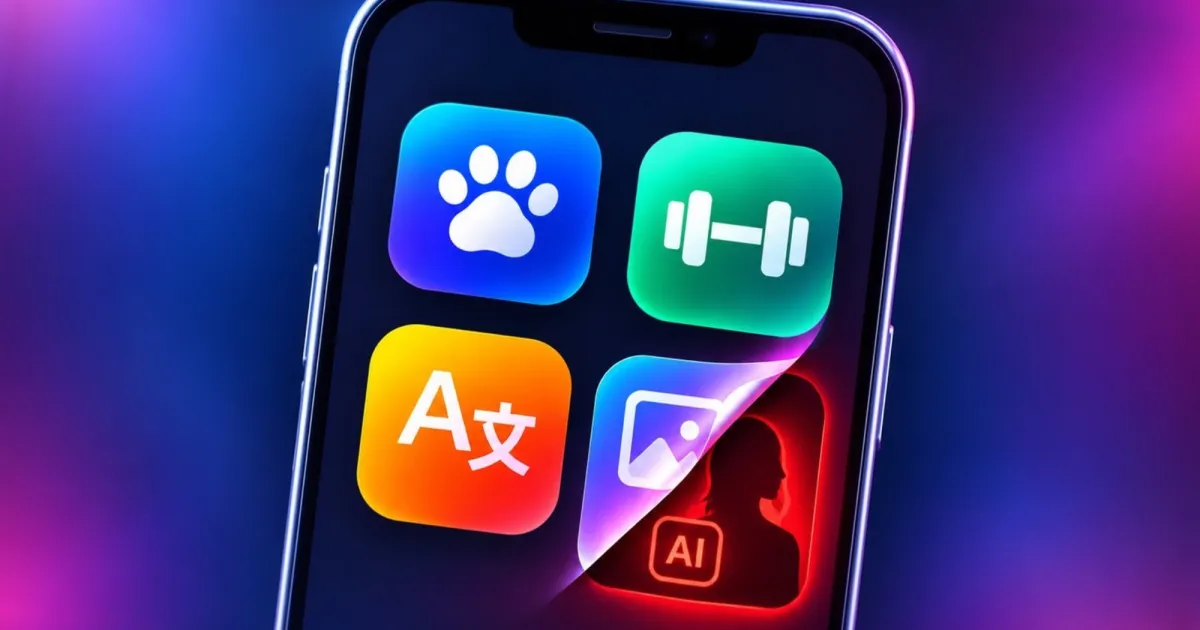
An AI pet portrait maker or workout app that looks harmless could hide nudifying tools. According to a Wired investigation, hundreds of apps were found in Google’s Play Store and Apple’s App Store masquerading as pet photo editors, language tutors, workout coaches and other everyday apps.
Under the right conditions, the ordinary-looking apps quietly switched to a hidden interface that generated sexually abusive deepfakes. Researchers from AI Forensics discovered the network, which contained 400+ connected apps and domains.
How did ordinary AI apps hide their deepfake generators?
These apps used a sneaky server-side trick to keep the nudifying features hidden. When someone installs the app, it pings a remote server with details like their location, language, device identifier and how they found it. The server then decides whether to show them the harmless version or the hidden web interface.
The hidden layer offers dozens of explicit deepfake templates, letting users upload real photos and place them in explicit scenes, including those with threats and violence. Researchers say that certain triggers can also reveal the hidden interface. For example, installing an app after clicking on an ad on Facebook or Instagram.
Users can buy digital currency to generate sexual deepfakes, and the network is reportedly spread by deceptive ads on Meta’s platforms, sometimes using fake business names and accounts with zero followers. The investigation found that some apps even accepted payments via Apple Pay and Google Pay. Their harmless-looking performances in all age reviews had no warning for unsuspecting users.
Who is behind these apps?
Wired traced much of the network to Chinese developers and a Hong Kong entity called KeLing Technology Limited, which scrubbed its online presence after being contacted. One popular app had over 100,000 downloads before Google pulled it, and Apple removed 19 more after learning about the scheme, including the animal portrait app Viefur.

Apple said the apps complied with its rules during the review, but the developers later changed their behavior. Recently, the App Store also updated its rules against nudifying and bait-and-switch apps. Meta says it banned KeLing from advertising in 2025 and has since taken action against 11,600 ad accounts, 5,200 users, and blocked 209 apps linked to the scheme.
The EU’s ban on nudifier apps comes into force in just one month. But similar ads kept popping up even after WIRED completed its investigation, showing how relentlessly these AI deepfake operators find ways to push their apps.
RELATED COVERAGE: