I’ve lost count of how many times I’ve gone to bed thinking I’ll finally fall asleep on time, only to somehow end up scrolling through Instagram or X again. A few minutes turn into an hour, then another, and before I know it, it’s 2 or 3 o’clock. The next morning I’m mostly annoyed with myself because I should have just slept and felt much better for the day before.
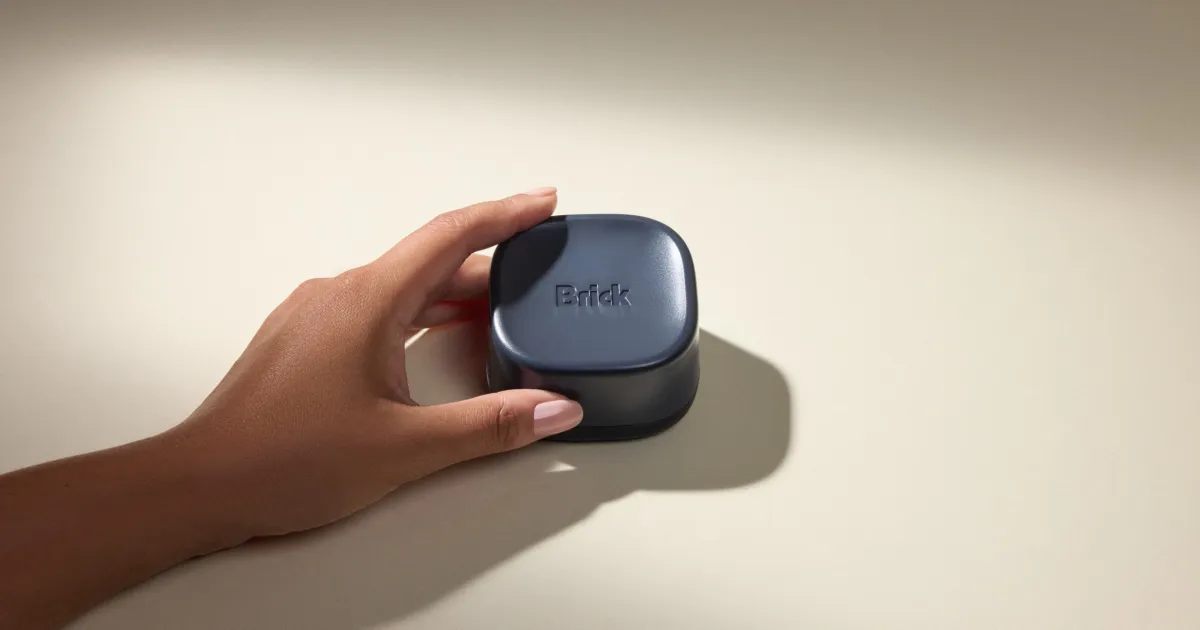
It’s also a surprisingly hard habit to kick. Knowing that you should put the phone down doesn’t always help when it’s already in your hand. Brick Night is a new gadget built around that exact problem. Instead of relying on you to remember to turn on an app blocker, it automatically restricts selected apps and websites when your phone is in your chosen bedroom during the hours you set.
It takes the decision out of your hands
Brick Night uses Bluetooth signal strength to train when your phone is nearby. During configuration, you can define a zone as large as 25 x 25 feet, which can even extend through walls, so it does not literally recognize the boundaries of a bedroom. If your phone enters that zone during the scheduled window, your selected restrictions will automatically enter.
There’s also a little more friction involved than dismissing another Screen Time warning. During the active window, the only way to regain access to a blocked app is to physically leave the designated zone. The restrictions are also lifted automatically when the scheduled period is over. Multiple people can use the same Brick Night while maintaining their own schedules, zones, and blocked apps. The device runs on batteries and does not require Wi-Fi or a charging station.
The problem is whether you need a $129 gadget for it
Brick Night costs $129, however, and Brick already sells a $59 device that can block apps on demand or on a schedule. The extra money here mainly buys the location-based part, which makes the restriction happen automatically when you are in the room.
For someone who exceeds the software limits or forgets to turn it on in the first place, making the restriction dependent on leaving the physical space is an interesting idea. Whether the extra friction is worth $129 is another question.