Quick summary
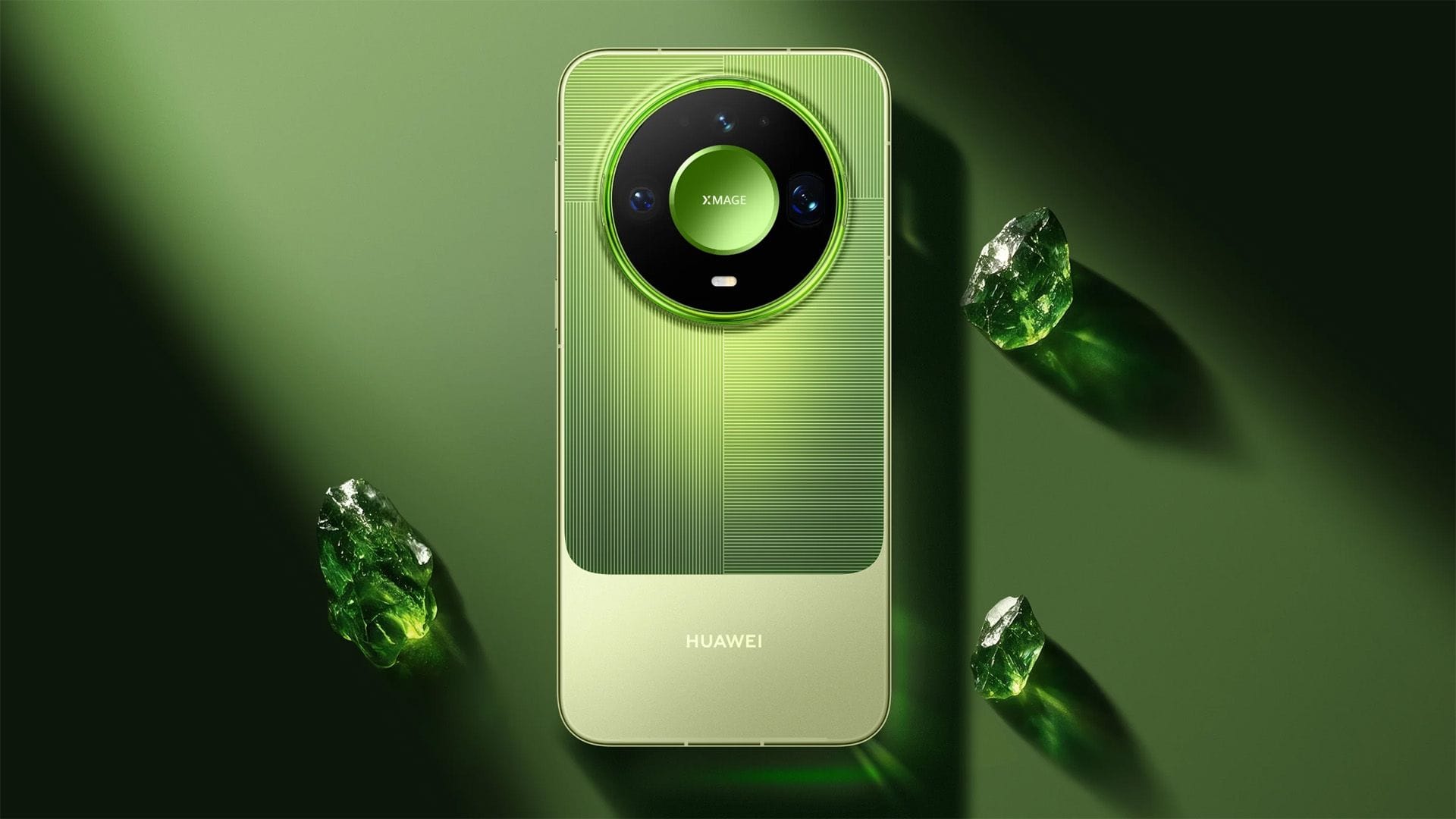
Huawei has announced its latest flagship phone, but more interesting than the device itself is the camera accessory that is available for it.
The Z10’s modular lens has a 1-inch sensor and a 24-240mm zoom lens that mounts to the back of the phone to provide a setup more like a bridge camera.
Huawei has announced a new smartphone, the Mate 90 Pro Max, which offers a complete camera unit as an accessory.
There has been a recent trend to offer companion lenses for smartphones, with the likes of Oppo and Vivo selling pocketable zoom lenses to convert the camera on the back of the phone.
However, Huawei went a step further, basically selling an entire camera, where the smartphone becomes the display and controls. It’s called the Z10 and it’s a lot like the Sony Cyber-Shot QX lens cameras from a decade ago.
Starting with the phone, the Mate 90 Pro Max is a flagship-level device that runs on the home-made Kirin 9050 Pro chip, with a 6.9-inch display, 6,800mAh battery and an IP69 rating – so far, such a smartphone.
The cameras are comprehensive with a 50-megapixel main, 40-megapixel ultrawide and a 200-megapixel telephoto with 4x optical zoom. Again, this is pretty typical flagship level stuff.
Then we come to the Z10, which is an accessory that attaches to the back of the phone, covers its native camera and offers its own lens and sensor setup. Unlike recent solutions from rivals, it’s not about converting the phone’s camera, it’s about hijacking the phone’s screen and power to run the camera accessory.
(Image credit: Huawei)
The Z10 camera itself has a true zoom lens that runs from 24mm wide to 240mm telephoto (that’s 10x), while feeding a 50-megapixel stacked CMOS RYYB 1-inch sensor. That means it has a much better spread of glass than a typical smartphone, even one with a teleconverter lens flipped on the back.
It offers an aperture of f/2.0-f/4.5, weighs 346g and accepts 70mm filters.
The Z10 connects to the Mate 90 Pro Max with the HyperClick mount, which seems to just twist and lock into place, for a seamless experience.

(Image credit: Huawei)
What we don’t know is how the rest will unfold. Previously, the Sony QX system was slammed because it relied on a Wi-Fi connection between the lens and camera, which was terribly slow, the controls were poor, and it just wasn’t worth the effort to get a photo out.
Things have changed a lot and it is possible that Huawei offers a much better experience. However, the question arises why, if this solution is relatively bulky, you would choose to use your phone with an accessory, instead of just buying a camera?
However, with Huawei’s regional restrictions, this is only possible in China, with the phone costing around $1,400 and the camera around $900.