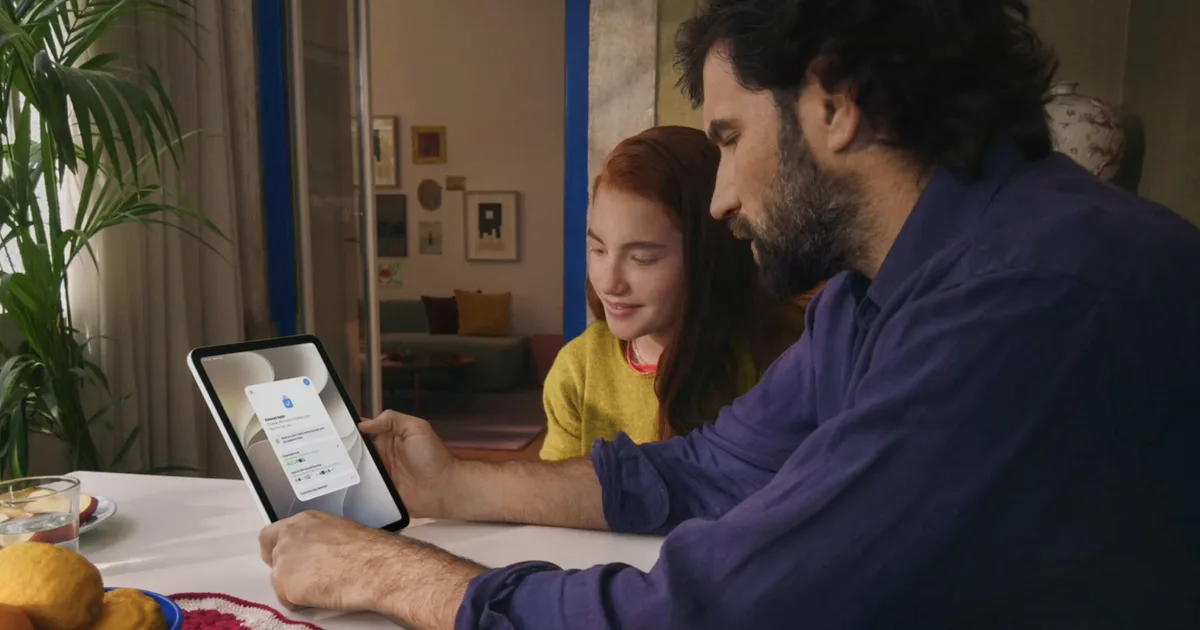
I’ve seen enough tweens and their phones disappear minutes after their parents handed them over, and I can’t help but wonder what it’s doing to them. A new study just gave a disturbing answer.
A new study claims that 12-year-olds who own a smartphone are 49% more likely to develop eating disorder symptoms within two years (via JAMA Network Open).
How big is the risk?
The researchers drew on data from the ABCD study, a national survey of nearly 9,000 US teens, to arrive at the 49% figure, which reflects a higher relative risk of developing eating disorder symptoms.
Binge-eating risk specifically jumped 67%. The study also found a 50% higher risk of inappropriate compensatory behaviors to prevent weight gain, such as extreme dieting, purging or excessive exercise, at age 14. The children were more than twice as likely to link self-worth to their body weight.
By age 14, nearly 1 in 4 children who had a phone at 12 reported at least one eating disorder symptom, versus 15.5% of those who didn’t. Importantly, this study did not say that smartphones cause children to gain weight. Weight-related findings focus on eating behavior, weight concerns, and self-esteem related to weight.
The likely reason, according to lead author Jason Nagata of UCSF, is exposure. A smartphone puts a constant stream of curated, filtered, appearance-focused content into kids’ pockets. Even early teens are when body image and peer comparison are more important than they really are.
What should parents do?
Above all, parents lose visibility into what their child sees.
The results held even after the researchers controlled for external factors, including but not limited to income, parental education, race, body weight, puberty stage, and existing depression or ADHD. So, in all fairness, this isn’t just another risk factor doing the job here.
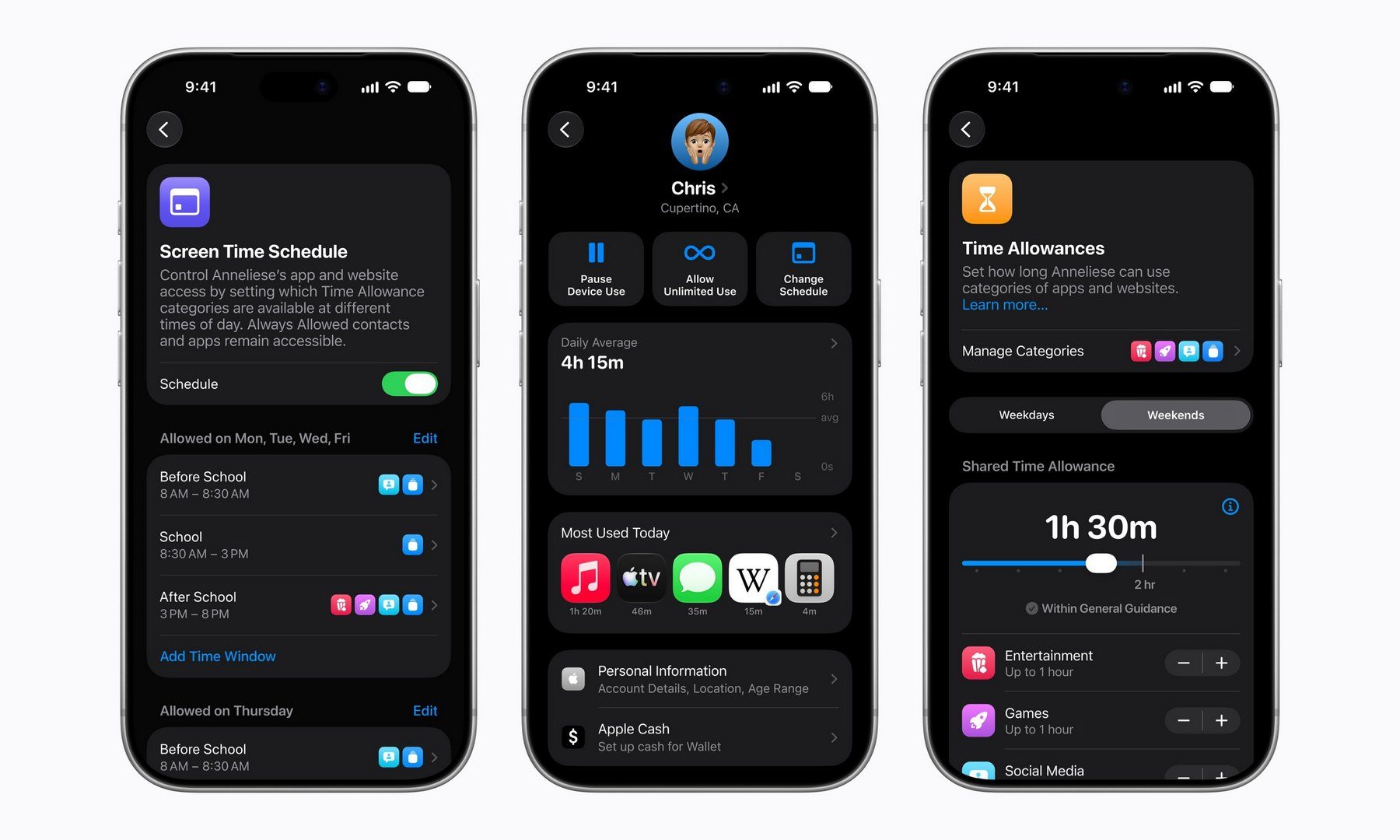
To save children from the risk of early comparative anxiety, parents should stop giving their children a phone, especially in the early teens. Perhaps a tablet with limited access could be a better alternative, especially for educational purposes.
Almost all operating systems now come with strict parental control features; You can also install third party apps for the same. You can limit access to certain apps, adult content or even block directly at the ISP level. If you have to hand over a smartphone to your child for whatever reason, it is no longer an exaggeration.