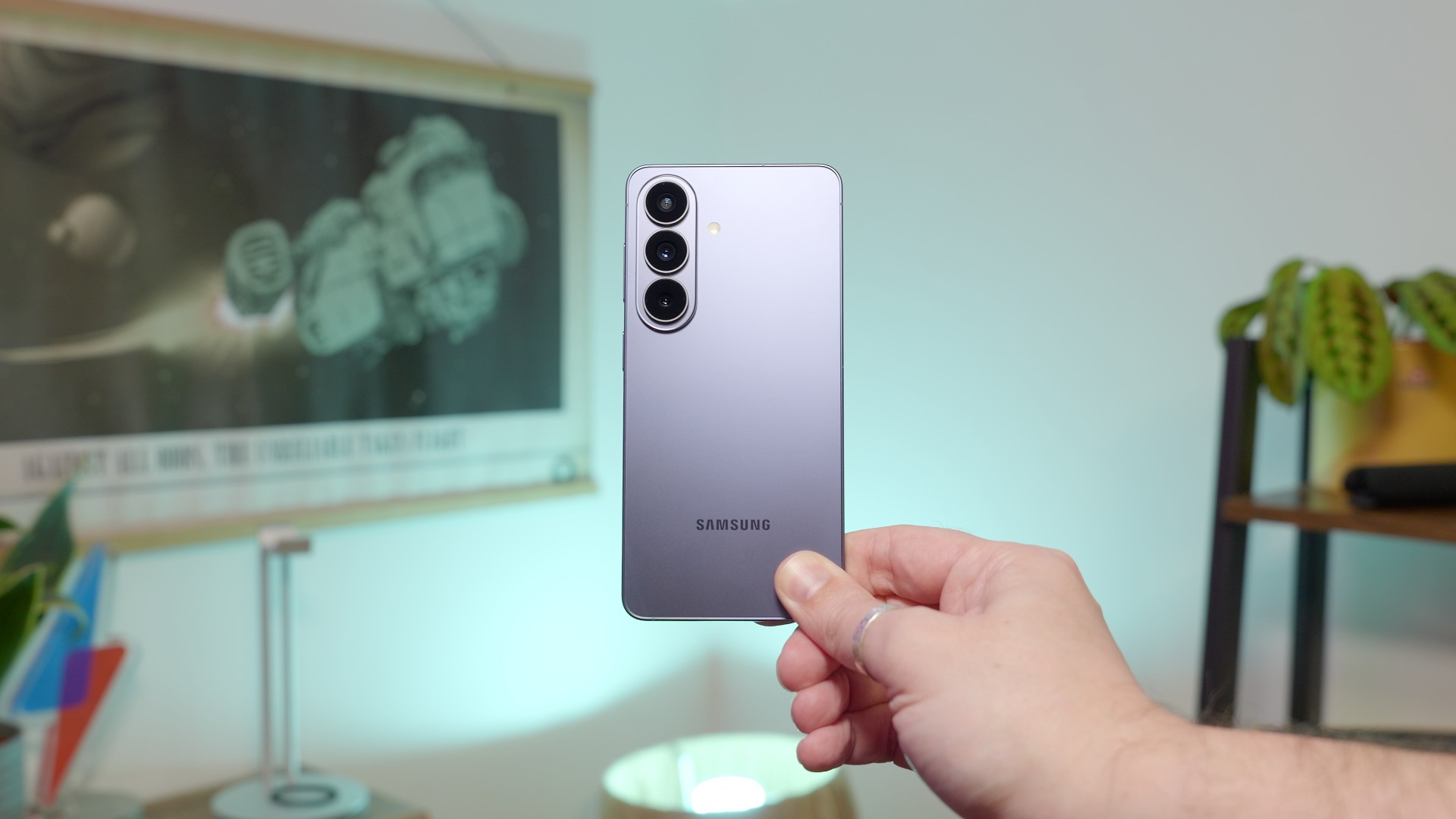
Samsung has increased the price of its entire Galaxy S26 lineup in the US and South Korea, with each model now costing at least $100 more. The 1TB Galaxy S26 Ultra took an even bigger hit, with an increase of $200.
The price changes come as the global shortage of memory components continues to affect the tech industry. Samsung reportedly prepared to raise prices, and the new prices are now reflected on its US website.
The Galaxy S26 with 256GB now starts at $999.99, up from $899.99. Meanwhile, the 512GB version has gone up from $1,099.99 to $1,199.99. The Galaxy S26 Plus follows the same pattern. It moves from $1,099.99 to $1,199.99 for 256GB and from $1,299.99 to $1,399.99 for 512GB.
The Galaxy S26 Ultra also gets a $100 increase on its 256GB and 512GB versions. This takes them to $1,399.99 and $1,599.99 respectively. The 16GB / 1TB model sees the biggest jump. It goes from $1,799.99 to $1,999.99.
Samsung has made similar changes in South Korea. Yonhap News reports that the 256GB Galaxy S26 went from 1,254,000 won to 1,403,600 won. The 256GB S26 Plus and Ultra are now 1,601,600 won and 1,947,000 won, respectively. The 1TB Ultra is up by 270,000 won to 2,821,500 won.
The price increase has already sparked a lot of suspicion among Galaxy fans on Reddit. One user summed up the reaction to the Ultra’s new price simply: “2k for 1TB you’re right. That’s INSANE.” Another pointed out that the 512GB Galaxy S26 now costs $1,200, calling this figure even more concerning.
While some users have already been looking ahead to Samsung’s next flagship, they are wondering if the higher prices can carry over to the Galaxy S27 and if increased trade-in values for the S26 can make up some of the difference.
There is a small catch: some Amazon listings still show the original prices. However, Samsung’s own US store has already been updated. Therefore, the low prices cannot remain.
The increases also follow Apple’s recent decision to raise prices on existing iPhones. This includes its iPhone 18 Pro series, as memory costs continue to put pressure on the smartphone market.